Discover Jean-Antoine Watteau (1684-1721), the French Rococo master! Explore his idyllic 'fêtes galantes,' theatrical scenes, & influence on 18th-century art. View masterpieces like 'The Country Dance' & learn about his legacy.
Discover Flemish brilliance & local heritage at the Musée des Beaux-Arts de Valenciennes! Explore masterpieces by Rubens, Watteau, and Carpeaux in a historic setting.
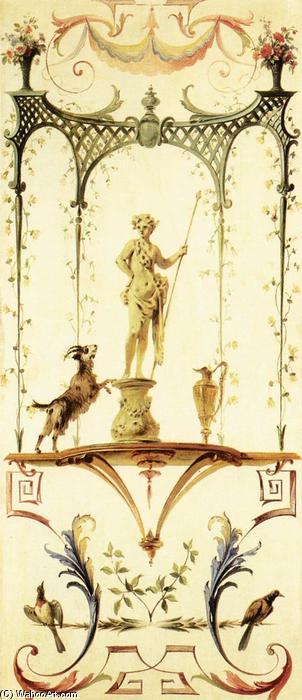
A Delicate Dance of Myth and Leisure: Jean-Antoine Watteau’s Faun
Jean-Antoine Watteau (1684 – 1721), a figure whose name now echoes through the halls of Rococo art history, wasn't merely a painter; he was an architect of atmosphere. Born in Valenciennes, France, his early life instilled within him a profound appreciation for observation—a fascination with the everyday that would blossom into the exquisitely stylized worlds he created on canvas.
- Subject Matter: Watteau’s “Faun” depicts a pastoral scene brimming with idealized beauty. At its core is a gentleman, subtly imbued with mythological allusion – the faun himself – engaged in the quiet pursuit of fishing alongside two loyal dogs. Scattered throughout the composition are birds—a robin perched delicately on a branch and another fluttering near the table—adding layers of visual richness and hinting at themes of freedom and springtime.
- Style & Technique: The painting exemplifies the Rococo style, characterized by its graceful curves, pastel hues, and emphasis on illusionistic space. Watteau’s masterful brushwork achieves a remarkable level of subtlety, creating an ethereal quality that captures the fleeting beauty of a summer fête. He employs glazing techniques—thin layers of translucent paint applied over underlying colors—to build up luminous surfaces and evoke a sense of shimmering light.
- Historical Context: Watteau emerged during a pivotal moment in European art history – the waning years of the Baroque and the ascendance of Rococo. Unlike its predecessor, which favored grandeur and dramatic narrative, Rococo prioritized elegance, intimacy, and refined pleasure. Watteau’s canvases served as visual declarations of this new aesthetic, reflecting the tastes of aristocratic patrons who sought escape from formality and embraced scenes of idyllic leisure.
- Symbolism: The faun figure itself carries significant symbolic weight, representing fertility, pastoral innocence, and connection to pagan mythology. Fishing symbolizes contemplation and a return to nature—a deliberate contrast with the rigid conventions of courtly life. The birds represent hope, renewal, and the ephemeral beauty of existence – concepts central to Rococo’s philosophical outlook.
- Emotional Impact: Watteau's "Faun" transcends mere representation; it aims to evoke a feeling of serene contentment. The soft colors, flowing lines, and carefully orchestrated composition invite viewers into a world of tranquil beauty—a realm where social obligations recede before the allure of natural splendor. It’s a painting that speaks to our yearning for simplicity and grace, capturing the essence of Rococo's humanist spirit.
A reproduction of Watteau’s “Faun” offers an opportunity to bring this captivating vision into your home—a testament to artistic genius and a celebration of timeless elegance. Explore our curated collection today!