Explore the neoclassical world of Jean-Auguste-Dominique Ingres (1780-1867). Discover his iconic portraits, historical paintings & lasting influence on art history at ArtsDot!
Explore the Louvre Museum in Paris! Home to iconic masterpieces like the Mona Lisa & Venus de Milo, journey through art history from ancient Egypt to Renaissance icons. Plan your visit today!
A Portrait Steeped in Classical Grace: Exploring Ingres’s Charles-Joseph-Laurent Cordier
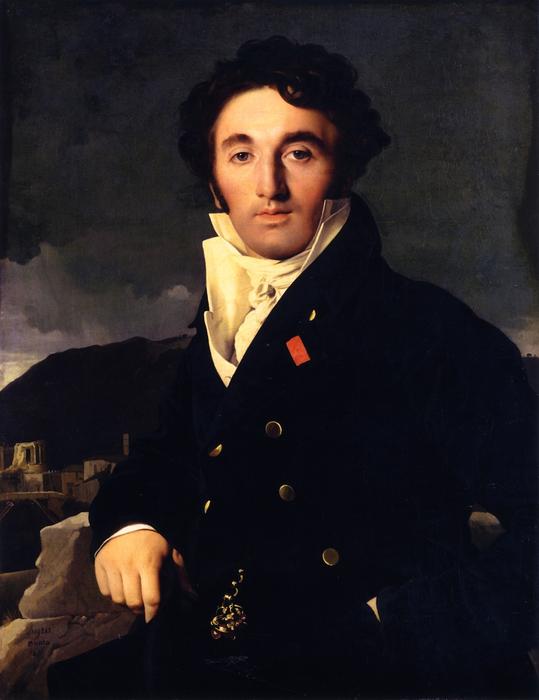
Jean-Auguste-Dominique Ingres's *Charles-Joseph-Laurent Cordier*, completed in 1811, stands as a cornerstone of Neoclassical art—a testament to meticulous observation and an unwavering devotion to idealized form. Housed within the Louvre Museum’s halls, this oil on canvas painting transcends mere representation; it embodies Ingres's profound engagement with artistic tradition while simultaneously foreshadowing the stylistic currents that would reshape European art in subsequent decades.
The Artist’s Vision: Bridging Tradition and Innovation
Ingres firmly believed in upholding academic orthodoxy against the burgeoning Romantic movement, prioritizing clarity and precision over emotional excess. Unlike his contemporaries who sought to capture fleeting sensations and dramatic narratives, Ingres meticulously crafted images rooted in Greco-Roman ideals—a deliberate rejection of the turbulent individualism championed by artists like Turner and Delacroix. Yet, this adherence to established conventions wasn’t simply a matter of conservatism; it was fueled by an innate understanding of how form could convey emotion and intellect. As Henri Matisse famously remarked, Ingres served as “a precursor” to modern art, recognizing his subtle distortions of perspective and space as crucial steps toward liberating artistic expression.
Composition and Technique: Mastery of Line and Light
The painting’s composition is strikingly balanced—centered on Cordier himself, positioned in a three-quarter pose that exudes dignified composure. Ingres's masterful technique exemplifies the Neoclassical ideal: smooth blending of oil paints creates an illusion of polished perfection, highlighting subtle gradations of tone and emphasizing the contours of Cordier’s figure. Clean, precise lines define his clothing—the jacket, collar, and cuffs—creating a sense of structural order that reflects Ingres's broader artistic philosophy. The muted landscape backdrop serves as a counterpoint to Cordier’s presence, subtly directing the viewer’s gaze and reinforcing the painting’s formal elegance. Light is diffused from an unseen source, illuminating Cordier’s face with gentle warmth while casting shadows across the distant hills—a deliberate choice that enhances depth and contributes to the overall atmosphere of restraint.
Symbolism and Emotional Resonance: An Image of Status and Dignity
Beyond its technical brilliance, *Charles-Joseph-Laurent Cordier* resonates with symbolic significance. Cordier’s attire—the black suit adorned with a white collar and red ribbon—represents wealth and social standing, reflecting the aristocratic sensibilities prevalent in early 19th-century France. His gaze is direct yet measured, conveying confidence without arrogance—a characteristic Ingres consistently sought to portray in his portraits. The subdued palette—dominated by dark hues accented by touches of white and red—underscores Cordier’s inner serenity and reinforces the painting's overarching theme of dignified composure.
A Legacy Enduring Through Reproduction
Today, *Charles-Joseph-Laurent Cordier* continues to inspire admiration for its timeless beauty and technical virtuosity. Its meticulous detail and harmonious composition offer a captivating glimpse into Ingres’s artistic vision—a vision that anticipates the stylistic innovations of the coming century. Explore a stunning hand-painted reproduction at ArtsDot.com and immerse yourself in the grandeur of Neoclassical art.