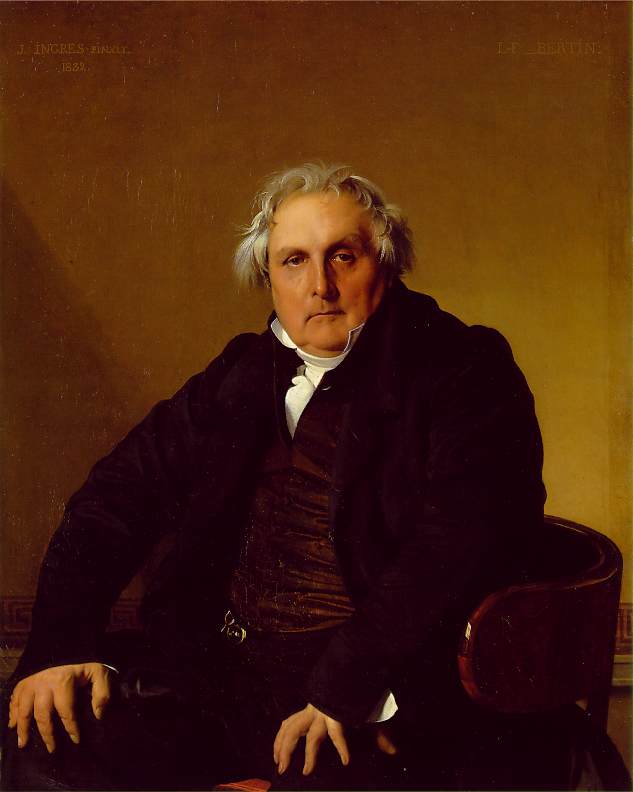
The
Louis Francois Bertin portrait, created in 1833 by the renowned French artist
Jean Auguste Dominique Ingres, is a masterpiece of Neoclassical art. This painting is a testament to Ingres' skill and mastery of his craft, showcasing his ability to capture the essence and character of his subjects. The portrait is now housed in the
Musée du Louvre in Paris, where it remains one of the museum's most prized possessions.
The Story Behind the Portrait
Louis Francois Bertin was a French writer, art collector, and director of the pro-royalist
Journal des débats. Ingres' portrait of Bertin is not only a stunning representation of the man but also a reflection of the social and political climate of the time. The painting is characterized by its realism, attention to detail, and psychological insight into the subject's personality.
Key Features of the Painting The portrait of
Louis Francois Bertin is notable for its:
- Realistic depiction of the subject's physical appearance, including his aging features and imposing presence
- Use of chiaroscuro, a technique that utilizes strong contrasts between light and dark to create a sense of depth and volume
- Intricate details, such as the polish on the chair and the texture of Bertin's clothing
Artistic Significance and Legacy
The
Louis Francois Bertin portrait is widely regarded as one of Ingres' finest works and a landmark of Neoclassical art. It has influenced numerous artists, including
Jean Auguste Dominique Ingres himself, who continued to explore the possibilities of portraiture throughout his career. For more information on Ingres and his works, visit
ArtsDot.com or consult the
Wikipedia page on Portrait of Monsieur Bertin.
The
Louis Francois Bertin portrait is a must-see for art enthusiasts and historians alike, offering a glimpse into the world of 19th-century France and the artistic genius of
Jean Auguste Dominique Ingres. As a masterpiece of Neoclassical art, it continues to inspire and fascinate audiences to this day.