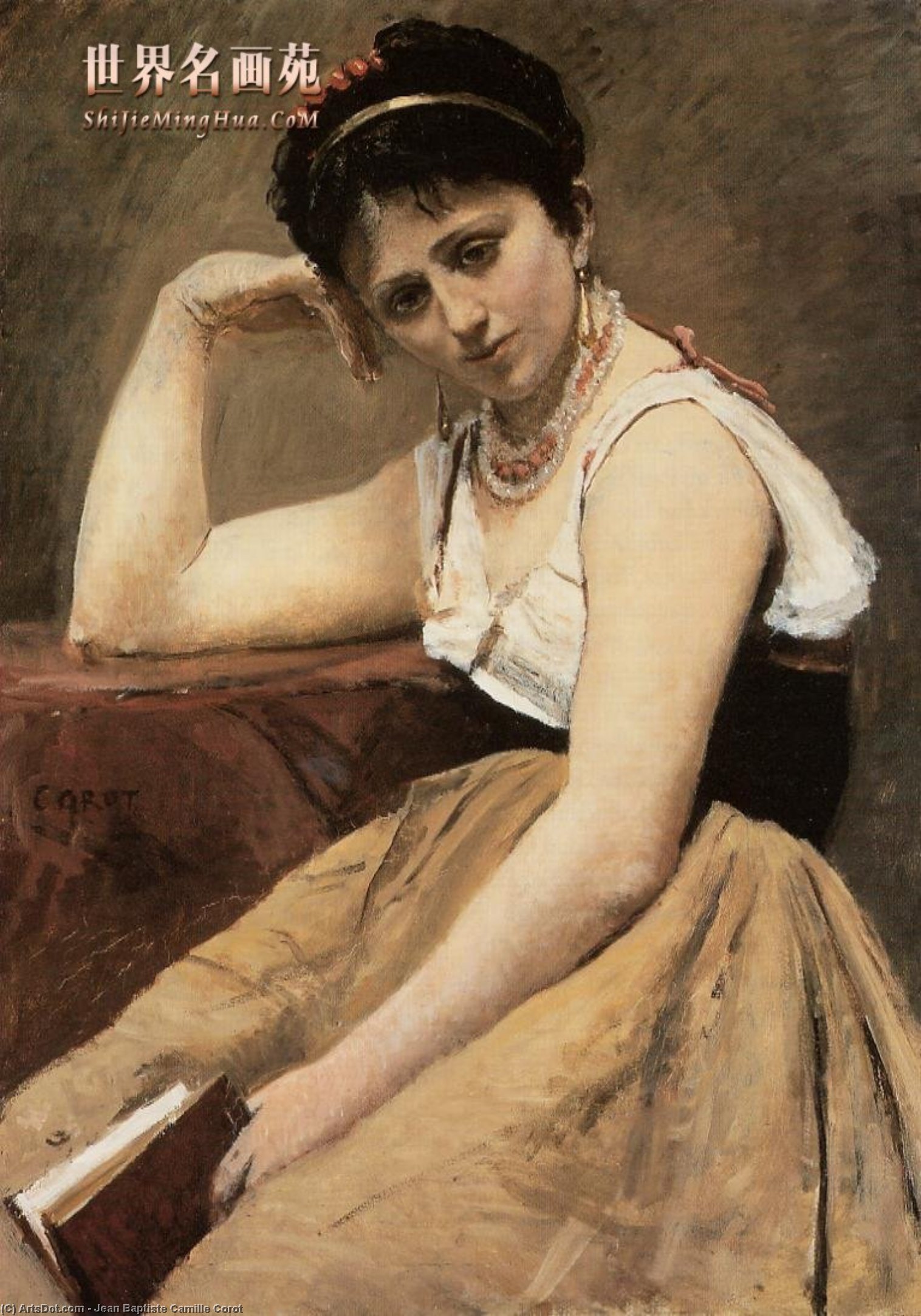
Jean Baptiste Camille Corot: A Poet of Light and Landscape
Jean-Baptiste-Camille Corot (1796–1875) stands as one of the most influential figures in French Romantic landscape painting, bridging the gap between the Barbizon School’s earthy realism and the burgeoning Impressionist movement. His canvases capture not merely what he saw but how he felt—a profound reverence for nature imbued with a melancholic beauty that continues to resonate with audiences today.
Subject Matter: The Quiet Dignity of Rural Life
Corot's paintings frequently depict serene rural scenes: rolling hills dotted with trees, quiet villages nestled amongst meadows, and glimpses of misty lakes reflecting the sky. He eschewed grand narratives or dramatic events, preferring instead to focus on capturing the subtle nuances of everyday life—the way sunlight filters through leaves, the gentle curve of a riverbank, the solitary figure contemplating the vastness of the landscape.
Style: Barbizon Romanticism – A Synthesis of Observation and Emotion
Corot’s style embodies the Barbizon School's core principles: meticulous observation combined with expressive brushwork. Unlike his contemporaries who sought to recreate photographic realism, Corot prioritized conveying mood and atmosphere above precise detail. He employed loose, textured brushstrokes—often blending colors directly onto the canvas—to achieve a hazy luminescence that evokes the feeling of twilight or dawn.
Technique: Mastering Light and Color
Corot’s mastery lay in his ability to render light with unparalleled sensitivity. He meticulously studied how sunlight interacted with surfaces, capturing its diffuse glow and subtle variations in hue. His palette consisted primarily of muted earth tones—ochres, siennas, umbers—which he layered upon one another to create depth and luminosity. This technique allowed him to transform ordinary landscapes into canvases brimming with emotion.
Historical Context: The Rise of Romantic Idealism
Corot’s artistic vision emerged during a period of significant intellectual upheaval in France – the Romantic era. Influenced by philosophers like Rousseau and Goethe, Romantic artists rejected Enlightenment rationalism in favor of intuition, imagination, and emotional experience. Corot's landscapes reflected this ethos, celebrating the sublime beauty of nature as a source of spiritual inspiration and solace.
Symbolism: Echoes of Tradition and Transcendence
Despite his rejection of grand narratives, Corot’s paintings are rich in symbolic meaning. Recurring motifs—such as solitary trees, misty hillsides, and distant mountains—represent themes of solitude, contemplation, and the enduring power of nature. These images invite viewers to contemplate the mysteries of existence and to find beauty in simplicity.
Emotional Impact: A Balm for the Soul
Ultimately, Corot’s landscapes aspire to evoke a profound emotional response in the viewer—a feeling of tranquility, wonder, and connection with the natural world. His paintings offer a refuge from the anxieties of urban life, inviting us to immerse ourselves in the stillness and grandeur of unspoiled wilderness.