A Portrait of Rural Resilience: Millet’s “Gleaner Returning Home”
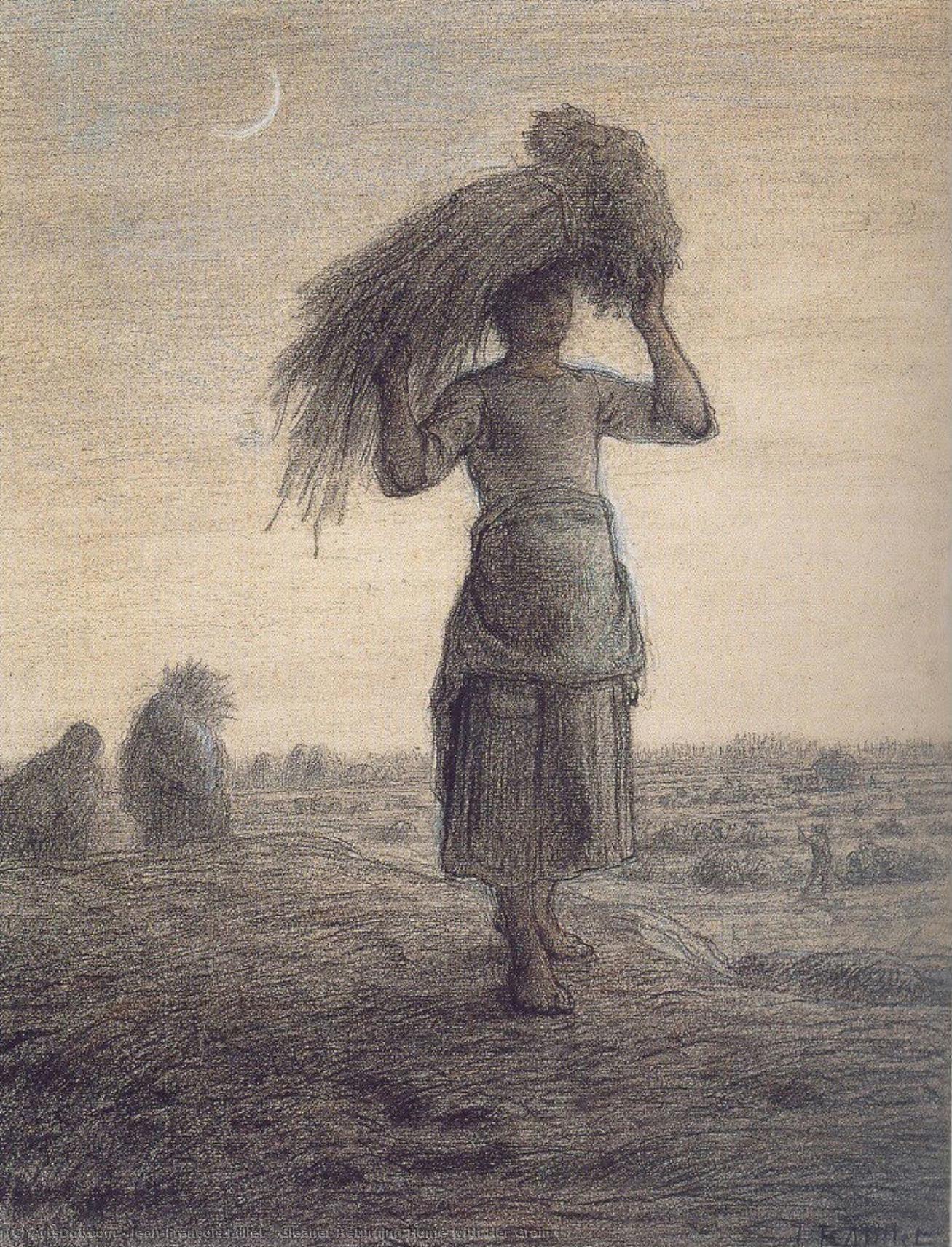
Jean-François Millet's "Gleaner Returning Home with Her Grain" isn’t merely a depiction of agricultural labor; it’s a profound meditation on the dignity inherent in honest toil and the enduring spirit of the peasantry—a cornerstone of Realist art that continues to captivate audiences today. Painted around 1857, this unassuming canvas transcends its simple subject matter through Millet's masterful observation and unwavering commitment to portraying life as it truly is. The scene unfolds against a muted Norman landscape bathed in the golden light of late afternoon, immediately establishing a connection with the natural world that defines Millet’s artistic ethos.
- Subject Matter: At its core, the painting captures a moment of quiet perseverance—a woman returning from the fields carrying a basket laden with harvested grain. This isn't idealized beauty; it’s the palpable physicality of rural existence, rendered with unflinching detail.
- Style & Technique: Millet’s approach aligns perfectly with the tenets of Realism, rejecting Romantic sentimentality for an uncompromising focus on observable reality. He employs a technique characterized by thick impasto—heavy application of paint—creating textured surfaces that convey the roughness of the earth and the weariness of labor. The artist meticulously captures the contours of the woman’s body, emphasizing her strength and resilience.
The painting's historical context is crucial to understanding its significance. France in the mid-19th century was undergoing significant social upheaval—industrialization was transforming urban life while simultaneously displacing rural populations. Millet responded to this shift by turning his gaze inward, documenting the lives of ordinary people—farmers and laborers—who often remained invisible to mainstream artistic discourse. This deliberate choice wasn’t simply aesthetic; it was a statement of moral conviction, reflecting Millet's belief in the importance of portraying humanity with compassion and respect.
- Symbolism: Beyond its depiction of daily life, “Gleaner Returning Home” carries symbolic weight. The woman embodies perseverance and dignity—a testament to the unwavering spirit of those who sustain the nation’s agricultural backbone. The basket of grain represents sustenance and labor's reward, grounding the scene in a tangible connection to the land.
- Emotional Impact: Millet achieves an extraordinary feat: he evokes profound emotion without resorting to melodrama. The painting’s muted palette—dominated by earthy tones—creates a sense of solemn beauty, inviting contemplation on themes of hardship endured with grace and fortitude. It speaks to a universal human experience – the quiet dignity of labor and the enduring connection between humanity and nature.
“Gleaner Returning Home” remains an enduring emblem of Realist art’s commitment to portraying truthfulness and empathy. Its textured surface, luminous light, and understated composition continue to inspire artists and collectors alike. A reproduction offers a remarkable opportunity to experience the painting's emotional resonance firsthand—a window into Millet’s vision of rural France and a celebration of human resilience in the face of adversity.