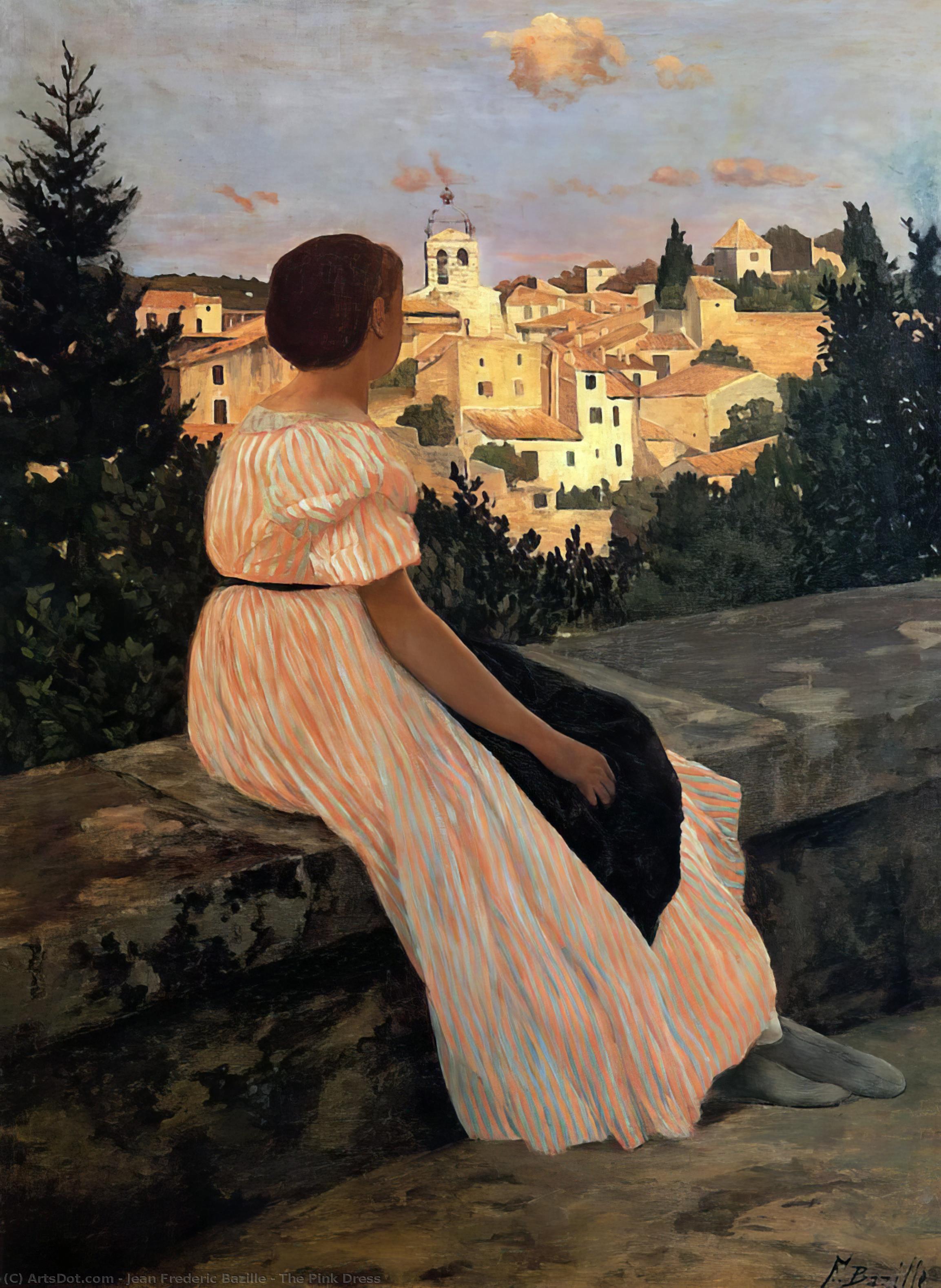
Explore Frédéric Bazille's masterpiece 'La Robe rose,' capturing Marilyn Monroe's iconic pink dress and embodying Impressionist elegance. Discover details about the artist, painting history & more!
Discover Jean Frédéric Bazille (1841-1870), a key figure of Impressionism. Explore his vibrant landscapes, portraits & close ties to Monet, Renoir & Sisley. Find high-quality reproductions now!
Discover the Musée d'Orsay in Paris! Housed in a stunning former railway station, explore an unparalleled collection of Impressionist & Post-Impressionist masterpieces by Monet, Van Gogh & more.
The Enigmatic Pink Dress of Marilyn Monroe
Marilyn Monroe’s “Pink Dress,” designed by William Travilla for Howard Hawks’ 1953 film *Gentlemen Prefer Blondes*, transcends mere costume; it embodies an enduring symbol of glamour, ambition, and the seductive allure of Hollywood. The dress itself—a shocking pink silk satin gown adorned with black satin lining and a large bow—represents more than just fabric and embellishments; it encapsulates a pivotal moment in cinematic history and continues to fascinate audiences today.
- Design & Construction: Travilla meticulously crafted the gown, prioritizing movement and elegance. Recognizing the challenges posed by filming choreography, he cleverly incorporated a slit at the back of the dress to allow for fluid motion during Monroe’s iconic performance of “Diamonds Are a Girl’s Best Friend.” The bow—a substantial element of the design—served as both decorative flourish and structural support.
- Material & Technique: Silk satin, chosen for its luxurious sheen and drape, was skillfully pleated to create volume and enhance visual impact. Travilla utilized meticulous hand sewing techniques to attach embellishments like sequins and rhinestones, ensuring precision and durability. The dress’s construction demanded considerable artistry and attention to detail.
A Reflection of Hollywood Glamour
The film *Gentlemen Prefer Blondes* arrived at a time when Marilyn Monroe was establishing herself as an international superstar—a figure synonymous with femininity, sophistication, and unapologetic confidence. The pink dress wasn’t merely a garment; it was a carefully curated visual statement designed to amplify Monroe's charisma and solidify her image as the embodiment of Hollywood glamour.
- Historical Context: Released during the Eisenhower administration, *Gentlemen Prefer Blondes* captured the spirit of postwar America—a period characterized by optimism, consumerism, and a fascination with celebrity culture. The dress’s appearance coincided with growing anxieties surrounding Monroe's sexuality, prompting Travilla to deliberately minimize overt sensuality in its design.
- Symbolism: The shocking pink hue itself carries significant symbolic weight, representing boldness, passion, and defiance of convention. Coupled with the opulent embellishments—diamonds and sequins—the dress symbolizes wealth, desirability, and the pursuit of unattainable dreams.
Enduring Legacy & Artistic Inspiration
The “Pink Dress” has achieved iconic status within popular culture, inspiring countless reproductions and reinterpretations across various artistic mediums. Madonna’s 1985 music video for “Material Girl”—a masterful homage to Monroe—cemented the dress's place in cinematic history as a symbol of female empowerment and rebellious glamour.
- Contemporary Relevance: The dress continues to resonate with designers and artists today, serving as a source of inspiration for fashion collections and visual artworks alike. Its timeless elegance and evocative symbolism demonstrate the enduring power of art to capture cultural moments and convey profound emotional truths.
- Reproductions & Artistic Interpretations: High-quality reproductions of Marilyn Monroe’s “Pink Dress” are available from reputable art dealers and publishers, allowing collectors and enthusiasts to experience the dress's beauty firsthand. Artists have explored diverse interpretations of the garment—from sculptural installations to digital animations—further enriching its cultural significance.
A Masterpiece of Costume Design
William Travilla’s “Pink Dress” stands as a testament to the transformative potential of costume design—a discipline capable of elevating film narratives and shaping perceptions of celebrity culture. Its meticulous craftsmanship, symbolic richness, and enduring legacy solidify its position as one of Hollywood's most unforgettable sartorial achievements.