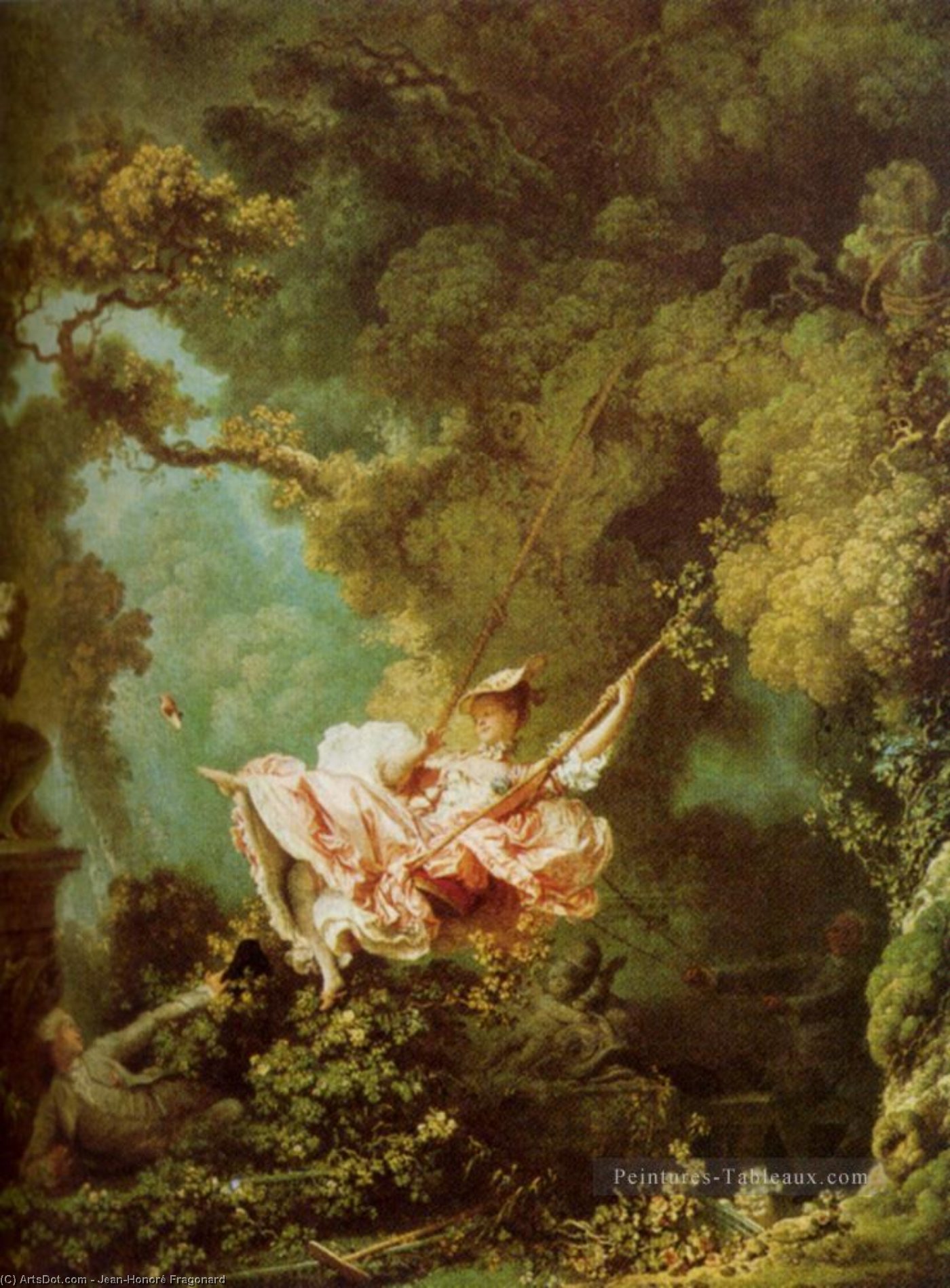
Experience Fragonard’s ‘The Swing,’ a masterpiece of Rococo sensuality! This 1767 oil painting captures aristocratic delight & hidden desires. A timeless classic for art lovers.
Discover Jean-Honoré Fragonard (1732-1806), the master of Rococo! Explore his playful paintings like 'The Swing,' capturing 18th-century elegance & sensuality. A French art icon!
Discover exquisite French art & arms at the Wallace Collection! Explore Rococo masterpieces, Georgian grandeur, and a unique royal townhouse experience – free admission awaits!
A Masterpiece of Rococo Sensuality
Jean-Honoré Fragonard’s 1767 oil painting is arguably *the* defining image of the Rococo era – a captivating scene brimming with playful elegance and veiled desire. More than just a depiction of leisure, this artwork offers a glimpse into the aristocratic world of pre-revolutionary France, where flirtation and indulgence were celebrated. A high-quality reproduction allows you to bring this iconic vision of 18th-century life into your own space.
The Scene Unveiled: Playful Courtship
At its heart, the painting portrays a young woman on a swing, her pale pink gown billowing around her as she playfully kicks off a shoe. This seemingly innocent gesture is charged with meaning; the discarded slipper traditionally symbolized lost innocence or availability. A hidden admirer, partially concealed within lush foliage, gazes upwards, captivated by the scene. Another figure discreetly propels the swing, while a small dog adds a touch of domesticity to this clandestine encounter. The composition isn’t merely observational – it's an invitation into a secret world.
Rococo Style and Painterly Technique
Fragonard masterfully embodies the Rococo aesthetic: characterized by its lightness, grace, and ornate detail. Unlike the more formal Baroque style that preceded it, Rococo favored intimacy and playful themes. His brushwork is loose and fluid, creating a sense of movement and airiness. Layers of delicate color – predominantly pastel pinks, greens, and blues – contribute to the painting’s luminous quality. The soft, diffused lighting enhances the romantic atmosphere, filtering through the dense foliage like a dream.
Historical Context: An Era of Indulgence
Created during the reign of Louis XV, this artwork reflects the aristocratic society's pursuit of pleasure and refinement. However, beneath the surface of idyllic romance lay growing social unrest. The Rococo style, with its emphasis on frivolity, would soon fall out of favor as revolutionary fervor swept across France. This painting stands as a poignant reminder of a bygone era – a moment captured before societal upheaval.
Symbolism and Hidden Meanings
The artwork is rich in symbolism. Beyond the suggestive gesture of the flying shoe, the swing itself represents freedom and perhaps even recklessness. The hidden figures suggest a secret rendezvous, adding an element of intrigue to the scene. Even the classical statue fragment hints at a formal garden now overtaken by nature – a subtle commentary on the fleeting nature of beauty and pleasure.
Emotional Impact & Interior Design
This painting evokes feelings of lightheartedness, romance, and playful sensuality. Its delicate color palette and graceful composition make it an ideal addition to various interior design schemes. It complements both traditional and contemporary spaces, adding a touch of sophistication and artistic flair. A reproduction can serve as a focal point in a living room, bedroom, or study, sparking conversation and inspiring contemplation. The artwork’s inherent elegance lends itself well to feminine-leaning designs but also provides a beautiful contrast within more masculine palettes.