The Captivating Intensity of Liszt Playing the Piano
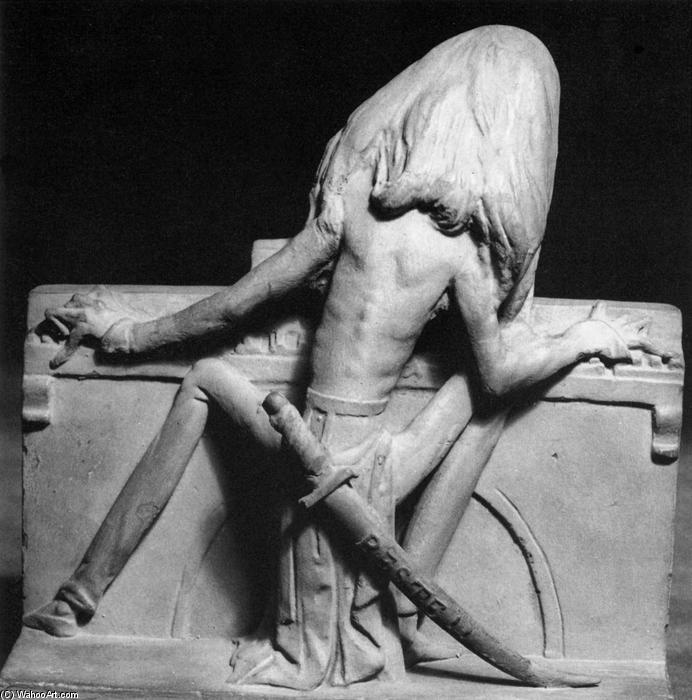
Jean-Pierre Dantan’s “Liszt Playing the Piano,” completed in 1836, is more than just a portrait; it's a visceral embodiment of Romantic fervor and musical genius. This remarkable sculpture, crafted from meticulously carved gypsum, captures Franz Liszt at his most dynamic – a moment frozen in time as he commands the keys with passionate intensity. Dantan, known for his innovative sculptural caricatures and profound ability to imbue his subjects with emotion, here transcends mere representation, offering an intimate glimpse into the soul of one of music’s greatest figures.
The sculpture's power lies in its dramatic chiaroscuro lighting, a technique masterfully employed by Dantan to sculpt volume and depth. The stark contrasts between light and shadow accentuate the musculature of Liszt’s hands, poised over the piano keys, while simultaneously highlighting the furrowed brow and focused expression on his face. This masterful use of light not only reveals the intricate details of the marble – the texture of the fabric of his shirt, the sheen of the polished gypsum – but also draws the viewer's eye directly to Liszt’s captivating presence. The composition itself is carefully balanced, with the figure occupying a central position within a dark, almost theatrical space, further intensifying the sense of drama and immediacy.
A Portrait of Romanticism: Style and Technique
Dantan’s style during this period was characterized by a remarkable ability to capture both the physical likeness and the emotional essence of his subjects. He moved beyond simple imitation, skillfully utilizing techniques borrowed from classical sculpture while injecting a distinctly Romantic sensibility into his work. The pose itself—Liszt's raised hand, a gesture simultaneously of command and invitation—is a hallmark of the era’s emphasis on individualism and expressive emotion. The choice of gypsum as the medium is significant; it allowed Dantan to achieve a remarkable level of detail and texture, mirroring the smooth surfaces of marble while retaining a lighter weight and easier workability.
Furthermore, Dantan's approach was deeply influenced by his artistic circle, which included prominent figures like Honoré Daumier and members of the Parisian intellectual elite. This exposure to diverse perspectives undoubtedly shaped his aesthetic sensibilities, contributing to the sculpture’s sophisticated blend of realism and emotional intensity. The work demonstrates a clear understanding of anatomy and form, combined with an intuitive grasp of how to convey character and mood through gesture and expression.
Symbolism and Historical Context
“Liszt Playing the Piano” is deeply rooted in the artistic and cultural landscape of 1836. The Romantic era was a time of profound social and political upheaval, marked by an intense desire for individual expression and a rejection of classical constraints. Liszt himself embodied these ideals as a revolutionary pianist who challenged established musical conventions with his virtuosic performances and innovative compositions. Dantan’s sculpture captures this spirit of rebellion and artistic innovation perfectly.
The inclusion of the piano is, of course, central to the work's meaning. The instrument represents not just Liszt’s profession but also his creative soul—a conduit for expressing profound emotions through music. The pose itself – with the hand raised as if conducting – suggests a dynamic interplay between the artist and his creation, highlighting the transformative power of art. Moreover, Dantan’s use of caricature-like elements in the sculpture's details subtly references his own artistic practice, blending portraiture with playful commentary.
A Legacy of Passion: Reproduction and Beyond
Reproductions of “Liszt Playing the Piano” offer a remarkable opportunity to bring this captivating artwork into any setting. The meticulous detail captured by Dantan’s original sculpture is faithfully reproduced in high-quality prints, allowing viewers to appreciate its beauty and emotional depth from afar. Whether adorning a grand salon or a more intimate space, this piece serves as a powerful reminder of the enduring legacy of Romanticism and the genius of Franz Liszt.
Consider how the sculpture’s dramatic lighting and dynamic composition can be translated into interior design—creating focal points that command attention and evoke a sense of passion and energy. The work's timeless appeal ensures its continued relevance as a symbol of artistic excellence and human creativity.