Joaquín Sorolla’s Evocative Portrait of Quiet Contemplation
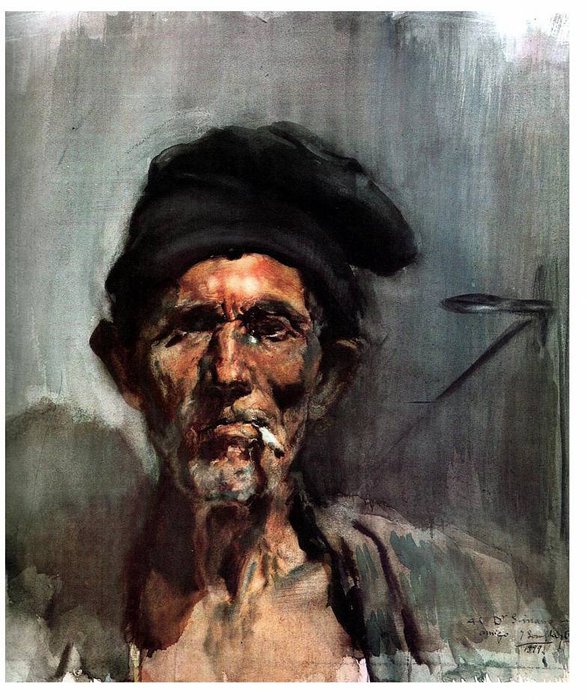
“El viejo del cigarrillo,” painted in 1899 by the Spanish master Joaquín Sorolla y Bastida, is more than just a depiction of an elderly man; it's a masterful distillation of light, atmosphere, and human experience. This evocative work, created during a pivotal period in Sorolla’s career, exemplifies his signature style – characterized by loose brushwork, vibrant color palettes, and an almost palpable sense of warmth. The painting captures a moment of serene contemplation, inviting the viewer to share in the quiet dignity of the subject.
- Subject Matter: The central figure is an older gentleman, meticulously rendered with a focus on his weathered face and the relaxed posture that speaks volumes about years lived.
- Setting: A simple interior backdrop – a wall adorned with a clock and subtly suggesting a domestic space – grounds the scene in reality while simultaneously elevating it to a timeless quality.
- Composition: Sorolla’s masterful use of composition draws the eye directly to the old man's face, emphasizing his expression and creating a powerful focal point. The inclusion of two secondary figures adds depth and narrative complexity without disrupting the overall mood.
A Window into the World of 1899 Spain
Painted in 1899, “El viejo del cigarrillo” reflects the social and artistic currents of late 19th-century Spain. Sorolla was a leading figure in the *luminista* movement, which sought to capture the effects of natural light with unprecedented realism and emotional intensity. This period saw a renewed interest in Spanish history and culture, reflected in the subject matter and stylistic choices of many artists. The painting’s depiction of an everyday scene – a man enjoying his pipe – speaks to the realities of life for many Spaniards at the time, offering a glimpse into their daily routines and social customs.
Technique and Artistic Influence
Sorolla's technique is immediately recognizable: broad, confident brushstrokes create a shimmering effect, particularly noticeable in the play of light on the man’s face and clothing. He employed a broken color technique – applying small strokes of pure pigment side-by-side rather than blending them – to achieve remarkable luminosity and vibrancy. This approach was heavily influenced by his time studying under José Benlliure, who championed a style emphasizing direct observation and capturing fleeting moments of light. The influence of Impressionism is also evident in Sorolla’s treatment of light and color, though he retained a distinctly Spanish sensibility.
Symbolic Resonance and Emotional Impact
Beyond its technical brilliance, “El viejo del cigarrillo” possesses a profound emotional resonance. The old man's expression – one of quiet contentment and perhaps even melancholy – invites viewers to contemplate themes of aging, mortality, and the simple pleasures of life. The presence of the clock adds another layer of symbolism, reminding us of the passage of time and the preciousness of each moment. This painting is a testament to Sorolla’s ability to capture not just appearances but also the essence of human experience, making it a timeless work of art that continues to captivate audiences today.