Explore the life & work of Nobel laureate Juan Ramón Jiménez at the Sala Zenobia y Juan Ramón Jiménez! Discover his archive, rare books, and connection to Puerto Rican culture.
Joaquín Sorolla: A Spanish master of light and color! Witness his vibrant portraits & beach scenes capturing the essence of Mediterranean life. Explore his legacy today!
Delve into Iberian & Latin American artistry at the Hispanic Society Museum & Library! Admire masterpieces by Velázquez, Goya & Sorolla within a magnificent Beaux-Arts building and explore its renowned library.
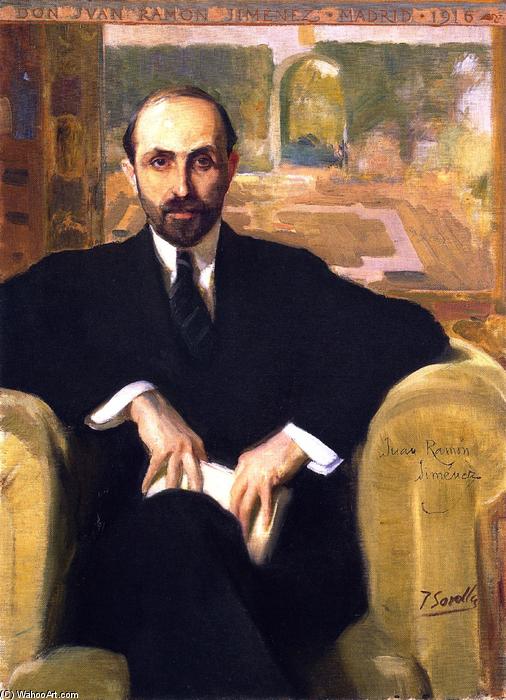
A Portrait Steeped in Reflection: Exploring Joaquín Sorolla’s Juan Ramón Jiménez
Joaquín Sorolla y Bastida's "Juan Ramón Jiménez," completed in 1916, transcends mere representation; it embodies the very essence of Spanish Impressionism and captures a moment of profound contemplation. More than just a depiction of a man seated before a book, this painting is an invitation into Sorolla’s artistic vision—a vision rooted in capturing fleeting light and emotion with unparalleled sensitivity.
The Artist's Vision: Light and Atmosphere
Sorolla, born in Valencia in 1863 amidst the vibrant hues of Mediterranean Spain, established himself as a master of luminosity. Influenced by Impressionists like Monet and Renoir, he eschewed academic conventions, prioritizing observation and capturing the ephemeral qualities of light on surfaces—a technique that would become his signature. He famously stated, “I paint what I see,” reflecting his unwavering commitment to portraying the world as it appears to the eye, rather than imposing preconceived notions upon it. This philosophy is palpably present in "Juan Ramón Jiménez," where Sorolla skillfully utilizes dappled sunlight filtering through foliage to illuminate the subject’s face and clothing—creating a palpable sense of warmth and intimacy.
Subject Matter: A Figure Lost in Thought
The portrait depicts Juan Ramón Jiménez, Spain's Nobel laureate poet, seated comfortably in a chair. Sorolla meticulously rendered Jiménez’s posture – relaxed yet attentive – conveying an aura of quiet contemplation. The man’s hands folded on top of a book serve as a visual anchor, symbolizing intellectual pursuits and the absorption of knowledge. Beyond the literal depiction, Sorolla subtly communicates Jiménez's inner state—a preoccupation with ideas and emotions that transcends mere physical presence. This deliberate choice underscores Sorolla’s belief that art should delve deeper than surface appearances, capturing the intangible spirit of its subject.
Technique: Brushstrokes That Dance With Light
Sorolla employed a distinctive brushstroke technique characterized by loose, flowing lines that blend seamlessly together. He layered thin washes of color onto the canvas, building up tonal variations with rapid strokes—a method that lends the painting an airy quality and imbues it with movement. The artist’s meticulous attention to detail is evident in the subtle nuances of skin tone and drapery folds, yet these details never overshadow the overarching impression of light and atmosphere. Sorolla's masterful handling of pigment allows for a remarkable illusion of depth and texture—drawing viewers into the scene and fostering an emotional connection with the subject.
Historical Context: The Dawn of Modern Spanish Art
“Juan Ramón Jiménez” emerged during a period of significant artistic innovation in Spain, marking a decisive break from Romanticism’s dramatic narratives and sentimental idealism. Sorolla's embrace of Impressionistic principles aligned him with the broader European movement—a reaction against academic art’s rigid formalism. The painting reflects the optimism and dynamism of the early 20th century, capturing a moment of intellectual engagement amidst a burgeoning cultural landscape. Its placement within the Hispanic Society of America underscores its importance as a cornerstone of Spanish artistic heritage.
Symbolism: Quiet Contemplation and Artistic Resonance
The book symbolizes Jiménez’s intellect and creative spirit—a testament to Sorolla's understanding of his subject’s identity beyond mere biographical details. The chair represents comfort and repose, suggesting that Jiménez is engaged in a state of peaceful reflection. More broadly, the painting embodies Sorolla’s artistic ethos: an unwavering pursuit of beauty and truth through observation and skillful execution. It serves as a reminder that art can transcend time, capturing universal themes of contemplation and intellectual curiosity—resonating powerfully with audiences today.
Emotional Impact: An Invitation to Serenity
Ultimately, “Juan Ramón Jiménez” evokes a feeling of serenity and introspection. Sorolla’s masterful use of color and light creates an atmosphere of warmth and tranquility—drawing viewers into the scene and inviting them to share in Jiménez's contemplative gaze. The painting stands as a celebration of artistic vision—a testament to Sorolla’s ability to transform observation into evocative imagery that captures the essence of human experience.