A Portrait of Contemplation: Joaquín Sorolla’s *Retrato de Antonio Elegido*
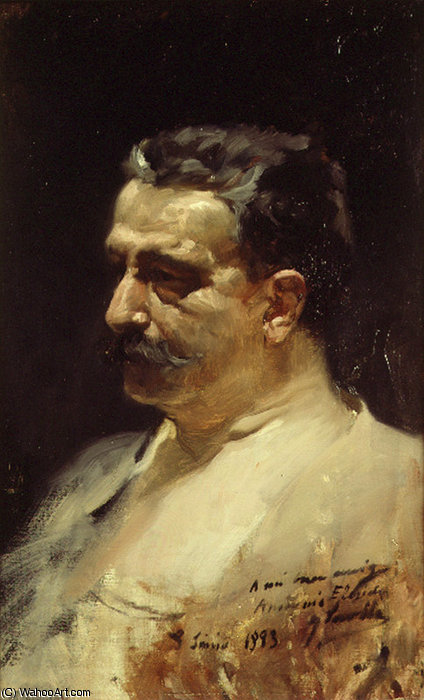
Joaquín Sorolla y Bastida's Retrato de Antonio Elegido is more than simply a depiction of a man; it’s an immersion into the very essence of Spanish light and emotion, a hallmark of the artist’s distinctive style. Painted during a period of intense creative exploration, this portrait captures a moment of profound introspection, inviting the viewer to share in the subject's quiet contemplation. The painting’s power resides not just in its technical brilliance but also in Sorolla’s ability to translate psychological depth onto canvas.
The Radiant Style of Joaquín Sorolla
Born in Valencia in 1863, Sorolla rose from a childhood marked by tragedy – the loss of his parents to cholera – to become one of Spain’s most celebrated painters. His artistic journey was profoundly shaped by his time in Rome, where he absorbed the influence of classical art while simultaneously developing his own unique approach. This is vividly apparent in Retrato de Antonio Elegido. Sorolla's signature technique—a masterful manipulation of light and color—is immediately recognizable. He employed loose, expressive brushstrokes to capture the play of sunlight on skin and fabric, creating a shimmering effect that seems to breathe life into the portrait. The use of vibrant hues, particularly in the tie and the subtle reflections within the black frame, adds to the painting’s overall luminosity.
Symbolism and the Portraiture Tradition
The subject himself, identified as Antonio Elegido, is presented with a dignified seriousness. The meticulously groomed facial hair – a mustache and beard – speaks of refinement and perhaps even a touch of melancholy. The attire, a tie worn in the lower portion of the image, was a common element in portraiture during this era, signifying status and social standing. However, Sorolla transcends mere representation; he imbues the subject with an aura of thoughtful reflection. The direct gaze of Antonio Elegido engages the viewer directly, creating a sense of intimacy and shared experience. This approach aligns with the conventions of Spanish portraiture of the late 19th century, which often sought to capture not just physical likeness but also the inner character of the sitter.
Historical Context and Emotional Impact
Painted in the early 20th century, *Retrato de Antonio Elegido* reflects a period of significant social and artistic change in Spain. Sorolla’s work aligns with the *luminismo*, a movement that emphasized the importance of light and color in art, rejecting the darker, more somber tones favored by earlier generations. The painting's emotional impact is undeniable – it evokes a sense of quiet contemplation, inviting viewers to ponder the mysteries of human existence. The dark frame surrounding the subject serves not only as a compositional element but also subtly suggests a stage or theater, further enhancing the feeling of drama and introspection. This piece remains a testament to Sorolla’s ability to capture both the beauty of light and the complexities of the human spirit.