Joaquín Sorolla y Bastida: Capturing Sunlight's Embrace
Valencia’s golden shores served as an enduring muse for Joaquín Sorolla y Bastida, whose canvases pulsate with the very essence of Mediterranean summer. Born in 1863 amidst familial sorrow – orphaned by cholera – Sorolla nevertheless possessed an unwavering dedication to artistic pursuits, nurtured by a supportive family and fueled by formative studies under masters like Capuz and Benlliure. His journey to Rome solidified his reputation as a prodigious talent, granting him invaluable access to the artistic traditions of antiquity.
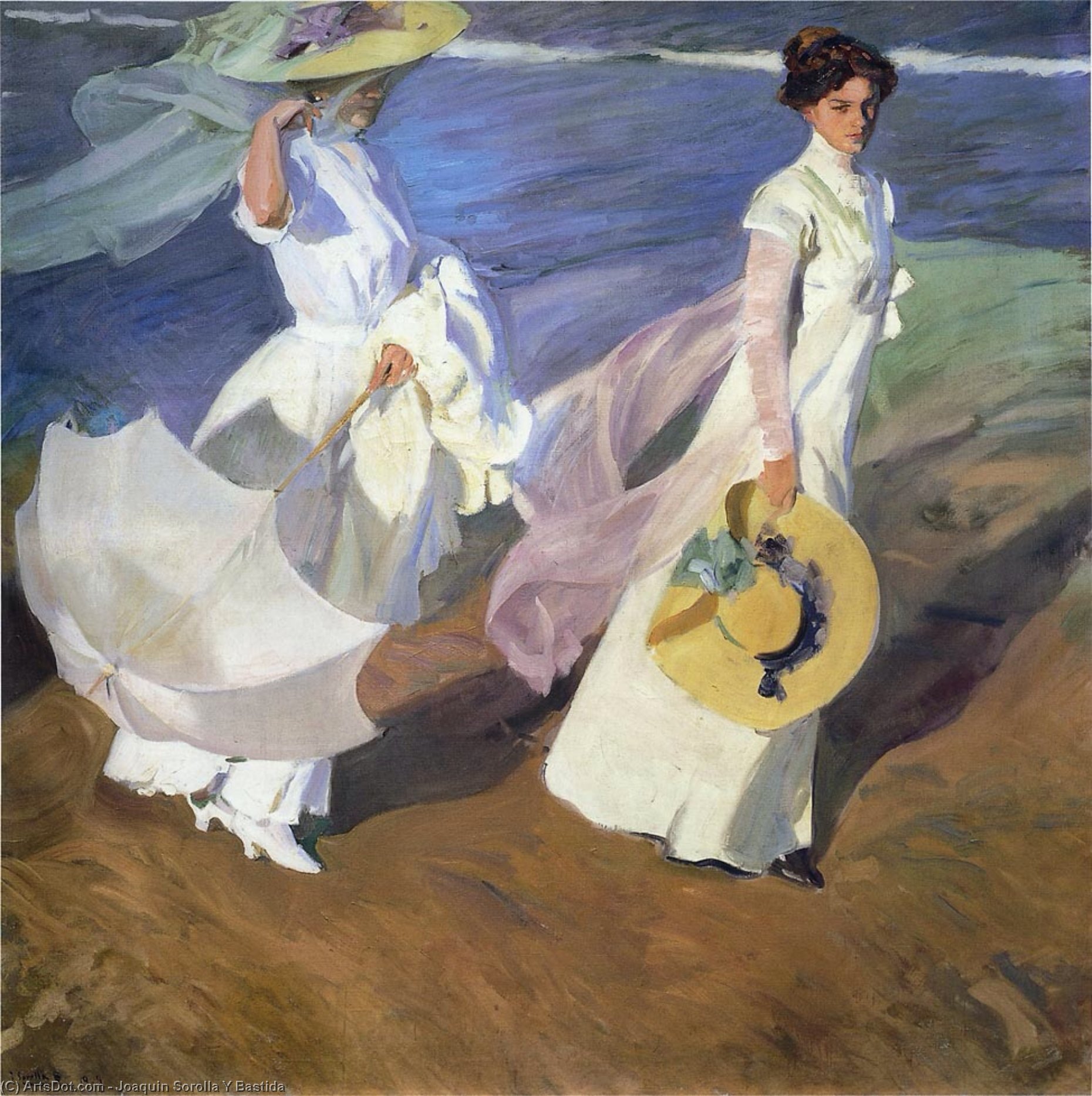
- Subject Matter: Sorolla’s paintings predominantly depict scenes of coastal life – promenades along beaches, fishing boats bobbing in calm waters, and families enjoying leisurely afternoons beneath parasols. These subjects weren't merely picturesque; they represented a deliberate effort to portray the vibrancy and joy of everyday existence.
- Style: Sorolla’s distinctive style is characterized by Impressionistic tendencies tempered with Realism. He skillfully blended loose brushstrokes—a hallmark of Impressionism—with meticulous attention to detail, capturing textures like sand, water ripples, and fabric folds with remarkable accuracy.
Technique: The Sorolla Method – Light as Paint
Sorolla’s revolutionary technique, dubbed “The Sorolla Method,” involved applying paint in successive layers—often upwards of twenty—allowing each subsequent coat to blend seamlessly into the previous one. This painstaking process prioritized capturing the ephemeral quality of sunlight—the way it refracted through air and danced upon surfaces—resulting in luminous canvases that seem to radiate warmth and vitality. He famously stated, “I want to paint light.”
- Color Palette: Sorolla favored a palette dominated by yellows, oranges, and blues – colors directly derived from the Mediterranean landscape. These hues weren’t merely decorative; they served as conduits for conveying emotion—optimism, serenity, and an appreciation for natural beauty.
- Brushwork: Sorolla employed rapid, energetic brushstrokes to convey movement and dynamism. He utilized a palette knife alongside brushes, applying thick impasto—textured paint—to create palpable surfaces that invited tactile engagement.
Historical Context: Modern Spain Embraces Impressionism
Sorolla’s artistic breakthroughs coincided with the burgeoning influence of Impressionism in Europe. Artists like Monet and Renoir were transforming painting conventions, prioritizing subjective experience over objective representation. Sorolla skillfully adapted these innovative ideas to his own vision—celebrating Spanish culture while simultaneously engaging with international artistic currents.
Symbolism & Emotional Impact: A Celebration of Life’s Fleeting Moments
Beyond mere visual splendor, Sorolla's paintings resonate deeply with viewers due to their profound symbolic significance. The parasols represent protection from the sun—a tangible reminder of mortality—yet simultaneously symbolize joy and leisure. The figures strolling along the beach embody a harmonious relationship between humanity and nature—a testament to Sorolla’s unwavering belief in the transformative power of beauty.
Sorolla's legacy extends far beyond his artistic achievements; he embodies an enduring spirit of optimism and creativity. His canvases continue to inspire artists and collectors alike, reminding us that true art resides not merely in technical prowess but in its ability to capture—and convey—the profound emotions inherent in human experience.