A Symphony of Mediterranean Light
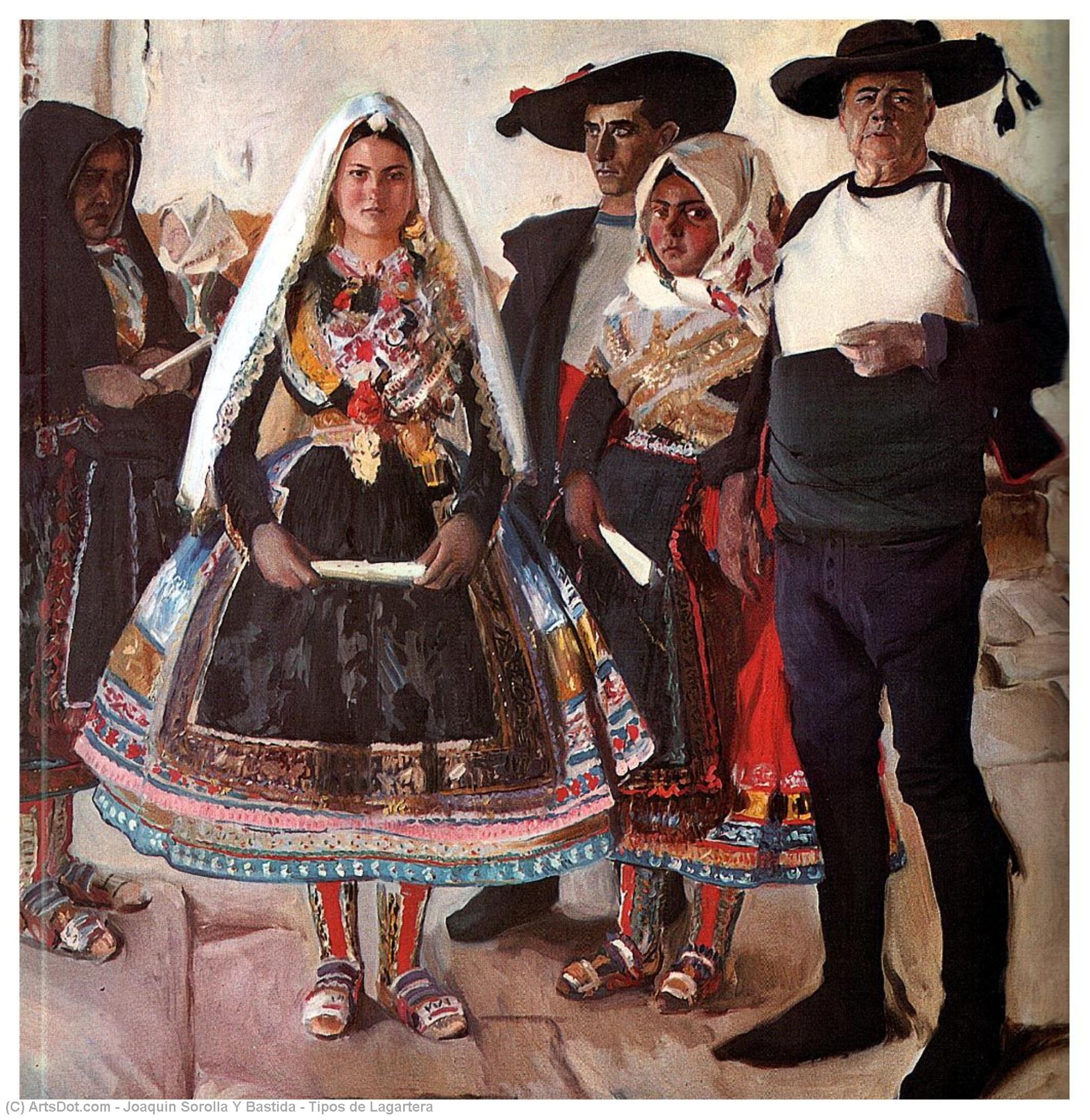
In the radiant masterpiece “Tipos de Lagartera,” completed in 1912, Joaquín Sorolla y Bastida invites us into a sun-drenched moment frozen in time. This evocative oil painting is far more than a mere portrait; it is a profound distillation of the Spanish spirit and the luminous essence of the Mediterranean landscape. The scene unfolds within a courtyard bathed in intense, natural light, where six individuals are captured in the midst of quiet conversation. Dressed in the traditional, textured garb of the Valencian working class—featuring embroidered jackets, crisp linen shirts, and heavy woolen hats—these figures embody a sense of dignity and cultural pride. Sorolla does not merely depict people; he captures the very breath of a community, weaving together the threads of everyday life with an almost palpable sense of movement and vitality.
The brilliance of this work lies in Sorolla’s unparalleled ability to manipulate light, a skill that earned him the reputation as a master of luminosity. His style represents a breathtaking intersection of luminous realism and impressionistic flair. Rather than adhering to the rigid, often sterile conventions of academic painting, Sorolla prioritized the fleeting, ephemeral qualities of sunlight as it dances across surfaces. One can almost feel the warmth of the sun hitting the stone walls and witness the intricate dance of dappled shadows cast by nearby foliage. This mastery of light creates a profound sense of depth, pulling the viewer into the intimate circle of men, making the courtyard feel like a space one could step into and inhabit.
Technique and the Art of Immediacy
To achieve such breathtaking realism, Sorolla employed the alla prima technique, painting directly onto a wet canvas without the traditional layers of underpainting. This method allowed him to maximize the immediacy and brilliance of his colors, ensuring that the light felt fresh and unmediated. His brushwork is a study in purposeful contrast; while some strokes are loose and energetic to convey movement, others are meticulously applied to render the rich textures of the scene. Through the strategic use of both fine brushes and palette knives, he sculptively rendered the rough weave of wool against the smooth sheen of linen, creating a tactile experience for the eye. This layering of thin glazes, a skill refined during his formative years in Rome, allows for subtle tonal gradations that give the skin tones and fabrics a lifelike, glowing quality.
For the discerning collector or interior designer, “Tipos de Lagartera” offers an extraordinary emotional resonance. The painting evokes a sense of quiet nostalgia and a deep respect for tradition, making it a sophisticated centerpiece for any curated space. Its balanced composition and organic shapes provide a natural harmony that complements both classical and contemporary interiors. Whether placed in a sunlit gallery or a refined private study, this reproduction serves as a window into the Belle Époque—a period of optimism and artistic experimentation. It is an investment in a piece of history that continues to radiate the warmth, culture, and enduring beauty of the Spanish soul.