Johann Moritz Rugendas (1802-1858) was a German painter renowned for his vibrant landscapes & ethnographic studies of 19th-century Latin America. A key figure in Tropical Romanticism, influencing artists with his depictions of Brazil, Mexico & beyond
Explore the vast collection of over 258,000 artifacts at Rio de Janeiro's Museu Histórico Nacional, where imperial grandeur and colonial treasures await your discovery within a historic fortress and royal palace.
Johann Moritz Rugendas’s “Colonial Hunter”: A Window Into Brazilian Romanticism
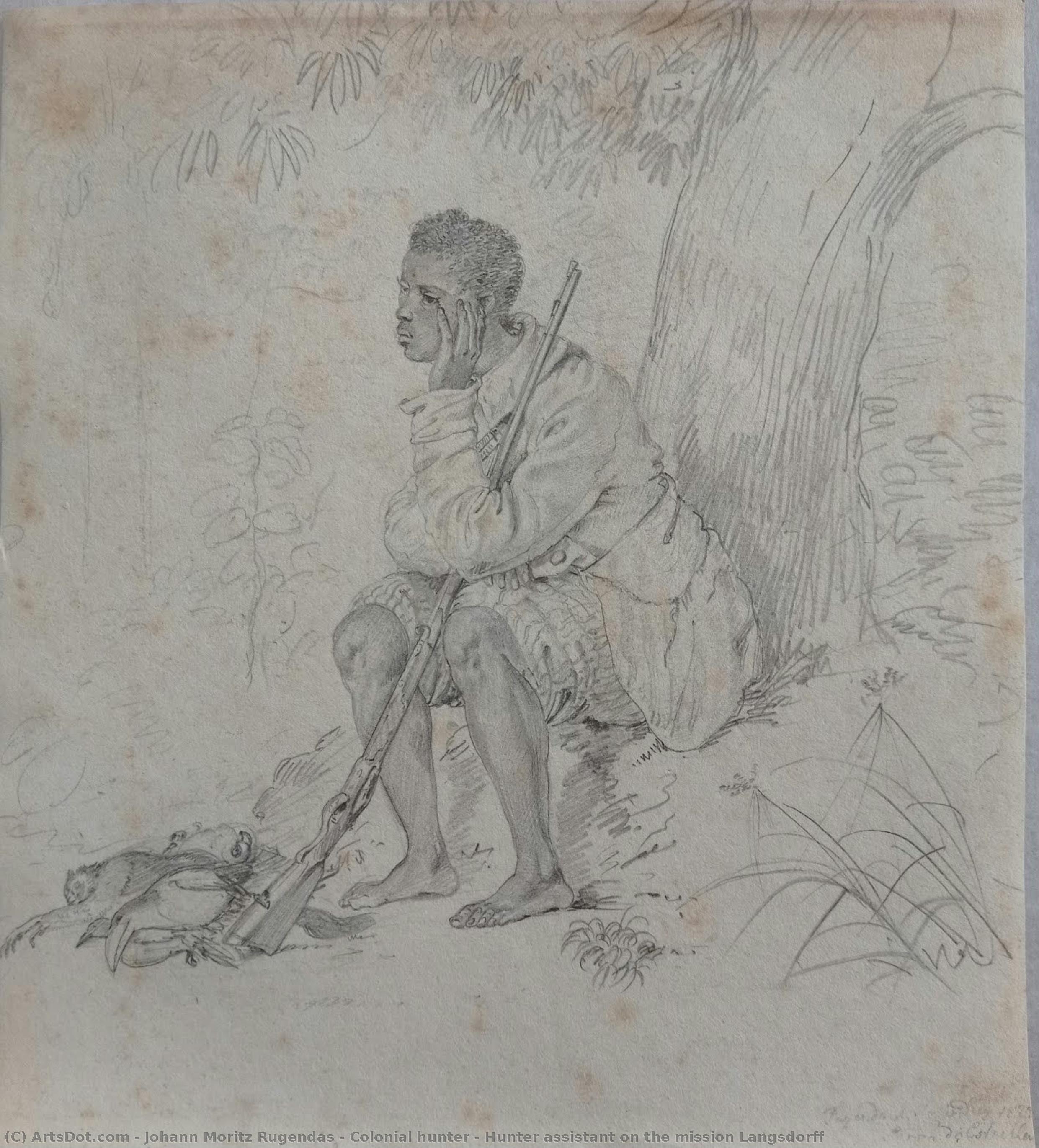
The artwork, titled "Colonial Hunter - Hunter assistant on the mission Langsdorff," is a remarkable graphite drawing by Johann Moritz Rugendas (1802-1858), capturing a pivotal moment in Latin American history and embodying the spirit of Tropical Romanticism. More than just a depiction of an indigenous man observing his surroundings, it’s a meticulously crafted visual narrative that speaks volumes about the complexities of European colonialism and its impact on Brazilian culture.
- Subject Matter & Historical Context: Rugendas's drawing portrays a Black hunter assisting Baron de Langsdorff’s expedition into Brazil in 1824. This mission aimed to document the flora, fauna, and indigenous populations of the region—a project driven by Enlightenment ideals but fraught with ethical considerations regarding colonial exploitation. The scene encapsulates the burgeoning fascination with the “primitive” world amongst European intellectuals and artists during this era.
- Style & Technique: Rugendas’s style aligns perfectly with Tropical Romanticism, prioritizing atmospheric perspective and expressive tonal shading—techniques championed by Alexander von Humboldt and Wilhelm Ender. He employs hatching and cross-hatching extensively to achieve remarkable realism, layering graphite strokes to convey texture and depth. The drawing's aged appearance lends it an aura of authenticity and invites contemplation on the passage of time.
- Composition & Visual Elements: Centered around a solitary figure beneath a sprawling tree, Rugendas utilizes a shallow perspective to draw viewers into the immediate environment. The careful arrangement of foliage creates a natural frame, emphasizing stillness and observation—a deliberate choice reflecting the Romantic preoccupation with solitude and contemplation. Geometric shapes like the rifle contribute to the composition’s structure while highlighting the hunter's role as protector.
- Color Palette & Lighting: Predominantly grayscale, Rugendas’s palette utilizes subtle tonal variations to establish mood and illuminate the scene. Soft, diffused light casts gentle shadows, enhancing the drawing’s realism and conveying a sense of tranquility. The muted colors underscore the melancholic beauty inherent in documenting disappearing cultures.
- Symbolic Significance & Emotional Impact: Beyond its aesthetic qualities, “Colonial Hunter” carries profound symbolic weight. It represents not only the encounter between European explorers and indigenous peoples but also the broader anxieties surrounding cultural preservation amidst imperial expansion. The contemplative gaze of the hunter evokes feelings of quiet dignity and invites reflection on humanity’s relationship with nature—themes central to Romantic artistic expression.
This drawing stands as a testament to Rugendas's skill in capturing both visual detail and emotional nuance, cementing his legacy as one of Latin America’s foremost landscape painters and ethnographers. Its enduring appeal lies in its ability to transport viewers back to a transformative period in history—a moment defined by intellectual curiosity, artistic innovation, and the poignant awareness of cultural change.