Johannes Vermeer (1632-1675): Dutch Master of light & intimate scenes. Explore 'Girl with a Pearl Earring' & iconic Golden Age paintings. Realism, domestic life.
Explore Johannes Vermeer (1632-1675), Dutch Master of light & intimate scenes. Discover 'Girl with a Pearl Earring' & his iconic Golden Age paintings, renowned for realism and tranquility.
Explore the National Gallery of Art in Washington D.C.! Discover masterpieces from Renaissance to modern art, including works by Raphael, Van Gogh & more. Free admission!
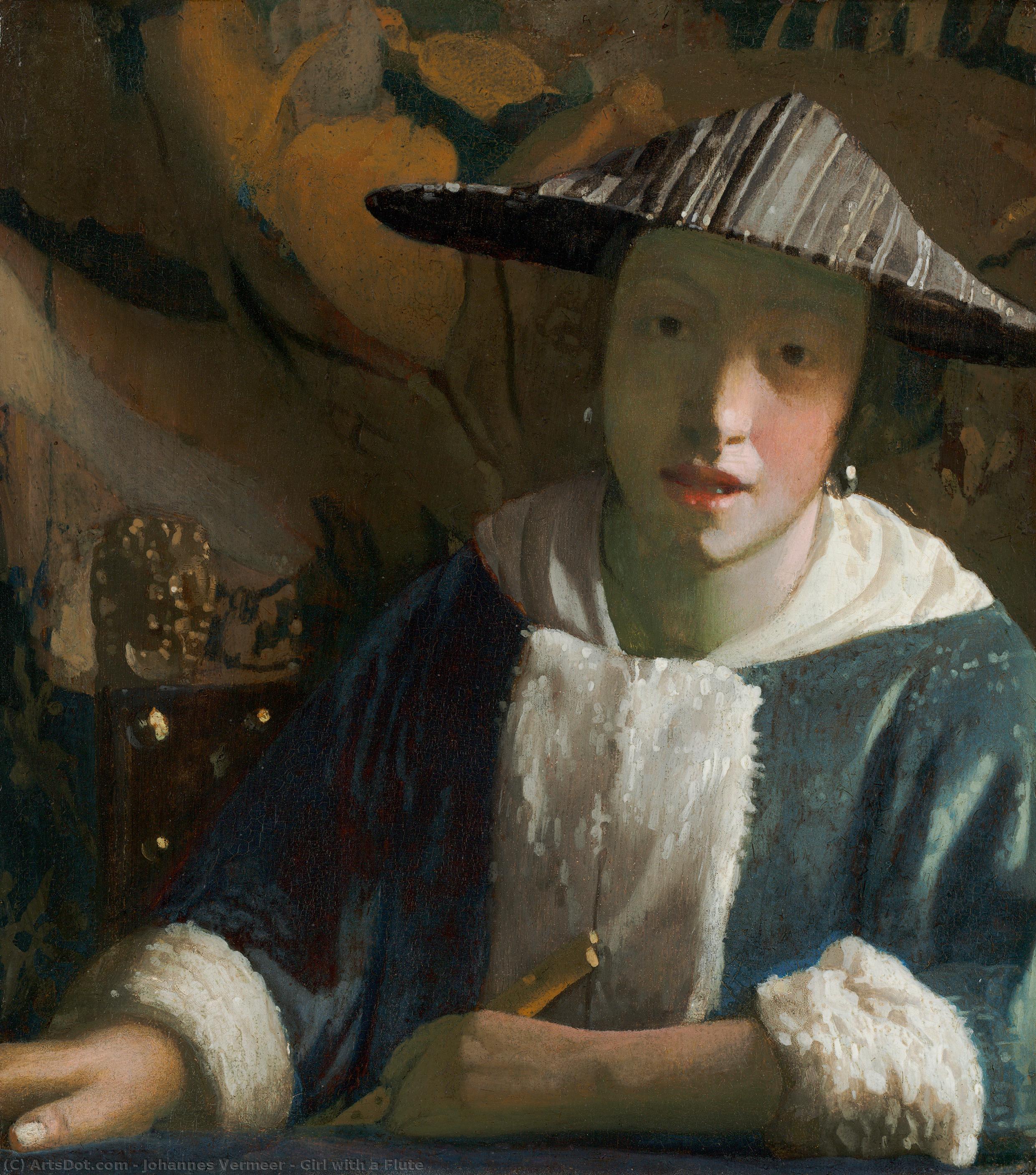
Johannes Vermeer’s ‘Girl with a Flute’: A Window Into Delft’s Golden Age
Johannes Vermeer’s “Girl with a Flute,” painted in 1666, stands as one of the most recognizable images of the Dutch Baroque period. More than just a portrait, it's a meticulously crafted snapshot of domestic life—a scene imbued with quiet contemplation and bathed in the soft glow of candlelight—that continues to fascinate audiences centuries later. The painting resides within the Royal Picture Gallery Mauritshuis in The Hague, where its luminous palette and masterful execution exemplify Vermeer’s unparalleled skill at capturing fleeting moments of beauty and emotion.
A Masterclass in Chiaroscuro and Detail
Vermeer's technique is characterized by an extraordinary command of chiaroscuro—the dramatic interplay between light and shadow—a hallmark of Baroque art. Observe how Vermeer skillfully directs the viewer’s gaze, highlighting the girl’s face and torso while enveloping the background in a hazy warmth. Each brushstroke contributes to a palpable sense of depth and texture; you can almost feel the velvety softness of the fur trim adorning her hat and the subtle sheen on her skin. The artist's meticulous attention to detail—from the delicate folds of fabric to the precise rendering of the flute itself—underscores Vermeer’s dedication to realism, pushing beyond mere representation to convey an atmosphere of profound stillness.
Delft During Its Zenith: Contextualizing the Artwork
The painting emerged during Delft’s apex as a center for artistic innovation and cultural prestige. The Dutch Republic was experiencing unprecedented economic prosperity fueled by trade—particularly maritime commerce—and this wealth translated into patronage of the arts. Vermeer, like many artists of his time, benefited from the support of wealthy merchants and families who commissioned portraits and genre scenes depicting everyday life. “Girl with a Flute” reflects this societal ethos: it’s not an opulent display of aristocratic grandeur but rather an intimate portrayal of a young woman engaged in a simple activity—playing music—a gesture that speaks to themes of grace, refinement, and inner tranquility.
Symbolism Beyond the Surface Glance
While seemingly unassuming, “Girl with a Flute” is rich in symbolic resonance. The flute itself represents musicality and intellectual pursuits – qualities valued during the Baroque era. Its presence suggests an idealized vision of feminine virtue and contemplation. Furthermore, the girl’s posture—slightly turned away from the viewer—creates a sense of privacy and invites us to imagine her inner thoughts. Vermeer's masterful composition reinforces this psychological dimension, prompting viewers to consider not just what is seen but also what is felt.
Emotional Resonance: A Timeless Appeal
Ultimately, “Girl with a Flute” transcends its historical context to evoke a powerful emotional response. The painting’s serene beauty and subtle melancholic undertones capture the essence of human experience—the quiet moments of reflection amidst the bustle of daily life. It's a testament to Vermeer’s ability to distill complex emotions into a single image, securing its place as an enduring masterpiece of Baroque art and continuing to inspire admiration for generations. Its luminous colors and captivating composition make it ideal for interior design projects seeking warmth, sophistication, and a connection to artistic heritage.