Explore Johannes Vermeer (1632-1675), Dutch Master of light & intimate scenes. Discover 'Girl with a Pearl Earring' & his iconic Golden Age paintings, renowned for realism and tranquility.
Explore Vienna's artistic soul at the Kunsthistorisches Museum! Discover masterpieces by Raphael, Rembrandt, Vermeer & ancient treasures from Egypt to Rome.
A Masterpiece of Illusion: Unveiling Vermeer’s “The Art of Painting”
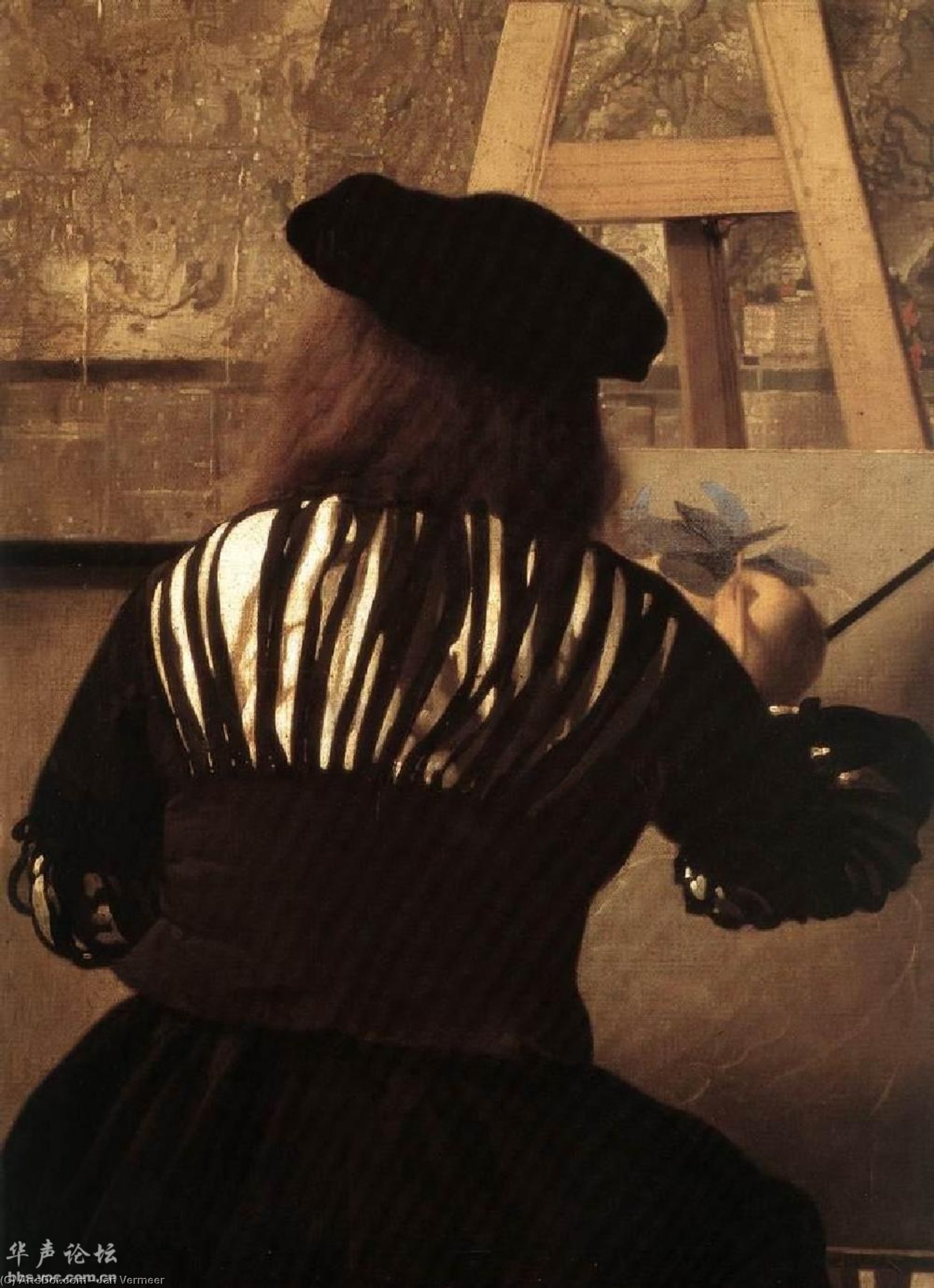
Johannes Vermeer’s “The Art of Painting,” completed around 1665 and currently residing within the Kunsthistorisches Museum in Vienna, isn't merely a portrait; it’s an immersive allegory—a meticulously constructed stage set for the very act of artistic creation. This captivating oil on canvas transcends the conventional boundaries of genre painting, inviting us into a world where art itself is the subject, a realm of light, shadow, and profound contemplation. The painting immediately draws the eye to its central figure: a man in dark, elegant attire, poised before an easel, brush in hand, engaged in the process of bringing a canvas to life. Yet, this isn’t simply a depiction of an artist at work; it's a carefully orchestrated tableau brimming with symbolic weight and technical brilliance. Vermeer masterfully employs light—a signature element of his oeuvre—to sculpt form and create a sense of palpable depth within the relatively small confines of the composition. The diffused illumination, seemingly emanating from an unseen window, casts dramatic shadows that define the contours of the figures and objects, lending a remarkable three-dimensionality to the scene. Notice how Vermeer uses light to highlight the textures of the tapestry, the sheen of the chandelier, and even the subtle reflections on the map—a detail that speaks volumes about his meticulous observation of the natural world.
Composition and Symbolism: A Language of Art
The composition itself is a testament to Vermeer’s intellectual curiosity and artistic ambition. The arrangement isn't haphazard; it’s deliberately constructed to represent various facets of the artistic process. Observe the carefully positioned objects surrounding the artist—the mask, perhaps symbolizing the debate between realism and idealism in art; the book, representing the importance of knowledge and study; the plaster model, a reminder of the need for accurate representation; and the map, hinting at the vastness of the world awaiting artistic interpretation. The presence of a partially drawn curtain invites the viewer to step into the scene, blurring the lines between observer and participant. The figure of the woman, often interpreted as Clio, the Muse of History—a deliberate allusion to Vermeer’s own interest in classical antiquity and the power of visual storytelling—stands as a model, embodying the subject matter for the artist's creation. The inclusion of a trumpet suggests the dissemination of artistic ideas, while the eagle atop the chandelier, an emblem of imperial authority, subtly references the historical context of the painting’s creation within the Netherlands. The overall effect is one of intellectual stimulation and artistic engagement—a visual meditation on the nature of art itself.
Technique: Vermeer's Mastery of Light and Detail
Vermeer’s technical prowess is immediately apparent upon close examination. His use of *sfumato*, a technique borrowed from Leonardo da Vinci, creates soft transitions between colors and tones, lending the painting an ethereal quality. The brushstrokes are remarkably subtle, almost invisible—a hallmark of Vermeer's meticulous approach to painting. He employed a layering technique, building up thin glazes of color to achieve luminous effects and incredible detail. The map, for instance, is rendered with astonishing accuracy, capturing not only its geographical features but also the play of light on its surface. The artist’s clothing, the texture of the tapestry, and even the subtle wrinkles in the model's face are depicted with a level of realism that was unparalleled at the time. Vermeer’s ability to capture the fleeting effects of light—the way it bounces off surfaces, creates shadows, and transforms our perception of space—is truly remarkable. It is this mastery of light that elevates “The Art of Painting” from a simple portrait to a profound exploration of visual experience.
An Allegory for Our Time: The Enduring Relevance of Vermeer’s Vision
“The Art of Painting” continues to resonate with viewers today because it speaks to the fundamental questions at the heart of artistic creation—the role of observation, imagination, and skill in bringing an idea to life. It's a painting about the process as much as it is about the product, inviting us to contemplate the intellectual and emotional labor involved in the act of making art. While rooted in the 17th-century context of the Dutch Golden Age, its themes—the pursuit of beauty, the power of representation, and the relationship between artist and subject—remain strikingly relevant. ArtsDot offers meticulously crafted, hand-painted reproductions that faithfully capture the essence of this masterpiece, allowing you to experience Vermeer’s genius in stunning detail. Consider acquiring a reproduction – a tangible connection to one of art history's most enduring treasures.