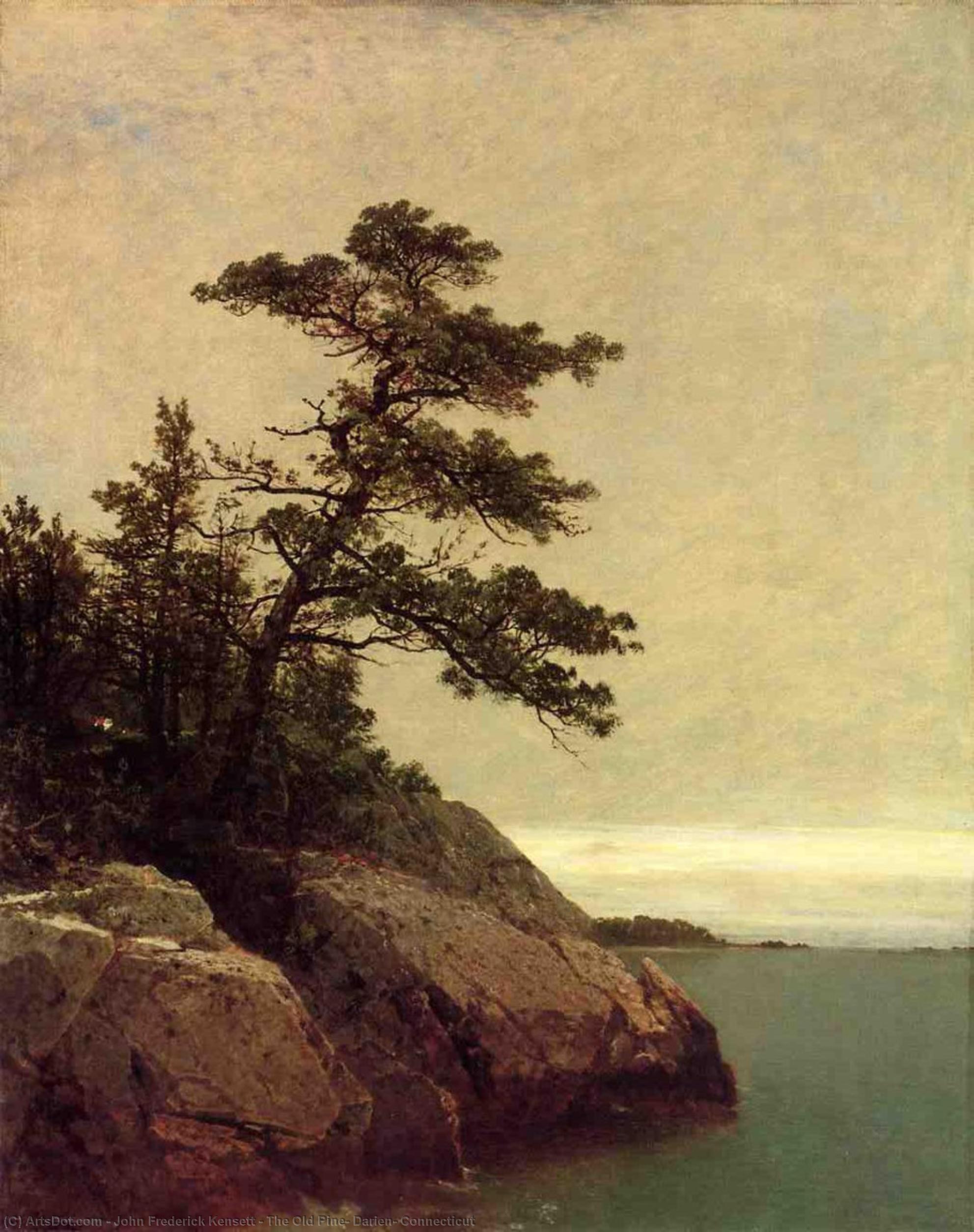
Experience the luminous tranquility of John Frederick Kensett's 1872 masterpiece, capturing a solitary pine against the vast ocean; discover this serene American landscape today.
Explore the serene landscapes of John Frederick Kensett (1816-1872), a key figure in the Hudson River School & Luminism. Discover his luminous paintings capturing the beauty of American nature and atmospheric light.
Explore The Metropolitan Museum of Art: 5,000 years of art from around the world! Discover masterpieces, ancient artifacts & immersive exhibitions – a global art destination awaits.
A Moment Frozen in Light: Exploring John Frederick Kensett’s “The Old Pine”
John Frederick Kensett (1816–1872), a pivotal figure in the Hudson River School and Luminist movement, possessed an unparalleled ability to distill the essence of American landscape into exquisitely rendered paintings. His work transcends mere depiction; it strives for a profound communion with nature, capturing not just what is seen but also how it feels—a stillness imbued with radiant luminosity that continues to captivate viewers today. “The Old Pine,” painted in 1872 during his final summer on Long Island Sound off Darien, Connecticut, exemplifies this artistic philosophy perfectly.
Subject Matter and Composition: A Study in Tranquility
At first glance, the painting presents a deceptively simple scene: a solitary pine tree perched precariously on a cliff edge overlooking the expansive ocean. However, Kensett’s meticulous observation reveals layers of detail—the rugged coastline punctuated by weathered rocks—that contribute to an overall impression of austere beauty and resilience. The artist deliberately eschewed grand vistas or dramatic narratives, opting instead for a focused portrayal of a single tree against the backdrop of atmospheric light. This deliberate restraint serves not to diminish the scene’s impact but rather to heighten its contemplative quality.
Luminist Technique: Capturing Transient Light
Kensett's signature style—luminism—was born from a fascination with capturing fleeting moments of natural illumination. Unlike his predecessors who often employed dramatic chiaroscuro effects, Kensett favored subtle gradations of color and tone to convey the ethereal quality of sunlight filtering through foliage. The artist achieved this remarkable feat through painstaking layering of thin glazes – applying multiple coats of translucent paint—allowing each subsequent layer to subtly modify the hue and intensity of light reflected from beneath. This technique is particularly evident in the dappled illumination that dances across the pine needles, creating an illusion of movement and vibrancy despite the stillness of the composition.
Historical Context: Transcendentalism and the American Spirit
“The Old Pine” emerged during a period marked by intellectual ferment—the Transcendentalist movement championed by Ralph Waldo Emerson and Henry David Thoreau—which profoundly influenced American art and thought. These thinkers believed in the inherent goodness of humanity and the interconnectedness of all things, advocating for a return to nature as a source of spiritual renewal. Kensett’s painting embodies this ethos, reflecting the broader cultural preoccupation with capturing sublime beauty and conveying a sense of awe before the grandeur of the natural world. It speaks to an ideal of American identity rooted in simplicity, contemplation, and reverence for the unspoiled landscapes of the nation.
Symbolism: Resilience Amidst Decay
The pine tree itself holds significant symbolic weight within Western tradition—representing longevity, perseverance, and spiritual fortitude. Its weathered trunk and sparse foliage serve as a poignant reminder of the passage of time and the inevitability of decay, yet it stands tall against the turbulent sea winds, symbolizing resilience and unwavering faith in the face of adversity. Kensett’s deliberate choice to depict this tree—a symbol of enduring strength—underscores the painting's overarching message: beauty can be found even in solitude and vulnerability, and true artistry lies in capturing the profound emotional resonance of natural phenomena.
Emotional Impact: A Balm for the Soul
Ultimately, “The Old Pine” transcends mere visual representation; it aspires to evoke a feeling of serenity and contemplation within the viewer. The painting’s luminous palette and harmonious composition invite us to pause, breathe deeply, and appreciate the quiet grandeur of the natural world—a balm for the anxieties of modern life that continues to resonate with audiences today. It is a testament to Kensett's mastery of Luminist technique and his unwavering commitment to conveying the sublime beauty of American landscape.