John Linnell’s “Mr Hooper, Confectioner of Holborn”: A Portrait of Quiet Observation
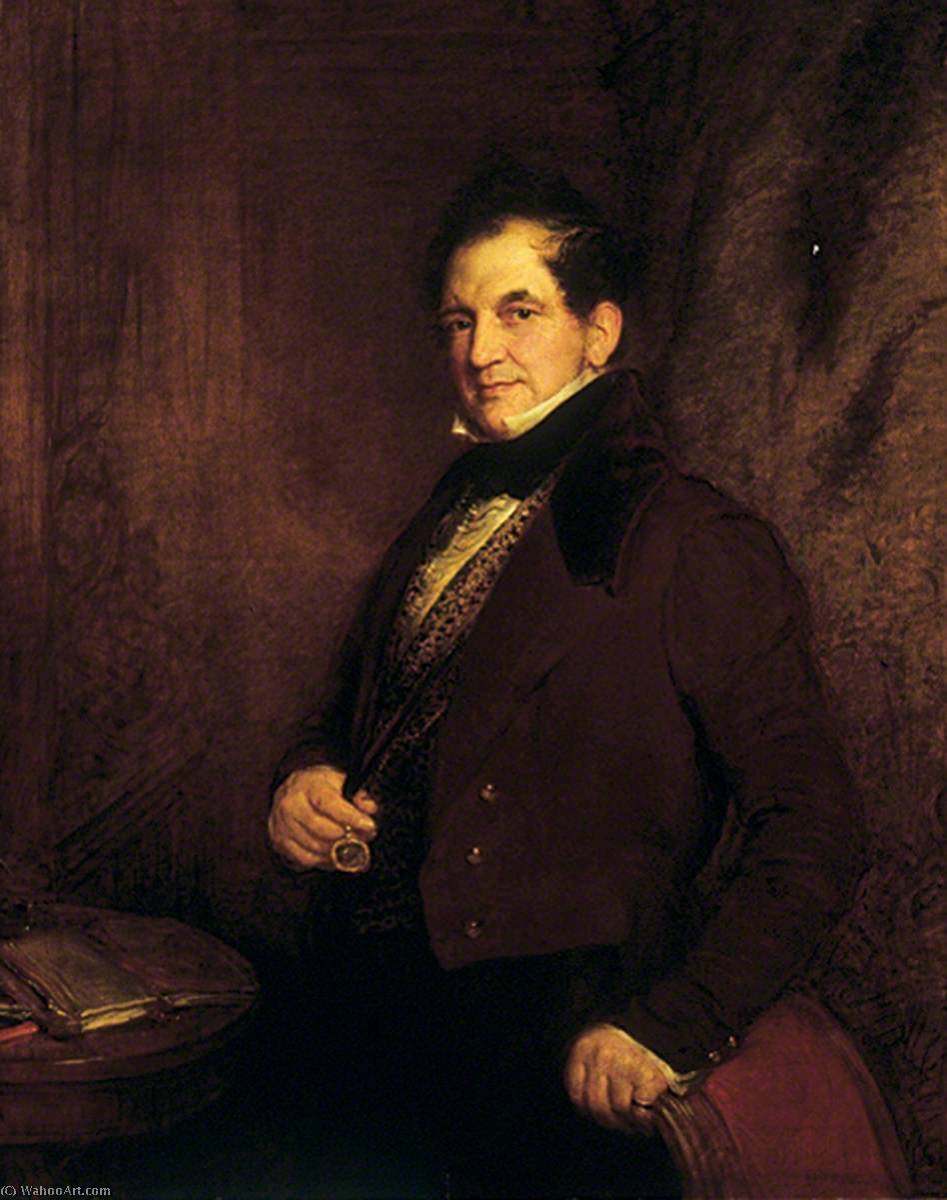
The painting "Mr Hooper, Confectioner of Holborn," executed by John Linnell in 1837, transcends mere representation; it embodies a profound stillness and invites contemplation—qualities that define Linnell's distinctive artistic vision. This meticulously crafted portrait captures not just the physical likeness of Harold Hooper but delves into his inner life, presenting him as a figure absorbed in thought amidst the familiar comforts of his shop. Linnell’s masterful technique—characterized by delicate brushstrokes and subtle tonal gradations—creates an atmosphere of serene introspection that resonates deeply with viewers.
- Subject Matter: Linnell skillfully portrays Hooper, a confectioner residing in Holborn, London, capturing him seated at a table laden with books and surrounded by the paraphernalia of his trade. The composition prioritizes conveying mood over dramatic gesture, reflecting Linnell’s preference for portraying psychological states rather than outward action.
- Style: Linnell's style aligns seamlessly with the Romantic movement, prioritizing emotional expression and capturing the beauty of everyday life—a hallmark of British art during this period. Influenced by luminists like Joshua Reynolds and Rembrandt van Rijn, Linnell’s approach emphasizes tonal harmony and atmospheric perspective, mirroring the stylistic conventions prevalent in his time.
- Technique: Linnell employed oil paints on canvas with painstaking detail, utilizing glazing techniques to achieve luminous color palettes and subtle textural nuances. The artist meticulously rendered Hooper's clothing—a dark suit adorned with a cravat—and incorporated realistic depictions of books and tabletop objects to establish a convincing sense of setting.
The painting’s historical context illuminates Linnell’s artistic intentions. Produced during the Victorian era, “Mr Hooper” reflects the burgeoning interest in psychological realism and the desire to depict human experience with sensitivity and nuance. Linnell's depiction aligns with broader trends in Romantic art—a movement that championed imagination and emotion as opposed to rationalism—demonstrating a commitment to capturing the complexities of human consciousness.
Symbolism:
The inclusion of books symbolizes Hooper’s intellectual pursuits and his engagement with knowledge—values central to Victorian society. The quiet solitude of Hooper's posture speaks to themes of introspection and contemplation, suggesting that Linnell aimed to convey a deeper understanding of the human condition beyond superficial appearances. Furthermore, the carefully arranged tabletop objects serve as visual anchors, grounding the portrait in the mundane realities of daily life while simultaneously elevating it to an artistic statement about observation and perception.
Emotional Impact:
“Mr Hooper” evokes a palpable sense of tranquility and thoughtfulness—qualities that linger long after viewing the artwork. Linnell’s masterful rendering captures not only Hooper's physical form but also his inner gaze, inviting viewers to engage in a dialogue with the subject’s contemplative demeanor. The painting’s subdued palette and harmonious tonal relationships contribute to its calming effect, reinforcing Linnell’s artistic goal of conveying profound emotional resonance through understated visual language. It stands as a testament to Linnell's ability to transform ordinary scenes into evocative representations of human experience—a skill that continues to inspire admiration among art connoisseurs today.