Elizabeth Sprague Coolidge: A Portrait of Quiet Dignity
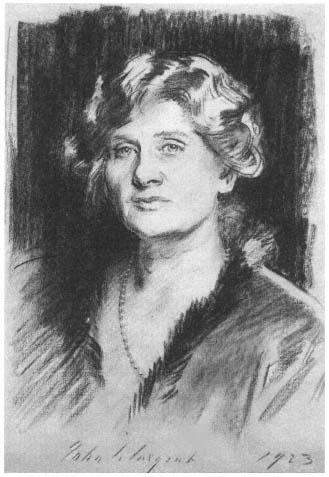
This charcoal portrait of Elizabeth Sprague Coolidge by John Singer Sargent, completed in 1923, transcends mere likeness; it embodies the spirit of an era and captures a moment of contemplative serenity. Sargent’s masterful technique—primarily drawing with charcoal—delivers an impressionistic vision that prioritizes tonal nuance over meticulous detail, reflecting the artist's fascination with capturing fleeting sensations rather than replicating reality with photographic precision. The artwork resides within a broader context of American cultural life during the Jazz Age, mirroring the burgeoning optimism and artistic experimentation characteristic of the period. Coolidge herself was a celebrated composer and philanthropist, symbolizing intellectual pursuits alongside generosity—themes subtly conveyed through Sargent’s understated portrayal.
- Composition & Technique: Sargent employs a balanced compositional structure typical of portraiture, centering Coolidge's face against a softly rendered background that recedes into darkness. Loose, flowing charcoal lines dominate the execution, utilizing hatching and cross-hatching to build up shadows and suggest volume—a technique honed during his formative years amidst European artistic luminaries.
- Color Palette & Texture: The absence of color pigments underscores Sargent’s stylistic commitment to tonal values. Varying charcoal densities create a grayscale palette that emphasizes texture, particularly evident in the rendering of Coolidge's hair—short, quick marks conveying an immediacy and spontaneity absent from more formal approaches.
- Lighting & Emotion: Soft, diffused lighting illuminates Coolidge’s face, producing gentle highlights and shadows that sculpt her features. This subtle illumination contributes to the portrait’s emotional impact, projecting a sense of thoughtfulness and quiet dignity—a gaze imbued with intelligence and serenity.
- Historical Context & Symbolism: Created during the Jazz Age, the portrait reflects the cultural dynamism of its time while simultaneously honoring Coolidge's legacy as a musical innovator and humanitarian. Sargent’s deliberate choice to forgo detailed representation serves to elevate the subject beyond mere physical appearance, emphasizing her inner character.
This reproduction captures the essence of Sargent’s Impressionistic style—a testament to his ability to distill complex emotion into deceptively simple marks on paper.