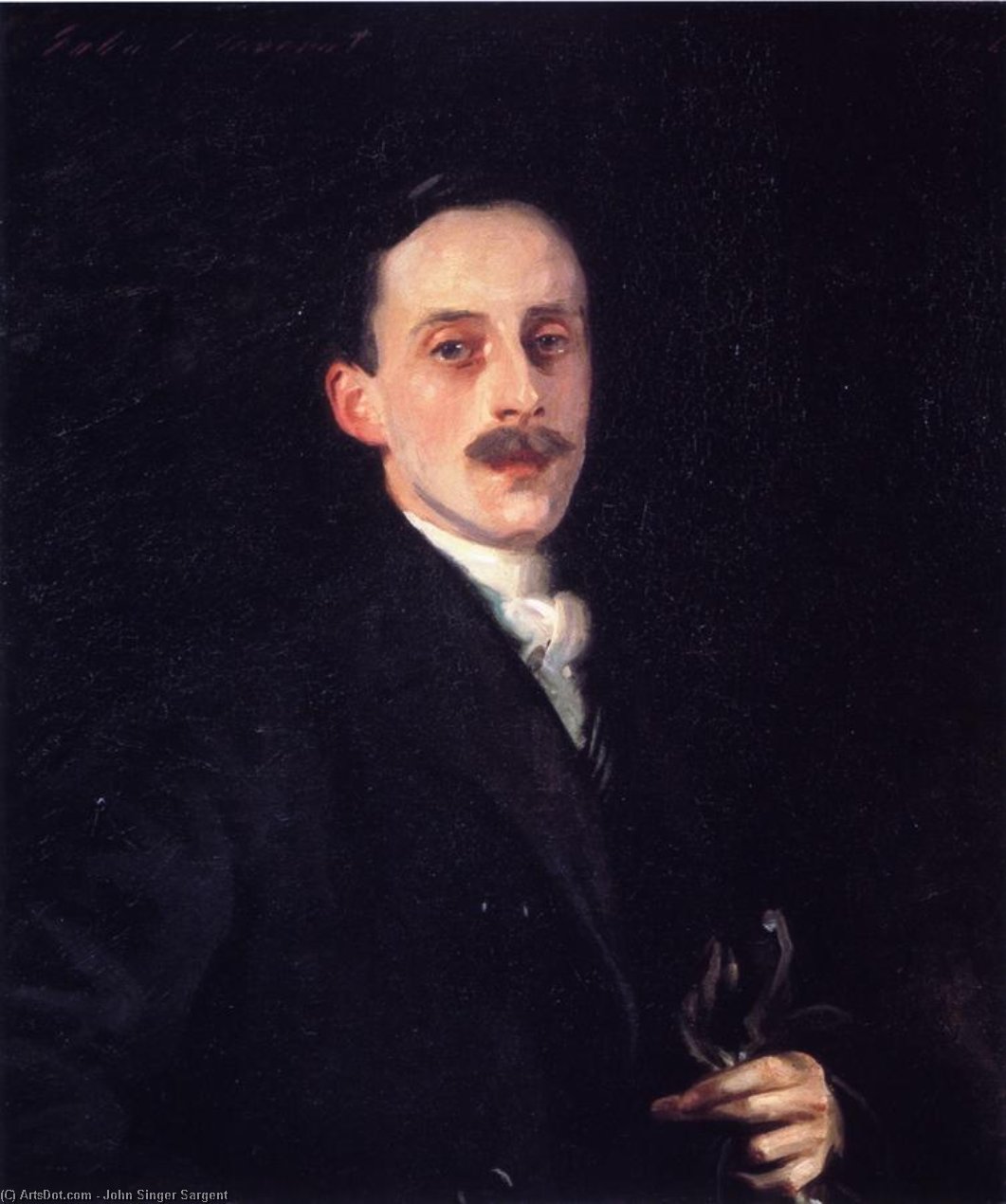
John Singer Sargent's Hugh Lane captures elegance with loose brushstrokes and soft lighting, portraying a man in refined attire against a dark backdrop—a masterpiece of Impressionistic portraiture housed at the Hugh Lane Municipal Gallery.
A Tapestry of Time: Reflections on Impressionism
The canvas holds not merely pigment but echoes of an era – Impressionism’s fervent embrace of fleeting moments and sensory impressions. Born from the desire to capture the ephemeral beauty of a sunrise or the dappled light filtering through leaves, this artistic movement sought to transcend mere representation, striving instead for an emotional resonance that lingered in the viewer's mind.
The Artist: Claude Monet – Pioneer of Light
Claude Monet, arguably the movement’s most influential figure, relentlessly pursued his vision of capturing light’s transformative effects on color and form. Rejecting academic conventions favoring meticulous detail, he championed loose brushstrokes and a vibrant palette—primarily blues, greens, and yellows—to convey the immediacy of experience.
Technique: Broken Color – A Revolutionary Approach
Monet's technique involved applying paint in small, broken strokes rather than blending them smoothly. This “broken color” method allowed individual pigments to retain their vibrancy while simultaneously merging with neighboring hues, creating an illusion of shimmering luminescence—a hallmark of Impressionist painting.
Historical Context: Post-Industrial Paris – A Shift in Perspective
Impressionism emerged in the wake of the Industrial Revolution, marking a significant departure from the dominant artistic styles of the Victorian era. Artists like Monet and Renoir sought inspiration not in grand historical narratives but in the everyday realities of Parisian life—the bustling boulevards, the tranquil gardens, and the vibrant atmosphere of cafes.
Symbolism: Capturing Emotion – Beyond Literal Representation
While Impressionists aimed for accuracy in depicting visual sensations, they prioritized conveying emotion above all else. The shimmering surfaces of Monet’s landscapes are imbued with a sense of serenity and wonder—a testament to his ability to translate subjective experience into tangible artistic form.
Emotional Impact: A Moment Frozen in Time – Resonance Across Generations
Monet's paintings continue to captivate audiences today, transporting viewers back to the Impressionist era and eliciting feelings of nostalgia and contemplation. They serve as a reminder that beauty can be found not only in grand vistas but also in the subtle nuances of ordinary moments—a timeless message conveyed with unparalleled artistry.