Explore the art of John Singer Sargent! Discover iconic portraits like 'Madame X', Impressionistic landscapes & Gilded Age elegance from this American master.
A Portrait Steeped in Victorian Elegance: Exploring John Singer Sargent’s Mrs. Benjamin Kissam
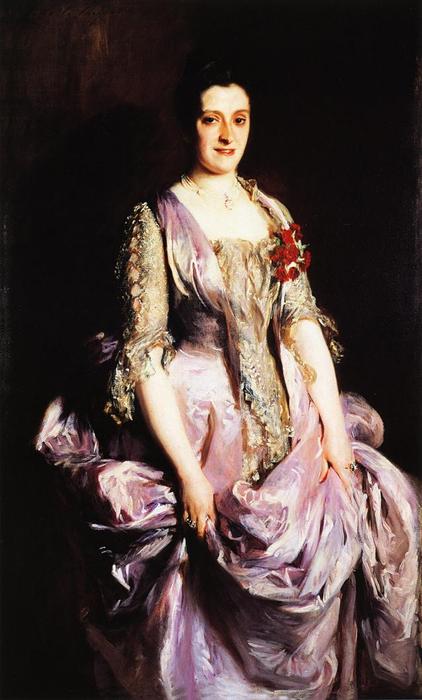
John Singer Sargent's "Mrs. Benjamin Kissam," completed in 1888, stands as a quintessential example of Impressionistic Realism—a stylistic fusion that brilliantly captures the spirit of its time and continues to resonate with audiences today. Housed within the opulent halls of Biltmore Estate, this oil on canvas masterpiece transcends mere depiction; it’s an invitation into a meticulously crafted tableau of Victorian society and refined femininity.
Subject Matter and Composition
The painting portrays Mrs. Benjamin Kissam, a woman of considerable social standing, seated gracefully against a subtly textured background. Sargent's masterful observation of the human form is evident in the delicate rendering of her posture and facial expression—a serene gaze that hints at inner contemplation. The artist’s focus isn’t merely on capturing likeness but conveying an emotional depth rarely achieved in portraiture of its era. Her attire, a sumptuous purple gown adorned with a vibrant red flower, speaks volumes about Victorian fashion sensibilities and the importance placed upon visual adornment as a symbol of status and beauty.
Technique and Artistic Impression
Sargent’s technique is characterized by loose brushstrokes—a hallmark of Impressionism—combined with painstaking attention to detail. He employs glazing techniques to build up layers of color, creating luminous effects that illuminate the subject's skin tones and drapery folds. The subtle interplay of light and shadow contributes significantly to the painting's atmosphere, fostering a sense of intimacy and inviting viewers to immerse themselves in the scene. Notice how Sargent expertly captures the velvety texture of the fabric and the delicate sheen of the flower—demonstrating his unwavering commitment to realism while simultaneously embracing Impressionistic principles.
Historical Context: The Gilded Age and Artistic Innovation
“Mrs. Benjamin Kissam” emerged during the Gilded Age, a period marked by unprecedented economic prosperity and lavish displays of wealth in America. Sargent’s work reflects this cultural milieu, aligning with the broader artistic movement that championed naturalism and psychological insight. Unlike earlier portrait traditions which prioritized idealized representations, Sargent sought to portray his subjects as they truly were—complex individuals grappling with emotions and experiences. This painting exemplifies the shift towards capturing inner life alongside outward appearance, a pivotal development in art history.
Symbolism: Color, Flower, and Feminine Grace
The color palette—primarily purple and red—holds symbolic significance. Purple historically represented royalty and nobility, reflecting Mrs. Kissam’s social position. Simultaneously, the crimson flower symbolizes passion and vitality, subtly injecting an element of vibrancy into the portrait's contemplative mood. Sargent’s deliberate choice of these hues underscores his understanding of how color can communicate emotion and convey deeper meanings beyond mere visual pleasure. The woman herself embodies feminine grace and composure—qualities valued during Victorian society and skillfully conveyed through her posture and gaze.
Emotional Impact: A Window into Victorian Soul
Ultimately, “Mrs. Benjamin Kissam” succeeds in transporting the viewer back to a bygone era, capturing not just an image but also the essence of Victorian sensibilities. It’s a portrait that lingers in memory—a testament to Sargent's artistic prowess and his ability to evoke profound emotional responses. Like many other artworks from this period, it invites contemplation on themes of beauty, identity, and social status – offering a timeless glimpse into the human condition.