A Glimpse into Victorian Dignity
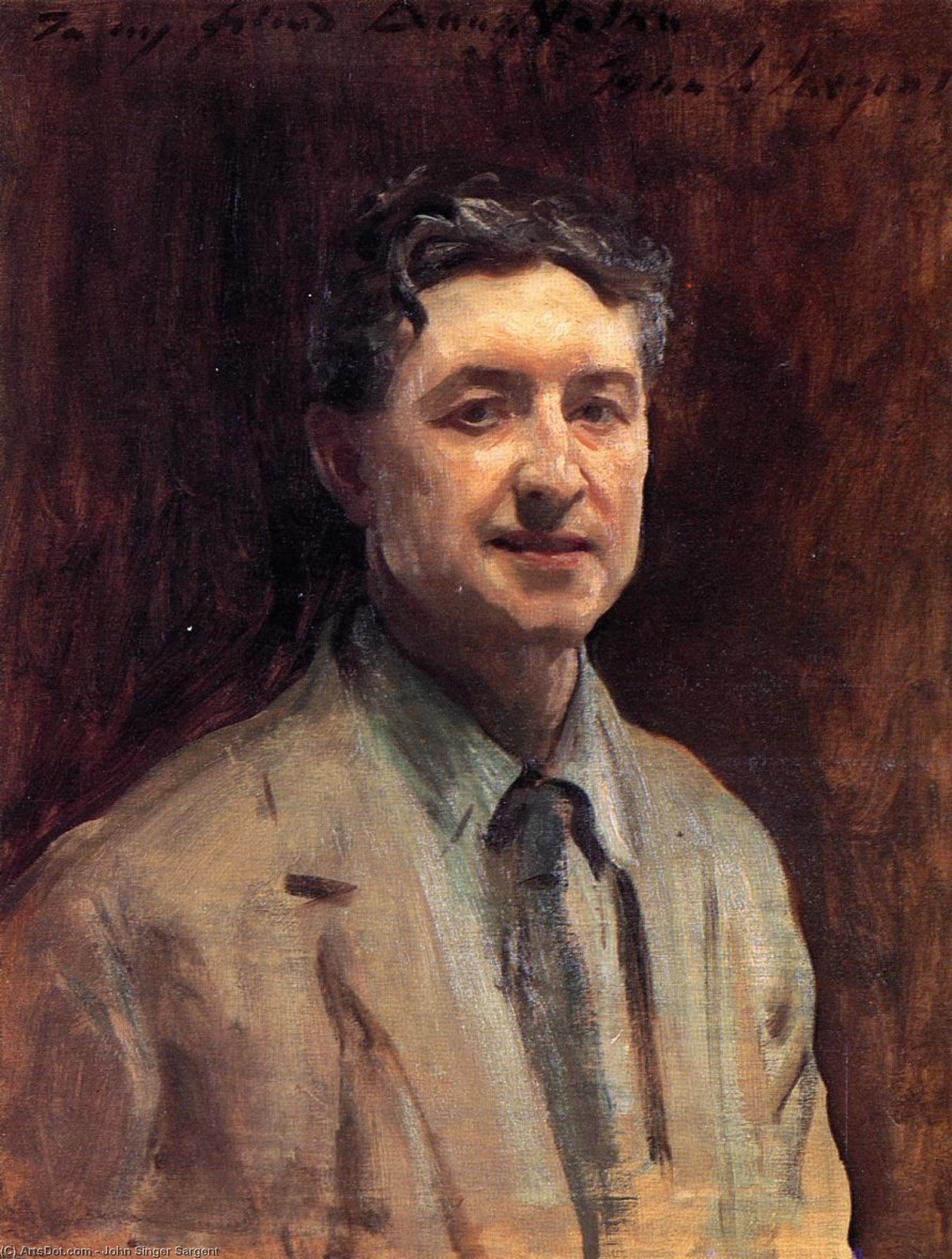
In the quiet corridors of the Parrish Art Museum, there exists a window into a bygone era of poise and understated power. John Singer Sargent’s “Portrait of Daniel J. Nolan,” completed in 1917, is far more than a mere photographic likeness; it is a profound meditation on character and the enduring essence of Victorian masculinity. As one gazes upon this masterpiece, the viewer is immediately struck by the subject's quiet confidence. Nolan, captured with a gentle curiosity in his eyes, seems to bridge the gap between the historical past and the present moment, inviting us into a shared recognition of humanity. The painting serves as a breathtaking testament to an age where sartorial elegance and social decorum were woven into the very fabric of identity.
The subject himself embodies the refined ethos of his time. Dressed in a meticulously rendered dark suit, accented by the crisp, stark white of a formal collar and tie, Nolan stands as a symbol of the era's professional and social stability. His well-groomed beard and mustache anchor him within the traditions of distinguished leadership, suggesting a man of substance and intellect. There is an unmistakable warmth beneath his composed exterior—a subtle facial expression that Sargent masterfully captured to convey both authority and a welcoming spirit, making the portrait feel deeply personal rather than distant or cold.
The Mastery of Light and Realist Precision
To study this work is to witness the pinnacle of Sargent’s technical prowess. While many of his contemporaries were drifting toward the fleeting, blurred edges of Impressionism, Sargent chose a path of Realism for this portrait, prioritizing textural richness and structural accuracy. He employed painstakingly layered oil paints to create a surface that feels almost tactile. One can almost feel the heavy weight of the wool in Nolan's suit and the smooth, starched texture of his linen collar. This deliberate decision to eschew loose brushwork in favor of precision allows the light to play across the canvas in a way that feels organic and alive.
The artist’s use of light is nothing short of transformative. Bathed in a soft, luminous glow, the portrait possesses a subtle radiance that illuminates the contours of Nolan's face, highlighting the fine details of his features with incredible delicacy. This interplay of light and shadow—the classic chiaroscuro influence—adds a layer of psychological depth to the piece, suggesting the complexities of the man's inner world. For the collector or interior designer, this mastery of illumination ensures that the painting remains a dynamic focal point, capable of shifting in mood depending on the ambient light of a room.
An Enduring Legacy for the Modern Collector
Beyond its historical significance, “Portrait of Daniel J. Nolan” offers an emotional resonance that transcends the early twentieth century. It evokes a sense of nostalgia for a period of structured elegance and quiet strength. For those seeking to curate a space that exudes sophistication, this artwork provides an unparalleled sense of gravitas. Whether placed in a stately library, a professional study, or a contemporary living area, the portrait brings with it an air of timelessness and intellectual depth.
Owning a high-quality reproduction of such a significant work allows one to participate in the preservation of this artistic heritage. It is an opportunity to surround oneself with the brilliance of the Gilded Age—a period defined by its shimmering beauty and social transformation. This painting is not merely a decoration; it is an invitation to contemplate the virtues of dignity, composure, and the enduring power of a well-captured moment in history.