A Portrait of Resilience: Jusepe de Ribera’s “The Clubfooted Boy”
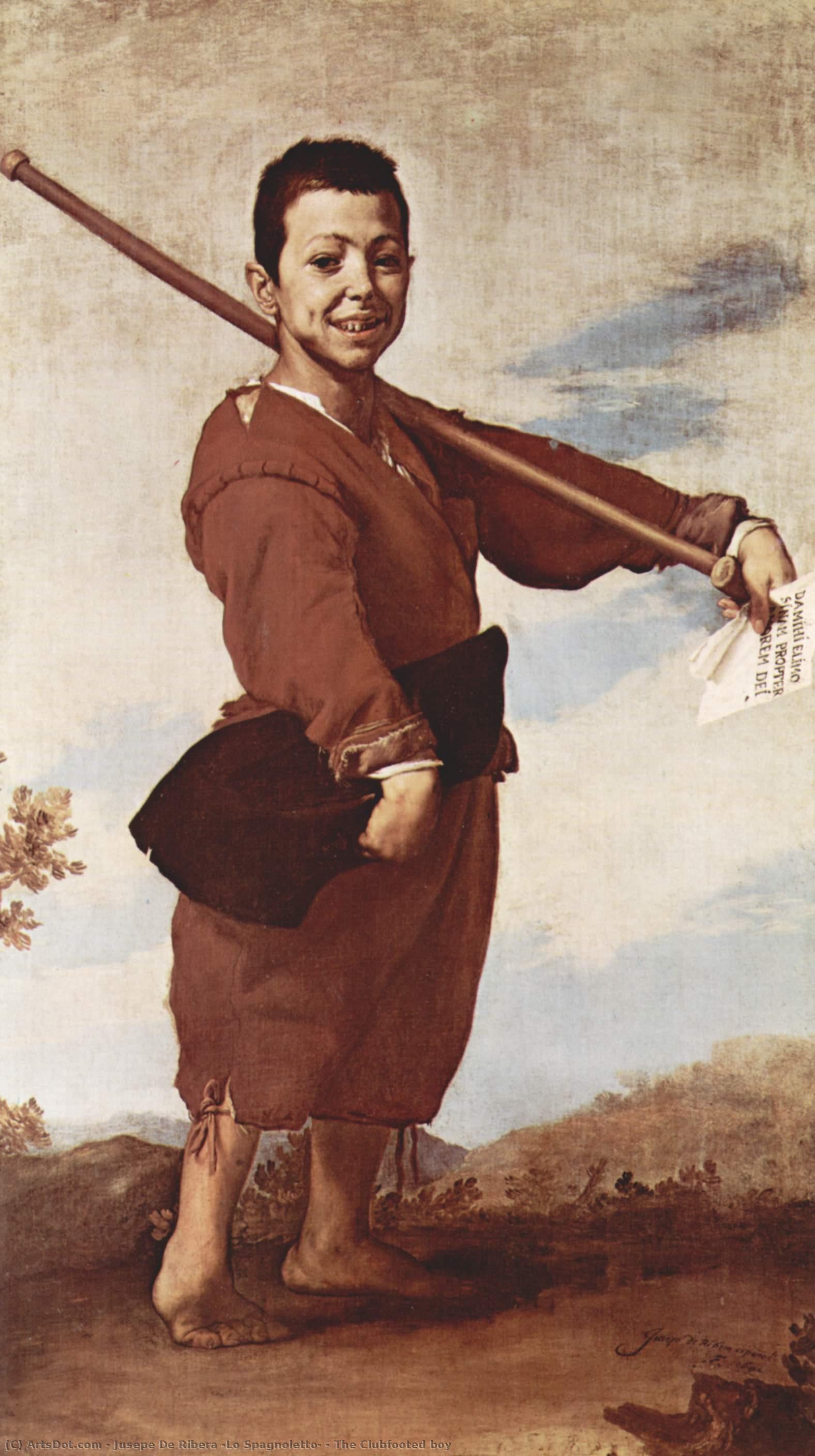
Jusepe de Ribera's "The Clubfooted Boy," painted in 1642, is far more than a simple depiction of a young man with a physical disability. It’s a profound meditation on humanity, faith, and the enduring spirit within us all. Housed within the hallowed halls of the Musée du Louvre, this oil-on-canvas masterpiece offers a glimpse into the intensely personal world of one of Baroque art's most compelling figures – Lo Spagnoletto, as he was known in Italy. The painting immediately draws the viewer in with its dramatic use of light and shadow, a hallmark of Ribera’s signature tenebrism, creating an almost theatrical atmosphere that elevates the subject beyond mere representation.
The central figure, a young Neapolitan boy, stands bathed in a luminous glow, his face tilted upwards with a surprisingly cheerful expression. He is dressed simply in a brown tunic, and holds a large wooden staff over his shoulder – a necessary aid due to his clubfoot. Yet, despite this visible hardship, there’s an undeniable sense of dignity and even playful resilience about him. In his other hand, he clutches a small piece of paper, bearing the Latin inscription “DA MIHI ELEMOSINAM PROPTER AMOREM DEI” (“Give me alms for the love of God”). This plea isn't merely a request for charity; it’s an assertion of humanity, a recognition of shared vulnerability and a call to compassion. The background landscape—rolling hills under a clear sky—provides a serene counterpoint to the boy’s immediate presence, suggesting a world beyond his immediate struggle.
The Shadowed World of Lo Spagnoletto
Jusepe de Ribera's life was inextricably linked with hardship and artistic intensity. Born in Xàtiva, Spain, in 1591, he embarked on a journey that ultimately led him to Naples under Spanish rule – a city that would become his creative sanctuary. His early years were shrouded in some mystery, but it’s clear that Ribera was deeply influenced by the dramatic realism of Caravaggio and the intense spirituality of the Spanish Golden Age. He mastered the art of portraying human suffering with unflinching honesty, often depicting marginalized figures—beggars, lepers, and the disabled – not as objects of pity, but as embodiments of faith and resilience.
Ribera’s move to Naples in 1616 marked a pivotal moment in his career. The city's atmosphere, combined with his artistic temperament, fueled his distinctive style—characterized by stark realism, dramatic lighting, and an emotional depth rarely seen in contemporary art. His workshop flourished, producing a generation of talented artists who carried on his legacy. The signature “Lo Spagnoletto” – "the Little Spaniard" – reflects both his origins and the somewhat solitary nature of his artistic practice.
Technique and Symbolism: A Masterclass in Baroque Drama
Ribera’s technical skill is immediately apparent in “The Clubfooted Boy.” He meticulously rendered every detail—the texture of the boy's tunic, the weathered wood of the staff, the subtle nuances of light and shadow. The use of *chiaroscuro* – the dramatic contrast between light and dark – is particularly effective, drawing attention to the boy’s face and emphasizing his vulnerability while simultaneously creating a sense of depth and atmosphere within the landscape.
Beyond its technical brilliance, the painting is laden with symbolism. The clubfoot itself represents physical limitation, but it also serves as a potent metaphor for human imperfection and the challenges we all face in life. The boy’s cheerful expression suggests an inner strength—a refusal to be defined by his disability. The Latin inscription reinforces this message, framing his plea for alms not as a sign of weakness, but as an act of faith and a recognition of our shared humanity.
A Timeless Reflection on Human Condition
"The Clubfooted Boy" is more than just a beautiful painting; it’s a poignant meditation on the human condition. Ribera's ability to capture both suffering and resilience in this single image speaks volumes about his artistic genius and his profound understanding of the world around him. It remains a powerful reminder that beauty can be found even in adversity, and that compassion is always a worthy cause. ArtsDot’s hand-painted reproductions offer an unparalleled opportunity to experience the emotional depth and technical mastery of this iconic Baroque masterpiece, bringing its timeless message into your home or studio.