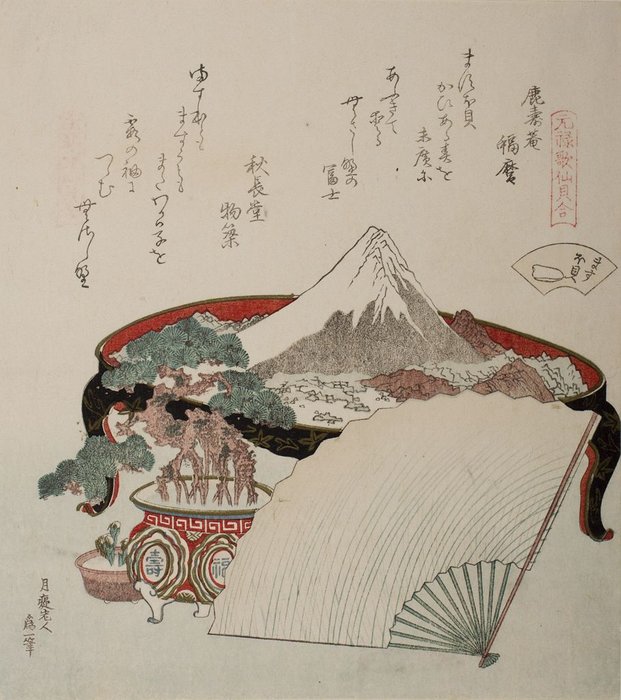
A Window into Edo Japan: Decoding Katsushika Hokusai’s Fuji Basin Scene
The image before you isn't merely a depiction of a mountain landscape; it’s a meticulously crafted snapshot of Edo-period Japan—a testament to the artistic vision of Katsushika Hokusai, arguably the most celebrated printmaker of his era. More than just capturing visual beauty, Hokusai’s *Fuji Basin Scene* speaks volumes about Japanese culture, spirituality, and the artist's profound understanding of how to convey emotion through precise observation and masterful technique. Published as part of his monumental series *Thirty-Six Views of Mount Fuji*, this particular print exemplifies the core principles of ukiyo-e—woodblock printing—a medium that revolutionized visual art in Japan during the mid-19th century.
- Style and Technique: Hokusai’s approach was revolutionary for its time. He employed a technique known as *hokuyo-hanga*, which prioritized capturing atmospheric perspective with remarkable accuracy. Notice how the distant Fuji mountain appears hazy and muted, gradually diminishing in detail as it recedes into the background—a deliberate illusion created by layering thin washes of Prussian blue pigment onto the woodblock surface. This masterful manipulation of color contributes significantly to the overall mood of serenity and grandeur.
- Historical Context: The Edo period (1603-1868) was a time of unparalleled stability and economic prosperity under Tokugawa rule, fostering an environment conducive to artistic innovation. However, it also witnessed a growing fascination with nature—a trend reflected in the widespread popularity of landscape prints like *Fuji Basin Scene*. These images weren’t simply decorative; they served as conduits for contemplation and connection with the divine.
- Symbolism: Beyond its aesthetic qualities, the print is laden with symbolic significance. The prominent umbrella represents protection from misfortune—a common motif in Japanese art reflecting anxieties about mortality and the cyclical nature of existence. The figures depicted – a farmer, a pilgrim, and travelers – represent the diverse strata of Edo society, highlighting the importance of everyday life alongside spiritual aspiration.
The British Museum’s reproduction captures the essence of Hokusai's original masterpiece,* offering exceptional color fidelity and detail. Its dimensions allow for impressive framing options, bringing this iconic image into any interior space and transporting viewers back to a bygone era of artistic brilliance.
Exploring Further: The Influence of Impressionism
Interestingly, Hokusai’s groundbreaking use of atmospheric perspective foreshadowed developments in Western art decades later. Artists like Claude Monet and Eugène Boudin were captivated by the Japanese printmaking tradition—particularly its ability to convey fleeting moments of beauty and emotion—inspiring them to experiment with similar techniques in their own landscapes. The *Fuji Basin Scene* stands as a tangible link between East and West, demonstrating how artistic ideas can transcend geographical boundaries.
A Timeless Vision: Emotional Resonance
Ultimately, *Fuji Basin Scene* transcends its technical achievements to evoke a profound sense of tranquility and awe. The artist’s careful composition—the deliberate placement of figures against the monumental backdrop of Mount Fuji—creates a visual narrative that invites contemplation. It's a piece that speaks to our innate desire for connection with nature and reminds us of the enduring power of art to capture and communicate human experience across cultures and generations.