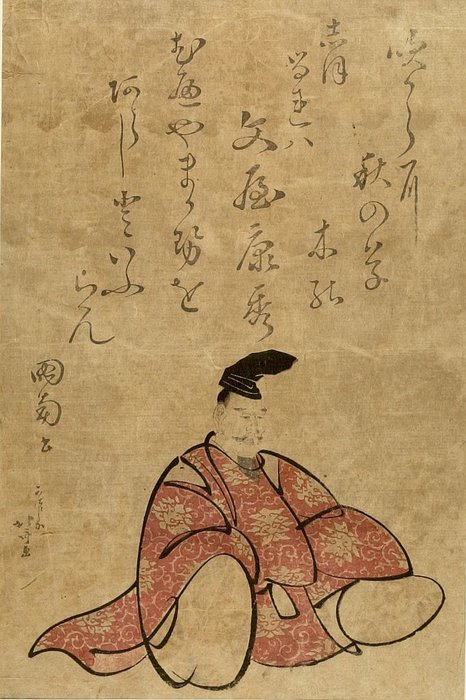
Katsushika Hokusai
Late Edo Period
A Life Etched in Ink: The World of Katsushika Hokusai
Hokusai, a name synonymous with Japanese art and the iconic image of *The Great Wave off Kanagawa*, was far more than just a printmaker. Born in Edo (modern-day Tokyo) around 1760, his life was a restless pursuit of artistic mastery, a constant evolution marked by shifting names and an insatiable curiosity.
Late Edo Period: A Meditation on Tranquility
Katsushika Hokusai’s “Late Edo Period” transcends mere visual representation; it embodies the spirit of a bygone era—a time of profound contemplation and artistic innovation within Japan. This captivating painting, depicting a solitary man seated in repose amidst a subtly rendered landscape, offers a glimpse into the aesthetic sensibilities of the late 18th century.
- Subject Matter: The central figure embodies stillness – a man absorbed in thought or perhaps simply enjoying a moment of quiet reflection. His posture speaks volumes about the values prioritized during this period: harmony, introspection, and an appreciation for natural beauty.
- Style & Technique: Executed in the distinctive ukiyo-e style (woodblock printing), “Late Edo Period” showcases Hokusai’s masterful command of perspective and tonal gradation. The artist skillfully employs Prussian blue pigment—a revolutionary import from Europe—to achieve breathtaking realism within the confines of traditional printmaking techniques.
- Historical Context: Created during the Edo period (1603-1868), Japan experienced unprecedented stability under Tokugawa rule, fostering a flourishing artistic environment. However, beneath the veneer of imperial grandeur lay anxieties about societal change and an increasing fascination with Western influences. Hokusai’s work reflects this duality—embracing both Eastern traditions and burgeoning modernity.
- Symbolism: The inclusion of a simple bowl adds another layer of meaning. Bowls were commonly used in Zen Buddhism for serving tea ceremonies, symbolizing purity, mindfulness, and the pursuit of enlightenment. Similarly, the book suggests intellectual curiosity and engagement with philosophical ideas—values central to Edo-period culture.
- Emotional Impact: “Late Edo Period” evokes a feeling of serene contemplation. The muted palette and careful composition invite viewers into a space of inner peace, mirroring the spiritual aspirations of its time. It’s a piece that speaks to our own desire for respite from the complexities of contemporary life—a timeless reminder of the beauty found in simplicity and quiet observation.
Explore this evocative artwork reproduction on ArtsDot.com for a stunning addition to your collection or interior design.