Hokusai
230 characters
This JSON response provides a concise meta description for ArtsDot.com about Katsushika Hokusai’s Manga Vol. 6 artwork. It highlights the artistic significance of the print, its inspiration from Hokusai's style, and emphasizes the broader impact on art history.
Explore Katsushika Hokusai's 'Manga Vol. 6,' a stunning woodblock print capturing majestic horses and inspired
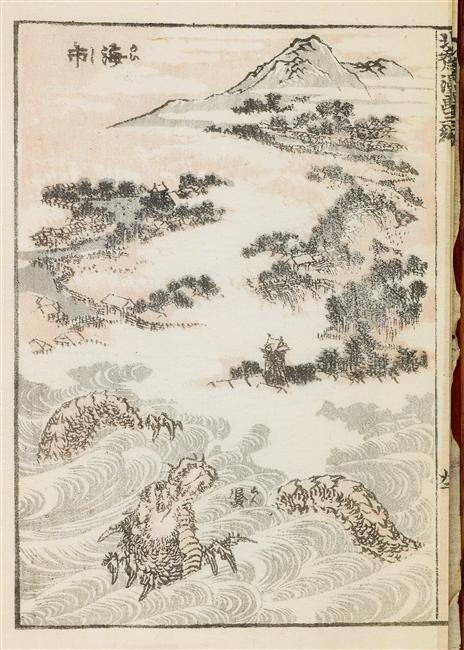
A Window into Edo Japan Through Landscape and Dragon
Katsushika Hokusai’s *Manga*, published between 1814 and 1878, transcends mere visual representation; it embodies the spirit of Edo-period Japan—a realm grappling with tradition and burgeoning modernity. This monumental collection of woodblock prints isn't simply a depiction of mountainous scenery; it’s an exploration of Buddhist cosmology and artistic innovation that continues to captivate audiences today.
- Artist: Katsushika Hokusai (1760-1849) – A titan of Ukiyo-e, renowned for his iconic *Thirty-Six Views of Mount Fuji*, Hokusai relentlessly pursued artistic mastery throughout his extraordinarily long life.
- Style: The prints exemplify the Hokkusai School’s distinctive aesthetic—characterized by bold outlines, vibrant colors achieved through Prussian blue pigment (a revolutionary import from Europe), and a masterful command of perspective that anticipates Impressionism decades later.
- Technique: Hokusai employed meticulous carving techniques on cherry blossom paper, utilizing multiple blocks to create layered textures and tonal variations. The printing process itself was painstakingly controlled, ensuring exceptional detail and luminosity.
The Symbolism of Mountain Landscape and Dragon
Mount Fuji dominates the panorama of *Manga*, representing not just a physical landmark but also spiritual significance—a sacred mountain revered as a symbol of stability and immortality within Buddhist beliefs. The artist’s deliberate framing emphasizes this grandeur, inviting contemplation on themes of permanence amidst change.
Furthermore, dragons – prominent figures throughout the series – hold profound symbolic weight in Japanese culture. They embody power, wisdom, and benevolent protection—often depicted battling demons to safeguard humanity. Hokusai skillfully integrates these creatures into the landscape, suggesting a harmonious balance between earthly beauty and divine influence.
Historical Context: Edo Period Innovation
*Manga* emerged during Japan’s Edo period (1603-1868), a time of unprecedented economic prosperity and artistic flourishing under Tokugawa rule. However, this era was also marked by strict social hierarchies and censorship—a paradoxical environment that fostered both conservative traditions and daring experimentation.
Hokusai's willingness to embrace new pigments like Prussian blue – a serendipitous discovery during his travels – exemplifies this spirit of innovation. It signaled a departure from conventional artistic practices and established Hokusai as a pioneer whose work profoundly impacted subsequent generations of artists, influencing movements such as Impressionism in Europe.
Emotional Resonance: Tranquility Amidst Turbulence
Despite the turbulent political landscape of its time, *Manga* exudes an aura of serene beauty. The carefully crafted compositions and subtle tonal gradations evoke a feeling of contemplative stillness—encouraging viewers to immerse themselves in the grandeur of nature and contemplate its enduring power.
Ultimately, Hokusai’s *Manga* remains a testament to the transformative potential of art—a captivating glimpse into Edo Japan that continues to inspire awe and wonder centuries later. Its meticulous detail and masterful execution serve as an enduring reminder of the brilliance of one of history's greatest artistic visionaries.