Katsushika Hokusai
A Life Etched in Ink: The World of Katsushika Hokusai
Hokusai, a name synonymous with Japanese art and the iconic image of *The Great Wave off Kanagawa*, was far more than just a printmaker. Born in Edo (modern-day Tokyo) around 1760, his life was a restless pursuit of artistic mastery, a constant evolution marked by shifting names and an insatiable curiosity. From humble begi
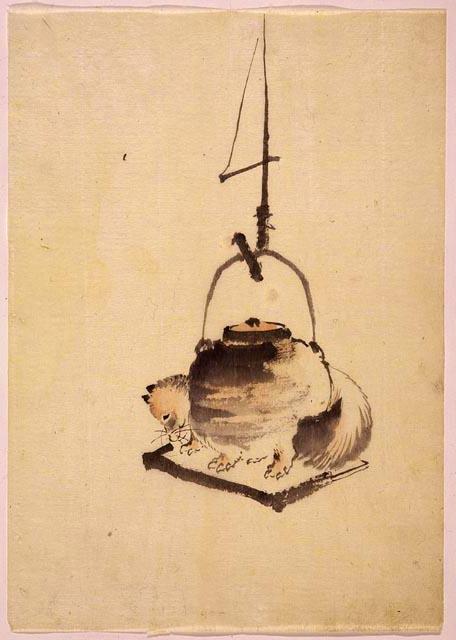
A Window Into Edo Japan: Exploring Katsushika Hokusai’s Tanuki
The image before you is not merely a depiction of an animal; it's a portal into the vibrant tapestry of Edo Japan, captured with breathtaking precision by the legendary Katsushika Hokusai. Born in Tokyo around 1760, Hokusai wasn’t destined for artistic acclaim from birth – his father, Nakajima Ise, was a mirror maker, prioritizing practicality over creative pursuits. Yet, young Hokusai possessed an unwavering passion for drawing, reportedly beginning his artistic journey at the tender age of six, demonstrating a remarkable tenacity that would characterize his entire life. This dedication wouldn’t be recognized until later in his career when he adopted the pseudonym “Hokusai,” signifying a deliberate effort to elevate his artistic reputation and solidify his place within Japanese art history.
- Subject Matter: The artwork centers around a tanuki – a raccoon dog revered in folklore as a mischievous spirit capable of shapeshifting, embodying traits of cunningness, generosity, and transformation.
- Style: Hokusai’s style is unmistakably Ukiyo-e, the “pictures of the floating world,” a genre that flourished during Edo Japan and celebrated everyday life alongside mythological and fantastical elements. This particular piece exemplifies the stylistic hallmarks of Hokusoa's mature period, characterized by bold outlines, flattened perspective, and an emphasis on capturing atmospheric conditions.
Technique: Mastering Prussian Blue – A Revolutionary Innovation
What distinguishes this artwork from countless others produced during its time is the masterful use of Prussian blue pigment—a color that arrived in Japan around 1830, thanks to European trade routes. Prior to this breakthrough, Japanese artists relied on pigments derived from minerals like azurite and lapis lazuli, which were expensive and difficult to obtain. The introduction of Prussian blue fundamentally altered the artistic landscape, allowing Hokusai’s assistants to achieve unprecedented tonal depth and luminosity—particularly noticeable in the depiction of the turbulent sea foam surrounding the pot. This pigment wasn't simply a convenient substitute; it represented a significant advancement in color science and profoundly impacted the aesthetic sensibilities of the era. The careful blending and layering of Prussian blue created an illusion of movement and texture, mirroring the dynamism of nature itself.
Historical Context: Reflections on Change Amidst Tradition
The painting’s setting—a simple pot perched atop a pole—holds symbolic significance within Edo society. Pots were commonly used in tea ceremonies, representing harmony and refinement – values deeply ingrained in Japanese culture. However, the inclusion of a bird adds an element of unpredictability, hinting at the anxieties surrounding rapid modernization and Western influence that gripped Japan during Hokusai’s lifetime. The artist's deliberate choice to juxtapose these contrasting symbols speaks volumes about his understanding of the complexities inherent in navigating cultural transitions. It’s a visual meditation on preserving tradition while acknowledging the forces reshaping the world around him.
Symbolism: Beyond Appearance – Layers of Meaning
Beyond its immediate visual appeal, *Tanuki* is laden with symbolism rooted in Japanese folklore and Buddhist philosophy. The tanuki itself embodies adaptability and transformation—a quality admired as a counterbalance to rigid dogma. Its association with prosperity and good fortune underscores the desire for stability amidst uncertainty. Furthermore, the bird symbolizes vigilance and spiritual awareness, reminding viewers of the importance of contemplation and inner peace. These subtle yet powerful emblems elevate the artwork beyond mere representation, inviting interpretation and fostering a deeper appreciation for its cultural heritage.
Emotional Impact: Capturing Transient Beauty
Ultimately, *Tanuki* succeeds in conveying a profound emotional resonance—a fleeting glimpse into Edo Japan’s aesthetic ideals. The artist's meticulous attention to detail captures the essence of impermanence, mirroring the Buddhist concept of *mujō*, reminding us that all things are destined for change. Yet, amidst this awareness of decay lies an undeniable celebration of beauty—the serene stillness of the pot contrasted with the energetic swirl of the sea foam creates a captivating visual experience that lingers in the mind long after viewing. It’s a testament to Hokusai's genius: he didn’t simply depict a scene; he evoked a feeling, transporting viewers back to a bygone era and prompting reflection on enduring themes of harmony, transformation, and the sublime.