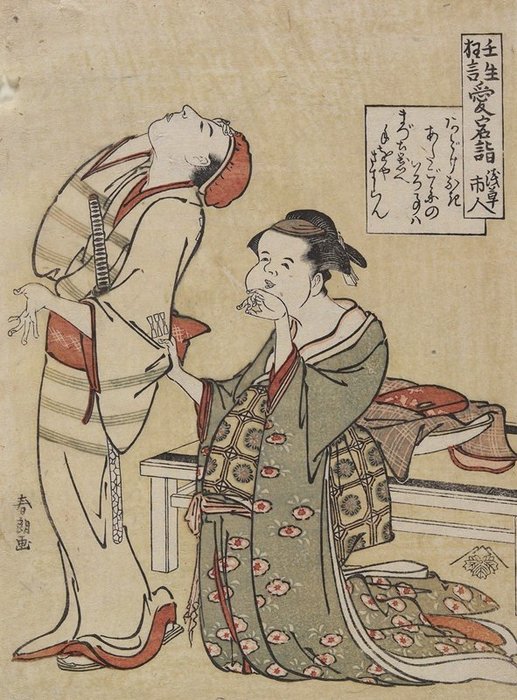
Visiting Atago Shrine: A Moment Frozen in Time
Katsushika Hokusai’s “Visiting Atago Shrine” isn't merely a depiction of a temple; it’s an encapsulation of Edo-period Japan—a snapshot of ritual, contemplation, and the subtle interplay between humanity and nature. Created around 1790 during Hokusai’s prolific output as part of his monumental *Thirty-Six Views of Mount Fuji*, this woodblock print transcends its immediate subject matter to speak to universal themes of reverence and observation.
- Subject Matter: The artwork portrays a serene scene featuring two figures—likely a man and woman—engaged in a quiet ritual at Atago Shrine, a venerated Shinto shrine dedicated to Amitabha Buddha. Their posture exudes stillness and solemnity, reflecting the importance of pilgrimage and spiritual devotion within Japanese culture.
- Style: Characteristic of Hokusai’s distinctive Ukiyo-e style, “Visiting Atago Shrine” embodies precision and elegance. The flattened perspective—a hallmark of the genre—emphasizes the central figures against a backdrop of stylized foliage and distant mountain peaks, creating a harmonious balance between detail and abstraction.
- Technique: Hokusai’s mastery lies in his meticulous carving of woodblocks followed by the application of vibrant pigments using a technique known as *nishiki-e*. This method allows for rich color gradations and textural nuances—particularly evident in the patterned kimono worn by one of the figures—adding depth and visual interest to the composition.
Symbolism: Gesture and Reverence
Beyond its formal aesthetic qualities, “Visiting Atago Shrine” is laden with symbolic significance. The woman’s upward gaze—a gesture frequently found in Buddhist iconography—represents aspiration and devotion, mirroring the spiritual quest inherent in pilgrimage. This visual motif resonates across cultures, recalling depictions of saints elevating their eyes towards divine light – a timeless expression of faith.
Furthermore, the man seated at a table suggests an act of sustenance—a ritual gesture that connects individuals to the earth and reinforces the notion of shared experience. These seemingly simple elements contribute to a larger narrative about human connection with the sacred and the beauty of natural surroundings.
Historical Context: Edo Period Aesthetics
"Visiting Atago Shrine" exemplifies the aesthetic sensibilities of the Edo period (1603-1868), Japan’s golden age of artistic innovation. During this era, Ukiyo-e flourished as a popular art form catering to both aristocratic patronage and urban audiences. Artists like Hokusai sought to capture fleeting moments of beauty—often inspired by nature—and imbue them with spiritual resonance.
The print’s muted color palette—dominated by earthy tones accented by brighter hues in the kimono—reflects a preference for understated elegance and harmony, aligning perfectly with Edo-period ideals. It stands as a testament to Hokusai's ability to distill complex emotions and spiritual concepts into visually arresting images.
Emotional Impact: Tranquility and Contemplation
“Visiting Atago Shrine” evokes a profound sense of tranquility and contemplation. The careful composition—the balanced lines, the subdued colors—promotes stillness and invites viewers to immerse themselves in the scene’s serene atmosphere. Like many masterpieces of Japanese art, it speaks to our innate desire for beauty and spiritual connection—a legacy that continues to inspire artists and collectors alike.