Kazimir Malevich: A Pioneer of Abstract Art
Kazimir Severinovich Malevich stands as a monumental figure in the history of art, recognized for initiating Suprematism—a revolutionary movement that fundamentally altered perceptions of artistic expression. Born in Kyiv Oblast, Ukraine in 1878 to Polish parents, Malevich’s formative years instilled within him an appreciation for Ukrainian folk traditions alongside a burgeoning fascination with European avant-garde currents.
The Genesis of Suprematism
Malevich's artistic journey began with explorations encompassing Impressionism, Symbolism, Fauvism, and Cubism. However, his pivotal encounter with Parisian art in 1912 proved transformative, propelling him toward a radical departure from representational imagery. Driven by an unwavering conviction that painting should transcend mere imitation of the visible world, Malevich embarked on a quest for pure abstraction—a pursuit culminating in the birth of Suprematism.
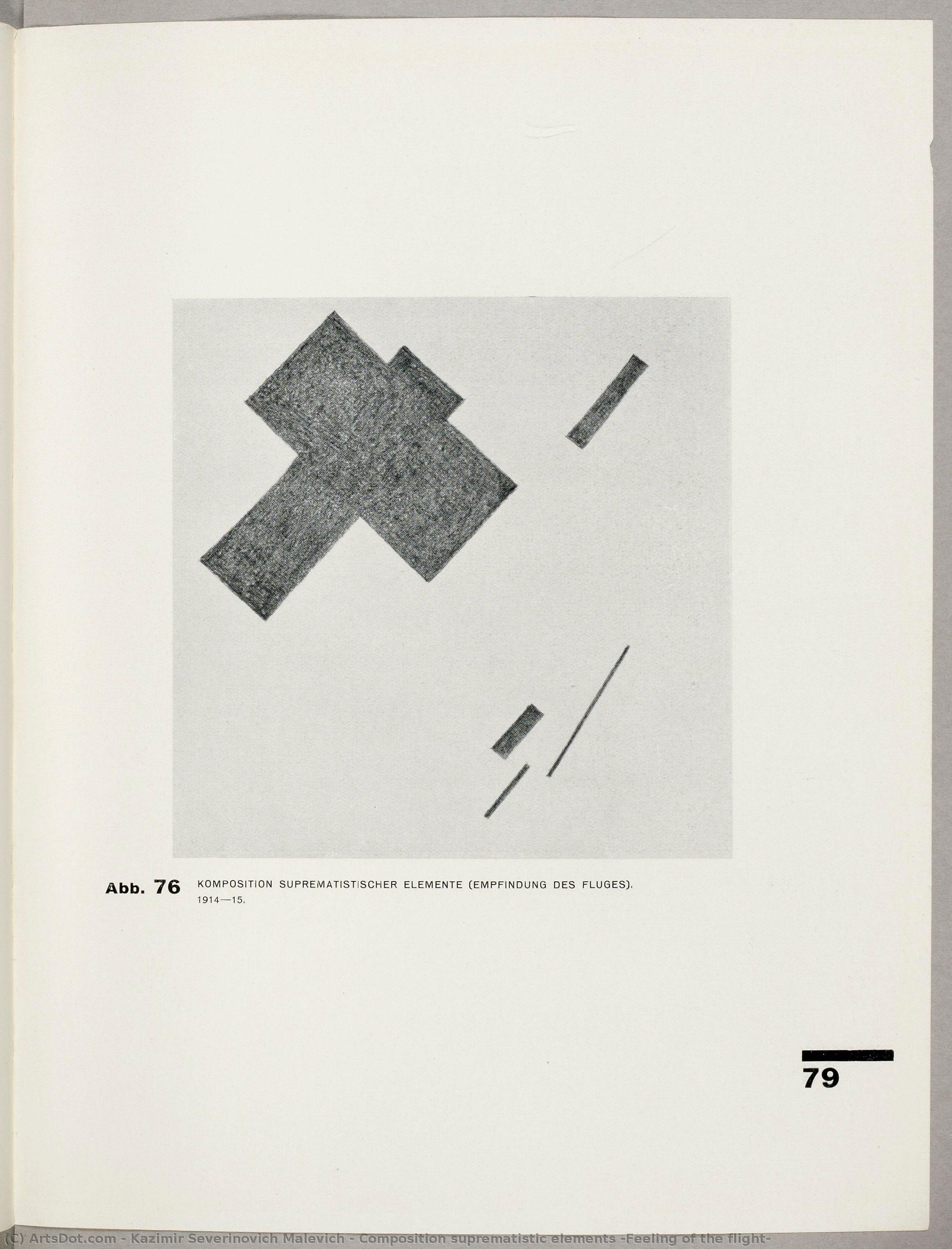
“Composition suprematistic elements (Feeling of the flight)” – A Bold Statement
"Composition suprematistic elements (Feeling of Escape)" embodies this audacious vision. Created in 1927, it’s a striking monochrome composition featuring two intersecting geometric shapes—primarily rectangles and lines—against a stark white background. This seemingly simple arrangement belies its profound significance as a cornerstone of Suprematism's aesthetic principles.
- Style: Suprematism – Characterized by uncompromising geometric abstraction, rejecting illusionistic depth and prioritizing the fundamental elements of form (line, plane, color).
- Technique: Malevich employed precise graphic design techniques utilizing ink on paper, achieving remarkable clarity and textural subtlety.
- Historical Context: Produced during the height of the Russian avant-garde movement, “Composition suprematistic elements” reflects the broader intellectual climate of its time—a desire to liberate art from traditional constraints and embrace a new form of visual expression rooted in philosophical concepts like ‘zaum’ (transrational language).
Symbolism and Emotional Resonance
Beyond its formal qualities, “Composition suprematistic elements” communicates an intangible feeling—a sensation of upward movement and liberation. The intersecting lines evoke a dynamic tension, mirroring the artist's ambition to capture not just visual form but also spiritual essence. Malevich’s intention was to bypass sensory perception altogether, conveying emotion directly through pure geometric abstraction.
A Legacy of Innovation
"Composition suprematistic elements (Feeling of Escape)" stands as a testament to Malevich's unwavering commitment to artistic experimentation and his pioneering role in shaping the trajectory of modern art. Its enduring appeal lies in its ability to inspire contemplation and provoke dialogue about the relationship between art, consciousness, and the universe—a legacy that continues to resonate with artists and collectors alike.