Kazimir Malevich’s “Portrait”: A Window into Suprematism's Soul
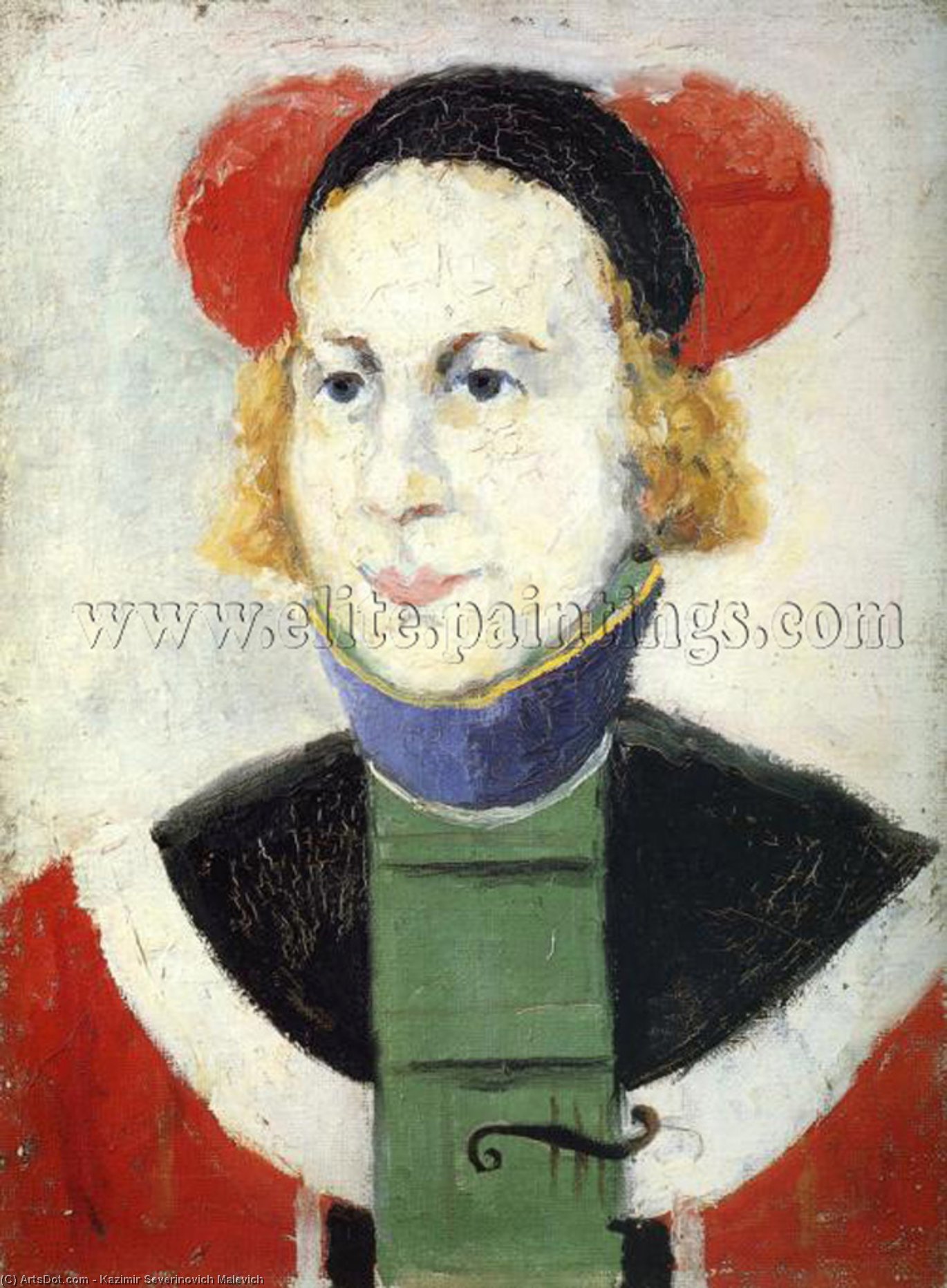
Kazimir Malevich’s “Portrait,” painted in 1932, stands as a cornerstone of Russian avant-garde art and embodies the radical principles of Suprematism – a movement he founded that sought to liberate painting from representational illusion. This striking piece isn’t merely a depiction of a man; it's an exploration of pure geometric form and emotional resonance, reflecting Malevich’s profound belief in the transformative power of abstraction. The artwork itself is housed within a rectangular frame measuring 34 x 25 cm, offering a concentrated visual experience that invites contemplation on its minimalist aesthetic.
- Subject Matter: The portrait focuses intently on the face of an individual, capturing his gaze and expression with remarkable precision despite the absence of detailed features.
- Style: Malevich’s approach aligns squarely with Suprematism – a movement that rejected traditional artistic conventions in favor of pure geometric abstraction. It's characterized by simplified shapes—primarily squares and rectangles—arranged to create harmonious compositions.
- Technique: Painted with meticulous attention to detail, “Portrait” utilizes a technique rooted in classical painting traditions but reimagined through the lens of abstract thought. The artist employs a muted palette dominated by greens and blues, creating an atmosphere of calm contemplation.
Historical Context & Suprematism’s Ideals
Painted during the turbulent years following the Russian Revolution (1917), “Portrait” reflects Malevich's fervent desire to express spiritual truths beyond the confines of materialism. Suprematism emerged as a reaction against Cubism and Futurism, rejecting perspectival illusion and striving for an art that communicated directly with the viewer’s subconscious mind. Malevich envisioned geometric forms – particularly the black square – as symbols of universal harmony and liberation from sensory distractions. This portrait isn't just about capturing likeness; it’s about embodying these fundamental ideals.
- Symbolism: The geometric shapes—the jacket, collar, hat—are deliberately devoid of ornamentation, emphasizing their purity and simplicity. They represent a rejection of bourgeois values and an embrace of spiritual contemplation.
- Emotional Impact: Despite its austere appearance, “Portrait” possesses a palpable emotional depth. Malevich’s masterful use of color and composition conveys a sense of quiet dignity and introspection—a testament to the enduring power of abstract art to evoke profound feelings.
Beyond Representation: A Legacy of Minimalism
“Portrait” exemplifies Malevich's groundbreaking contribution to art history, establishing him as one of the pioneers of modern abstraction. Its influence extends far beyond Suprematism itself, inspiring generations of artists who sought to distill visual experience into its most essential elements. Consider how this artwork resonates with contemporary interior design trends—its understated elegance and geometric precision aligning perfectly with minimalist aesthetics. Reproductions of “Portrait” offer a captivating opportunity to bring Malevich’s vision into your home, fostering contemplation and celebrating the beauty of pure form.