Kazimir Malevich (1878-1935): Ukrainian founder of Suprematism & pioneer of abstract art. Explore iconic works like Black Square, geometric forms, & pure feeling's impact on 20thC art.
A Bold Vision of Geometric Supremacy: Exploring Kazimir Malevich’s Self Portrait 2
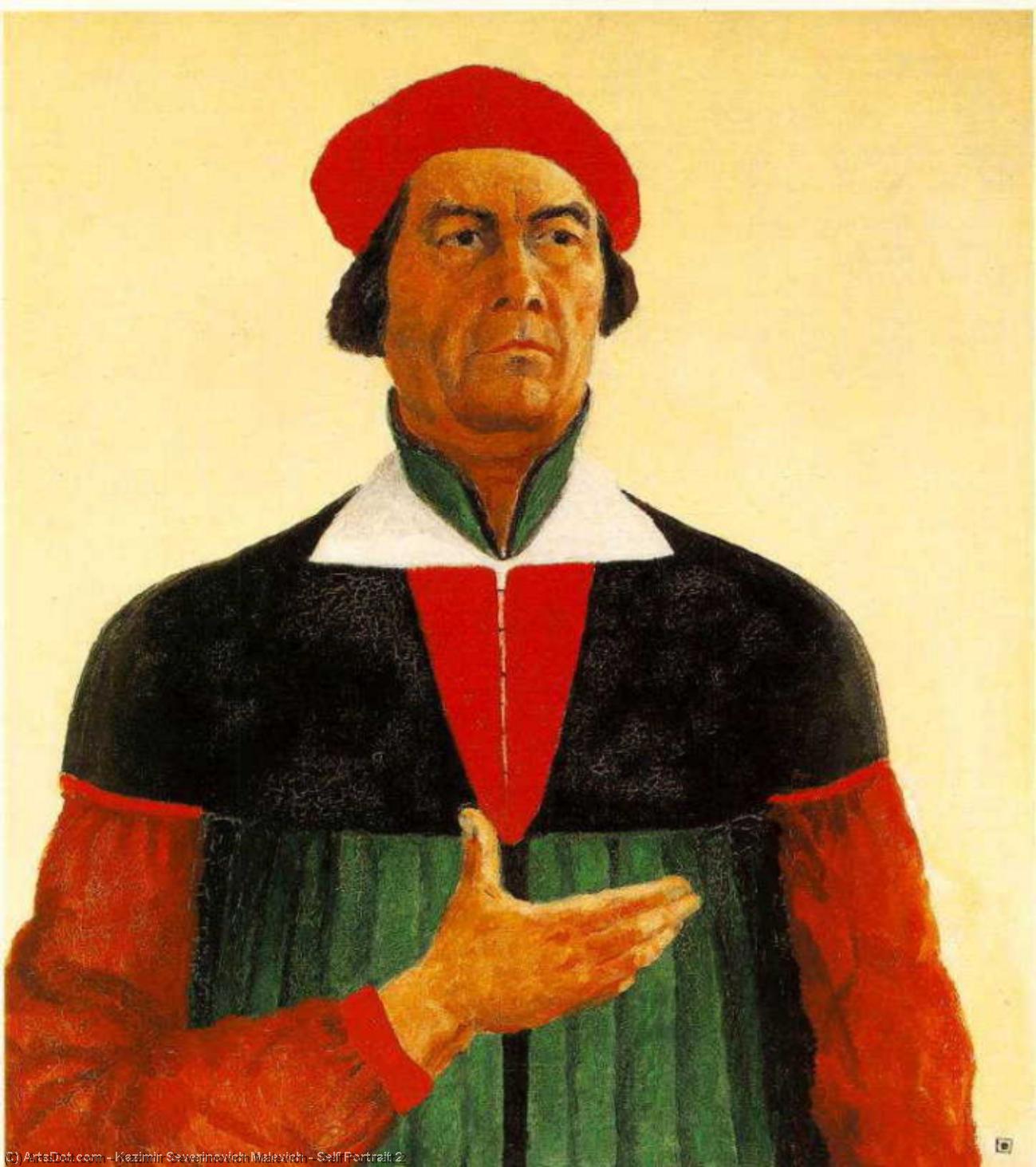
Kazimir Severinovich Malevich stands as a monumental figure in the history of abstract art, forever altering our perception of artistic expression. His seminal work, “Self Portrait 2,” transcends mere representation; it embodies the core tenets of Cubism and heralds the dawn of Suprematism—a revolutionary movement that prioritized pure geometric forms over any illusionistic depiction of reality. Created around 1915, this oil painting resides within the esteemed Kunstmuseum Bern, Switzerland, serving as a cornerstone of its impressive collection dedicated to avant-garde art movements.
The Essence of Cubist Fragmentation
Malevich’s artistic journey began with explorations into Impressionism, Symbolism, Fauvism, and crucially, Cubism. The Parisian encounter of 1912 proved transformative, immersing him in the burgeoning intellectual fervor surrounding Picasso and Georges Braque—artists who pioneered a radical new approach to visual art. Like his contemporaries, Malevich dismantled traditional perspective and compositional conventions, opting instead for fragmented planes and multiple viewpoints simultaneously presented on canvas. This technique isn’t merely stylistic; it reflects a profound philosophical shift toward challenging established notions of space and form. “Self Portrait 2” exemplifies this fragmentation brilliantly—the artist's face is dissected into geometric shapes, mirroring the broader Cubist preoccupation with dissecting visual experience.
Color as Declarative Expression
Beyond structural innovation, Malevich’s palette contributes significantly to the painting’s emotive power. Bold hues dominate the composition – primarily reds and whites – deliberately chosen to convey a sense of urgency and spiritual intensity. These colors aren't used descriptively; they serve as expressive symbols, mirroring the artist’s desire to communicate ideas rather than simply capturing appearances. The stark contrast between red and white underscores Malevich’s belief in the primacy of color as a vehicle for conveying emotion and intellect—a concept central to Suprematism’s philosophical underpinning.
Symbolism Within Geometric Form
The prominent white cross emblazoned on Malevich's hat is more than just an accessory; it functions as a potent visual symbol representing faith and spiritual purity – concepts deeply ingrained in Russian Orthodox tradition, which profoundly influenced Malevich’s worldview. This deliberate inclusion elevates “Self Portrait 2” beyond mere geometric abstraction, imbuing it with layers of cultural significance. It speaks to the artist's yearning for transcendence and his conviction that art could serve as a conduit for spiritual contemplation.
A Legacy Enduring Inspiration
“Self Portrait 2,” alongside works by Picasso’s Dora Maar and Leger’s Smokers, demonstrates the pervasive influence of Cubist techniques across European artistic circles during this period. These artists sought to liberate painting from representational constraints, mirroring Malevich's pioneering spirit. Reproductions of “Self Portrait 2” are available on ArtsDot.com, offering art enthusiasts and collectors alike the opportunity to experience firsthand the transformative power of geometric abstraction—a legacy that continues to inspire creativity and provoke contemplation today.