Kazimir Malevich (1878-1935): Ukrainian founder of Suprematism & pioneer of abstract art. Explore iconic works like Black Square, geometric forms, & pure feeling's impact on 20thC art.
The Radical Geometry of Suprematism
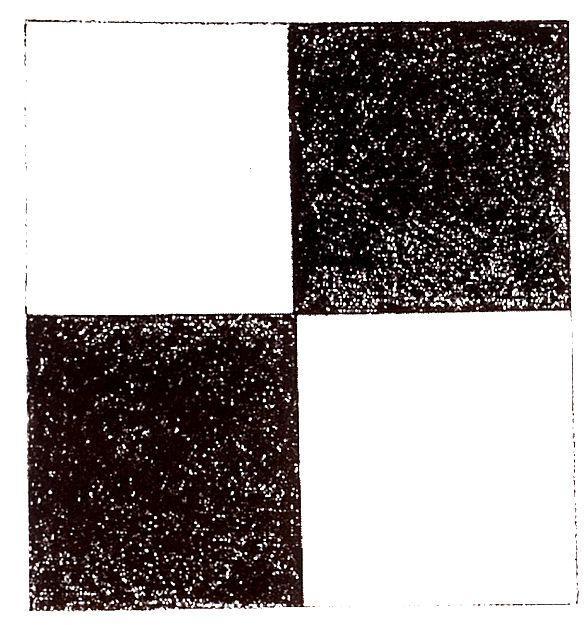
Kazimir Malevich’s “Suprematic Group,” painted in 1920, stands as a cornerstone of abstract art and a testament to the revolutionary spirit of its time. This deceptively simple composition—four squares arranged in a grid against a stark white background—holds profound significance beyond its visual appeal. It represents more than just geometric shapes; it embodies Malevich’s audacious ambition to liberate painting from representational illusion, prioritizing pure feeling and intellectual contemplation.
A Departure From Tradition
Before embarking on his groundbreaking Suprematist explorations, Malevich honed his skills in Impressionism, Symbolism, Fauvism, and Cubism—styles that were still firmly rooted in depicting the observable world. However, a transformative journey to Paris in 1912 irrevocably altered his artistic trajectory. Witnessing the dynamism of European avant-garde movements fueled his desire for something radically different – an art form divorced from any reference to external reality. This yearning culminated in Suprematism, where he sought to distill painting down to its most fundamental elements: geometric forms and color.
Technique and Material Considerations
The execution of “Suprematic Group” speaks volumes about Malevich’s artistic vision. Likely created using oil paint on canvas—a technique consistent with his broader oeuvre—the artwork demonstrates a deliberate restraint in materiality. The grainy texture of the brown squares hints at the physicality of the pigment applied, grounding the abstract concept in tangible reality. Careful consideration was given to color palettes; the monochrome scheme – predominantly shades of brown against white – serves not only as an aesthetic choice but also as symbolic representation of spiritual purity and transcendence.
Symbolism Beyond Form
The four squares themselves are imbued with potent symbolism. Malevich viewed them as representing the “holy square,” a visual embodiment of cosmic order and unity—a concept deeply rooted in Orthodox Christianity. By eliminating any illusionistic depiction, Malevich aimed to bypass the sensory experience altogether, inviting viewers to engage directly with their intellect and intuition. The grid structure reinforces this idea of stability and harmony, mirroring the underlying principles of Suprematism’s philosophical underpinning.
Emotional Resonance and Artistic Legacy
“Suprematic Group” transcends mere visual aesthetics; it evokes a feeling of quiet contemplation and intellectual curiosity. Its stark simplicity confronts viewers with the challenge to perceive beauty not in imitation but in essence—to appreciate art for its ability to communicate profound ideas without resorting to conventional imagery. Malevich’s influence extends far beyond his own lifetime, inspiring generations of artists who continue to grapple with questions of abstraction and artistic expression. Reproductions of this iconic artwork offer a captivating glimpse into the genesis of modern art and invite viewers to contemplate the enduring power of geometric form to convey emotion and intellect.