A Moment of Divine Grace: Unveiling Leonardo’s ‘Baptism of Christ’
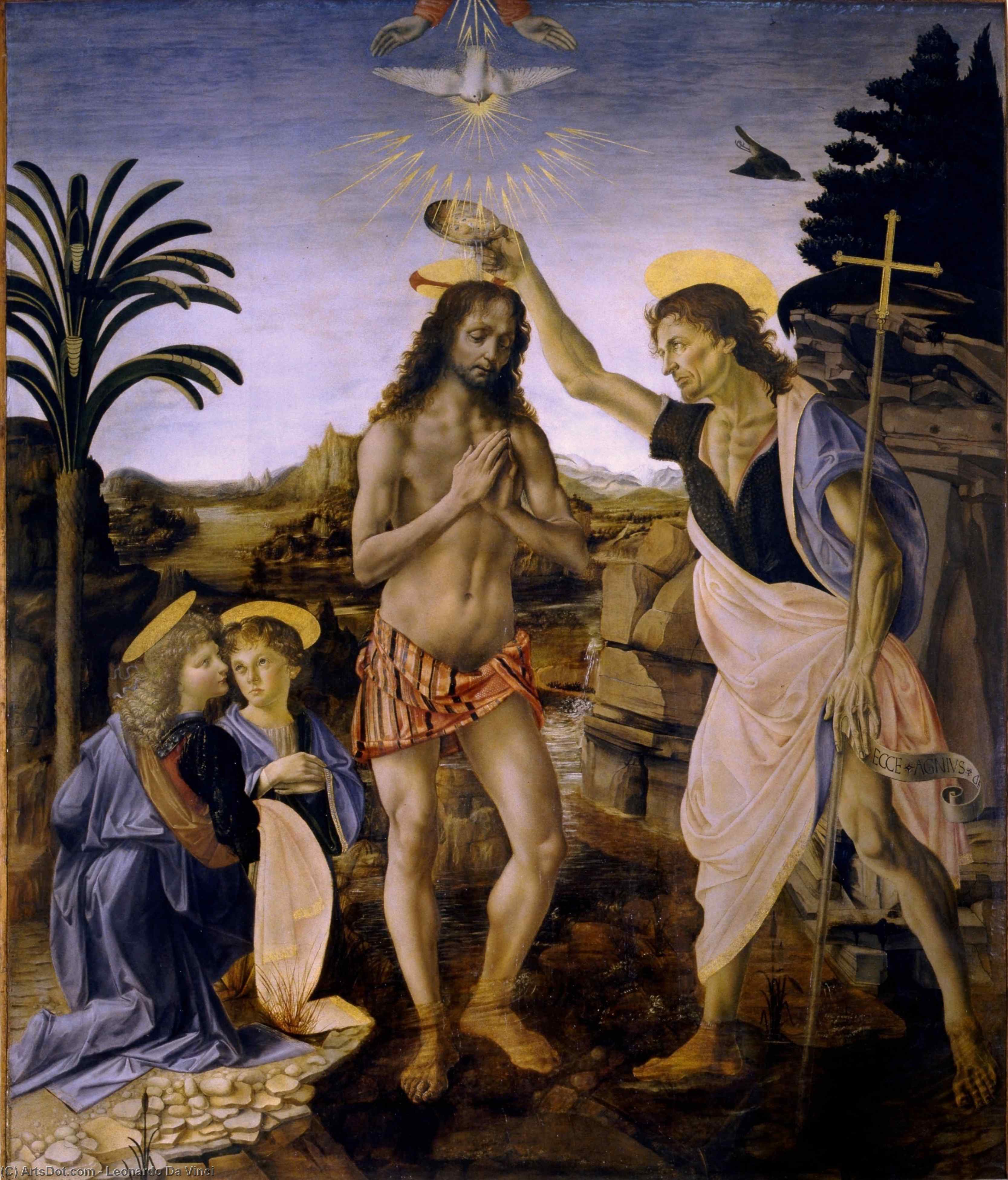
Leonardo da Vinci's “Baptism of Christ,” painted in 1475, isn’t merely a depiction of a biblical event; it’s a profound meditation on faith, humility, and the nascent promise of divinity. Housed within the hallowed halls of the Galleria degli Uffizi in Florence, this early Renaissance masterpiece offers a rare glimpse into the mind of a genius still finding his voice – a testament to Da Vinci's burgeoning mastery of composition, light, and human emotion. The painting captures the pivotal moment when Jesus Christ is baptized by John the Baptist in the Jordan River, an event laden with symbolic weight that resonates even today. It’s a scene brimming with reverence, not through overt grandeur, but through the quiet dignity of its figures and the masterful manipulation of space and atmosphere.
Da Vinci’s genius shines through in his meticulous attention to detail and the innovative techniques he employed. Executed primarily in oil tempera, a medium favored during the early Renaissance for its rich colors and ability to build up layers of translucent paint – a technique known as *sfumato* – the painting possesses an ethereal quality. Notice how Da Vinci subtly blurs the edges of forms, creating a hazy, dreamlike atmosphere that envelops the scene. This masterful use of *sfumato*, combined with his deep understanding of perspective, draws the viewer into the riverbank and invites them to witness this sacred event firsthand. The landscape itself isn’t simply a backdrop; it's an integral part of the composition, guiding our eye towards the central figures and reinforcing the sense of depth and tranquility.
The Composition: A Study in Human Relationships
The painting’s arrangement is deceptively simple yet remarkably effective. Two men stand close together, their faces turned toward Jesus, suggesting a shared moment of contemplation and perhaps even reverence. A third man, positioned further back, represents the broader community witnessing this transformative event. This careful placement of figures creates a dynamic interplay between intimacy and universality – highlighting both the personal significance of Christ’s baptism and its importance within the context of faith and belief. The gesture of John raising his hand to bless Jesus is particularly poignant, capturing a moment of divine grace and conveying a sense of profound spiritual connection. The subtle details—the folds of their garments, the expressions on their faces—speak volumes about their individual roles in this pivotal scene.
Symbolism and Renaissance Context
“Baptism of Christ” is deeply rooted in the cultural and intellectual currents of the early Renaissance. The revival of classical learning during this period profoundly influenced artistic sensibilities, leading to a renewed interest in humanism and a desire to represent the world with greater accuracy and realism. Da Vinci’s work reflects this shift by blending traditional religious themes with innovative artistic approaches. The river Jordan itself holds symbolic significance, representing purification and rebirth – essential concepts within Christian theology. The presence of angels, subtly integrated into the composition, further elevates the scene, hinting at a divine intervention and reinforcing the sacred nature of the event. It’s important to remember that Da Vinci was not simply replicating a biblical narrative; he was using art as a means of exploring profound philosophical and spiritual questions.
A Legacy of Genius: Leonardo da Vinci and Beyond
Leonardo da Vinci's “Baptism of Christ” stands as a cornerstone in the history of Renaissance art, demonstrating his early mastery of technique and foreshadowing the revolutionary innovations that would define his later works. Studying this painting offers a valuable window into Da Vinci’s artistic development and provides insight into the broader context of Florentine art during the 15th century. The Uffizi Gallery's collection continues to benefit from its preservation, allowing future generations to appreciate the genius of this remarkable artist. Consider exploring related works by Leonardo, such as his portraits and studies of human anatomy, to gain a deeper understanding of his artistic vision and unparalleled talent. And don’t miss the opportunity to visit Museo Vinciano in Vinci, Italy – Da Vinci's birthplace – where you can immerse yourself in the world that shaped this extraordinary man.