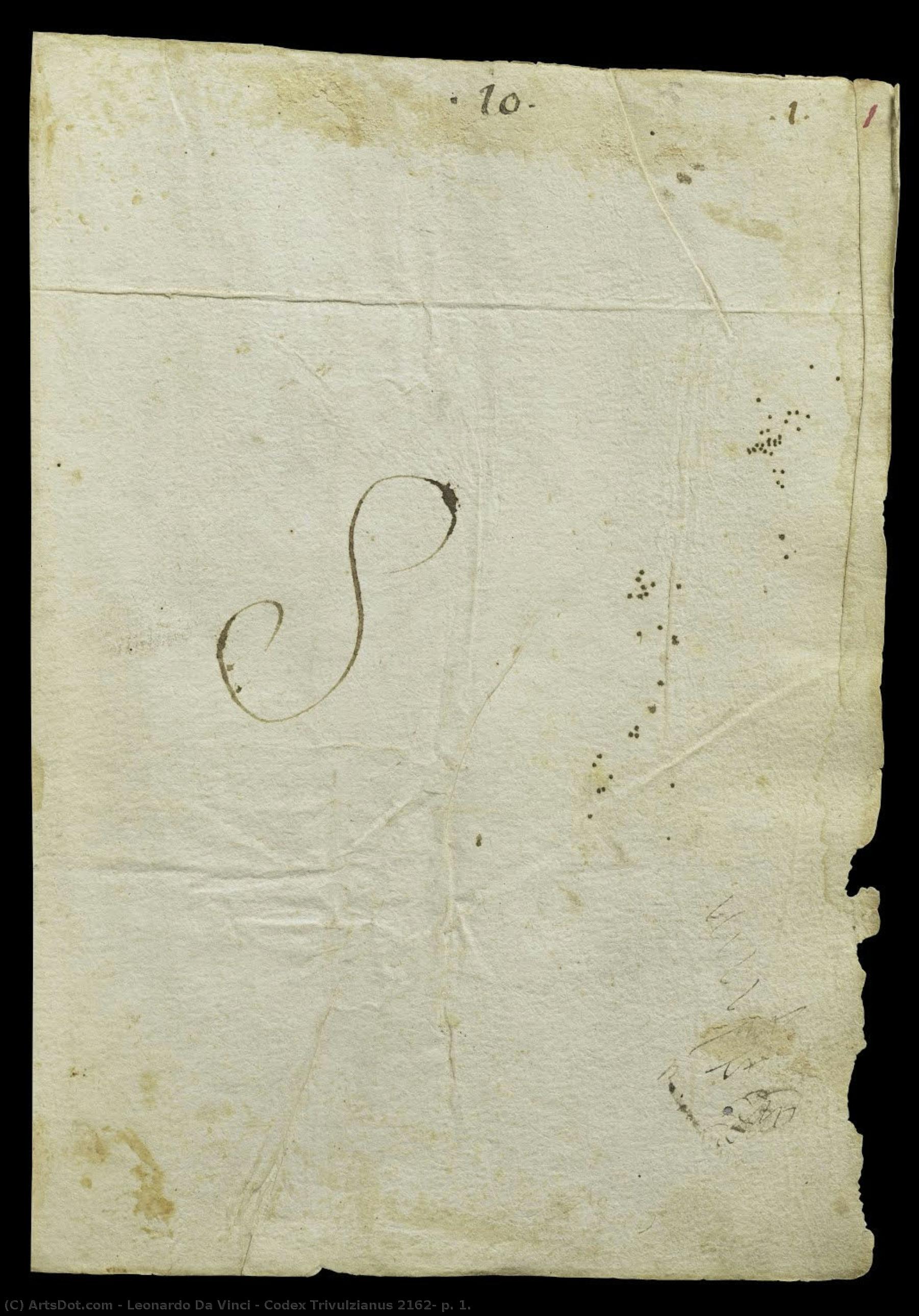
A Fragment of Genius: Examining Leonardo da Vinci’s Codex Trivulzianus 2162, p. 1
Leonardo da Vinci's Codex Trivulzianus 2162, p. 1 stands as a poignant reminder of the artist’s boundless curiosity and meticulous observation—a single sheet of paper bearing witness to his ceaseless pursuit of knowledge across disciplines. Captured in this photograph is not merely an image but a tangible connection to one of history's most brilliant minds, offering viewers a glimpse into the raw materials of artistic innovation. The paper itself speaks volumes about Da Vinci’s working methods: aged and subtly creased, it embodies the passage of time yet retains traces of his hand—a testament to the physicality of creation.
- Subject Matter: While the precise content of this particular page remains elusive due to its deteriorated condition, scholars believe it likely pertains to Da Vinci’s anatomical studies and sketches related to human musculature. The meticulous detail evident in his drawings underscores his unwavering commitment to understanding the intricacies of the human form—a cornerstone of Renaissance art.
- Style: Characteristic of Da Vinci's oeuvre, this page exemplifies a blend of realism and idealized representation. Though weathered by time, the drawing retains an unmistakable elegance, reflecting Da Vinci’s mastery of chiaroscuro – the dramatic interplay of light and shadow—a technique he perfected to convey depth and emotion.
- Technique: Executed with graphite and charcoal on paper, the drawing demonstrates Da Vinci's unparalleled skill in capturing subtle nuances of form. The artist’s careful layering of tones creates a textured surface that invites contemplation, mirroring his broader fascination with natural phenomena and scientific observation.
The Codex Trivulzianus represents more than just an artistic achievement; it embodies the spirit of Renaissance humanism—a belief in the potential for human intellect to illuminate the mysteries of the universe. Da Vinci’s notebooks are filled with sketches, diagrams, and notes on a vast array of subjects, from botany and geology to engineering and optics. This page serves as a microcosm of his intellectual fervor, reminding us that art and science were inseparable pursuits during this transformative era.
Historical Context: Created around 1506-1507, Codex Trivulzianus 2162 is considered one of Da Vinci’s most important anatomical studies—a pivotal contribution to the burgeoning field of scientific illustration. It reflects the humanist ideals prevalent in Florence during the High Renaissance, where artists and scholars alike sought to emulate classical beauty and understand the natural world through observation and experimentation.
- Symbolism: Although difficult to decipher definitively due to its fragility, the drawing’s precise depiction of musculature speaks to Da Vinci's profound understanding of human anatomy—a subject he approached with unwavering dedication. This pursuit aligns perfectly with the Renaissance fascination for uncovering hidden truths about the human body and mind.
- Emotional Impact: Viewing this fragment offers a powerful connection to Da Vinci’s artistic vision—a glimpse into his relentless quest for knowledge and beauty. It inspires contemplation on the enduring legacy of genius and reminds us that true artistry transcends time, capturing not only visual splendor but also intellectual curiosity.
A reproduction of Codex Trivulzianus 2162, p. 1 would bring this captivating piece of Da Vinci’s artistic journey into any home or interior design project—a beautiful reminder of the brilliance and innovation that defined the Renaissance. Its understated elegance and meticulous detail continue to fascinate art historians and collectors alike, securing its place as an icon of Western artistic heritage.