The Enigmatic Portrait of an Unknown Woman
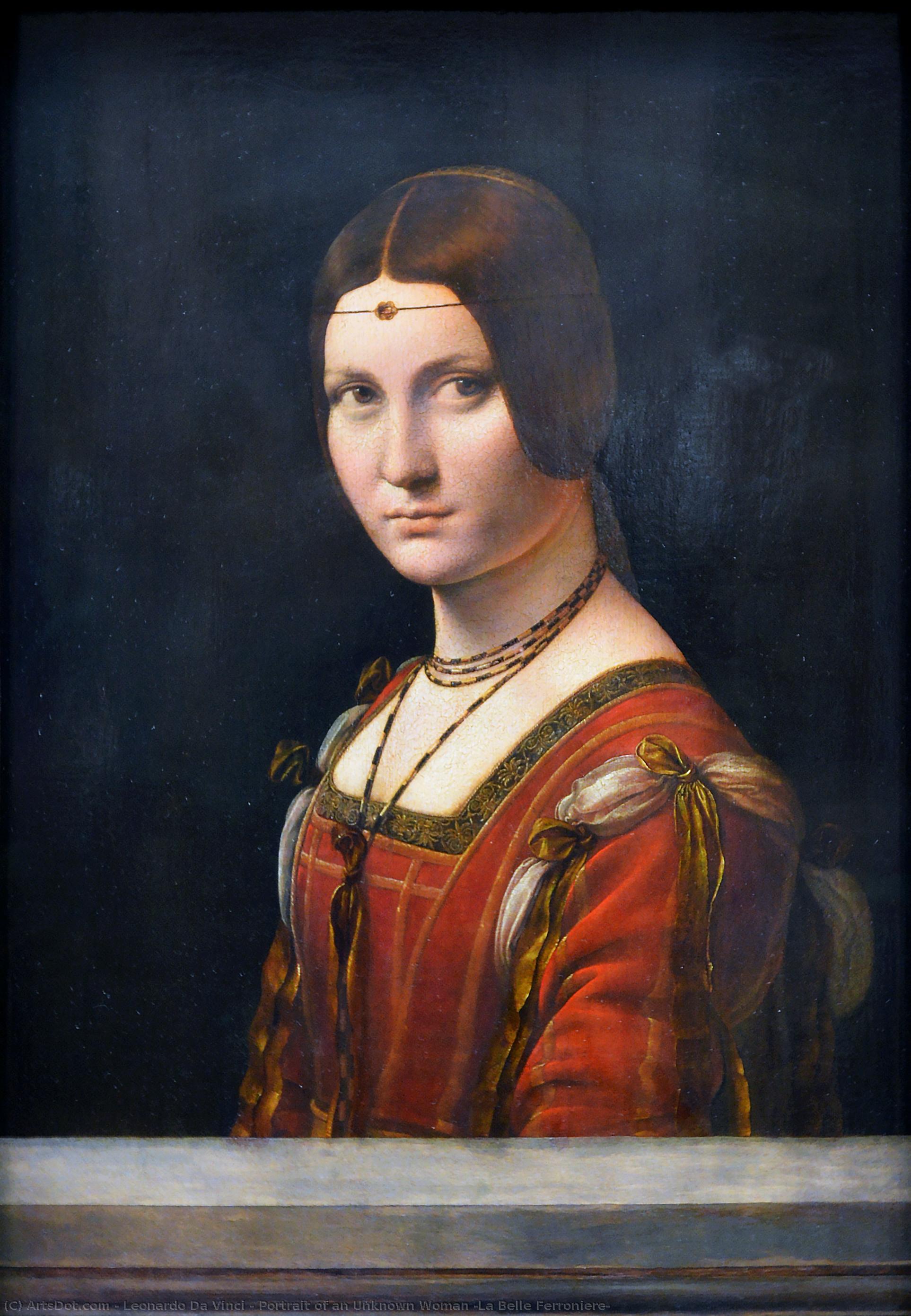
Leonardo da Vinci’s La Belle Ferronnière – a name derived from the French term for “lady of the ermine” – is not merely a portrait; it's a carefully constructed puzzle, a tantalizing glimpse into the mind of one of history’s most brilliant polymaths. Painted in Milan around 1490, during his time as court painter to Ludovico Sforza, this small-scale oil on walnut panel holds an enduring allure, shrouded in mystery and speculation. The subject herself remains largely unknown, adding to the painting's captivating ambiguity. Her gaze is direct, almost challenging, yet softened by a subtle grace – a quality that has captivated viewers for centuries. It’s not a grand, theatrical display of wealth or power, but rather an intimate portrayal of a woman, radiating quiet confidence and understated beauty.

Renaissance Refinement and Leonardo’s Techniques
The painting exemplifies the High Renaissance style, a period characterized by an emphasis on realism, humanism, and classical ideals. Da Vinci's mastery of technique is immediately apparent in the meticulous detail – the delicate folds of her dress, the subtle modeling of her face, the way light plays across her skin. He employed his signature *sfumato* technique—a hazy, almost smoky effect achieved through layering thin glazes of paint—to create a sense of depth and atmosphere, softening edges and lending an ethereal quality to the figure. Notice how he uses shadow not just to define form but also to evoke emotion, creating a mood of contemplative serenity. The background is deliberately dark, drawing attention entirely to the subject’s face and enhancing her presence within the composition.
The choice of walnut wood as the panel reflects Leonardo's preference for materials that would allow him to work slowly and achieve the desired luminosity. He experimented with various techniques, including *spolvero* – tiny dots of paint used to create texture and highlight details – a technique particularly evident in her hair and the ermine’s fur. The painting also showcases his understanding of anatomy, subtly reflected in the graceful curve of her neck and the delicate structure of her hands.
Symbolism and Speculation
The presence of the ermine – a symbol of purity, nobility, and vigilance – is particularly intriguing. It’s believed to have been a gift from Ludovico Sforza to Leonardo, and its inclusion in the painting suggests a connection between the subject and the powerful Duke's court. Some scholars speculate that the ermine may also represent Cecilia Gallerani, a mistress of Sforza, though this remains debated. The necklace she wears, with its alternating black beading, has been interpreted as referencing the colors of an ermine – further reinforcing this theory. The painting’s overall composition—the woman turned slightly away from the viewer—creates a sense of intimacy and invites us to contemplate her story.
A Timeless Enigma
Despite centuries of scrutiny, La Belle Ferronnière continues to fascinate art historians and enthusiasts alike. The identity of the sitter remains elusive, adding to the painting’s enduring mystique. It's a testament to Leonardo’s genius that he could create such a compelling portrait with so little information, relying instead on his exceptional skill in capturing human emotion and creating an atmosphere of subtle beauty. Whether she was a noblewoman, a courtesan, or simply a woman of considerable charm, La Belle Ferronnière remains one of the most captivating and enigmatic portraits in the history of art – a window into the Renaissance and a poignant reminder of Leonardo da Vinci’s unparalleled artistic vision.