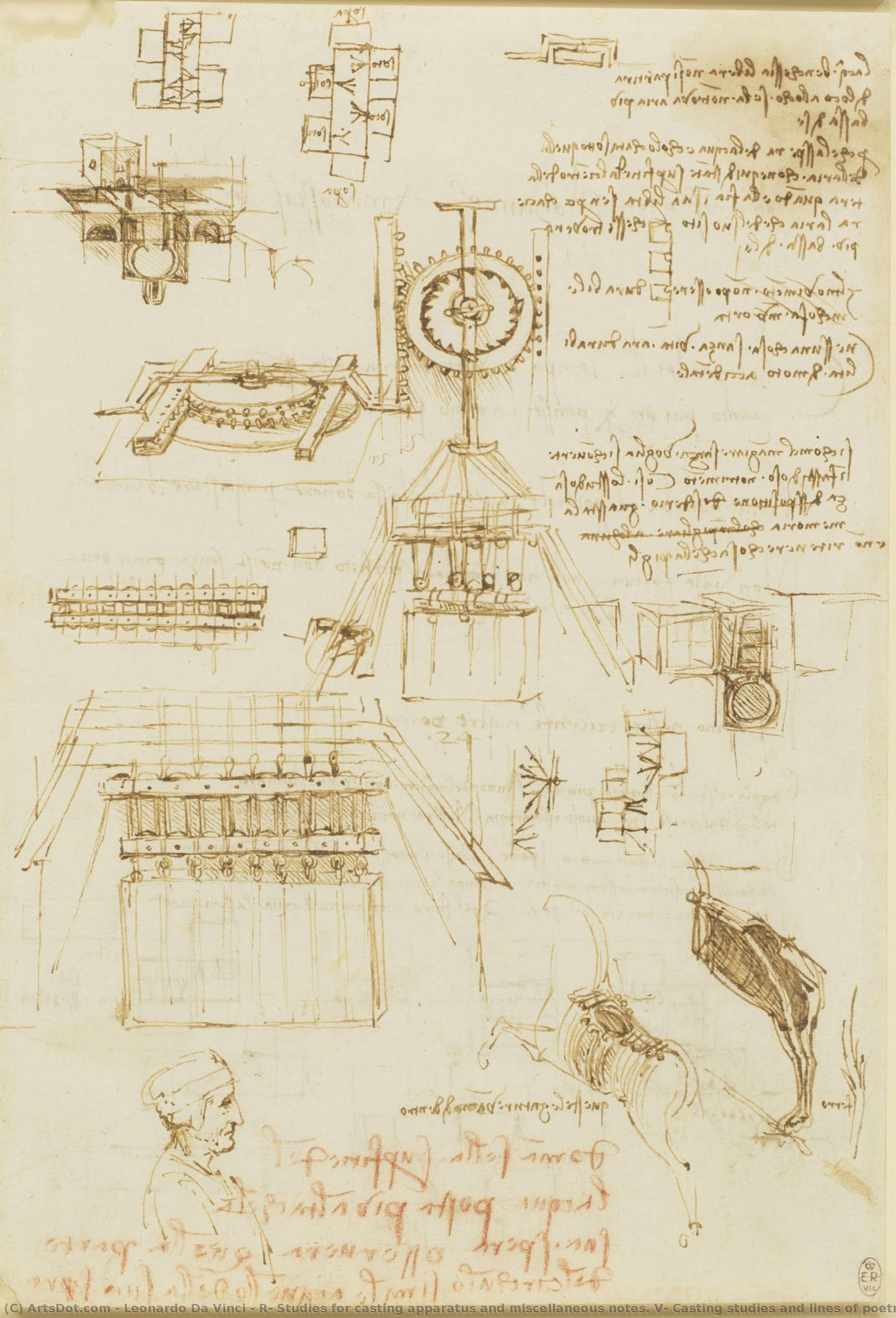
Discover Leonardo da Vinci's 1492 detailed technical sketch, showcasing engineering, architecture, and anatomical studies. A rare Renaissance masterpiece blending art and science, perfect for collectors.
Explore Leonardo da Vinci (1452-1519): Renaissance genius behind Mona Lisa & The Last Supper! Discover his sfumato technique, anatomical studies & groundbreaking inventions.
Explore centuries of British history & artistry within the Royal Collection! Discover masterpieces by Leonardo da Vinci, Michelangelo & more across 13 royal residences.
Unveiling the Genius of Leonardo da Vinci’s Mechanical Mind
Step into the world of one of history’s greatest polymaths with this extraordinary collection of sketches and notes by Leonardo da Vinci. Created in 1492, this artwork offers a rare glimpse into the mind of the Renaissance master, blending scientific inquiry with artistic mastery. The intricate drawings and handwritten annotations reveal da Vinci’s relentless curiosity about engineering, architecture, and biomechanics, making this piece a testament to human ingenuity and inventive spirit.
A Masterclass in Technical Precision and Artistic Insight
This work is a masterful example of Renaissance technical drawing, rendered in delicate sepia ink on aged paper. The sketches feature detailed mechanical devices—gears, pulleys, and structural frameworks—executed with meticulous line work that emphasizes clarity and accuracy. The composition is layered, with overlapping components and varying line weights that create a sense of depth and dimensionality. The inclusion of architectural elements and anatomical sketches underscores da Vinci’s interdisciplinary approach, seamlessly merging art and science.
Rich in Symbolism and Intellectual Curiosity
Beyond its technical brilliance, this artwork embodies Leonardo’s philosophical pursuit of understanding the natural world. The sketches of mechanical apparatus symbolize the Renaissance quest for mastery over physical forces and the desire to innovate. The lines of poetry interwoven with engineering studies hint at the poetic harmony between form and function, reflecting da Vinci’s belief in the interconnectedness of art, science, and nature. The skeletal figure and horse sketches evoke themes of biomechanics and anatomy, emphasizing the human body’s intricate design.
Historical Context and Artistic Significance
Created during a pivotal period of da Vinci’s career, this piece exemplifies the Renaissance ideal of the polymath—an artist, scientist, and engineer united in a quest for knowledge. It showcases his methodical approach to problem-solving and his pioneering spirit, which laid the groundwork for modern engineering and scientific exploration. As a high-quality reproduction, this artwork invites viewers to connect with the innovative mindset that transformed the Renaissance and continues to inspire contemporary creativity.
Emotional Impact and Interior Inspiration
This artwork evokes a sense of wonder and intellectual curiosity, inspiring viewers to appreciate the beauty of precision and the pursuit of knowledge. Its detailed line work and historical depth make it an ideal centerpiece for collectors, art lovers, and interior designers seeking a sophisticated, thought-provoking accent. Whether displayed in a study, gallery, or modern living space, this piece serves as a timeless reminder of human potential and the enduring legacy of Leonardo da Vinci’s genius.