A Window into Leonardo’s Anatomical Obsession
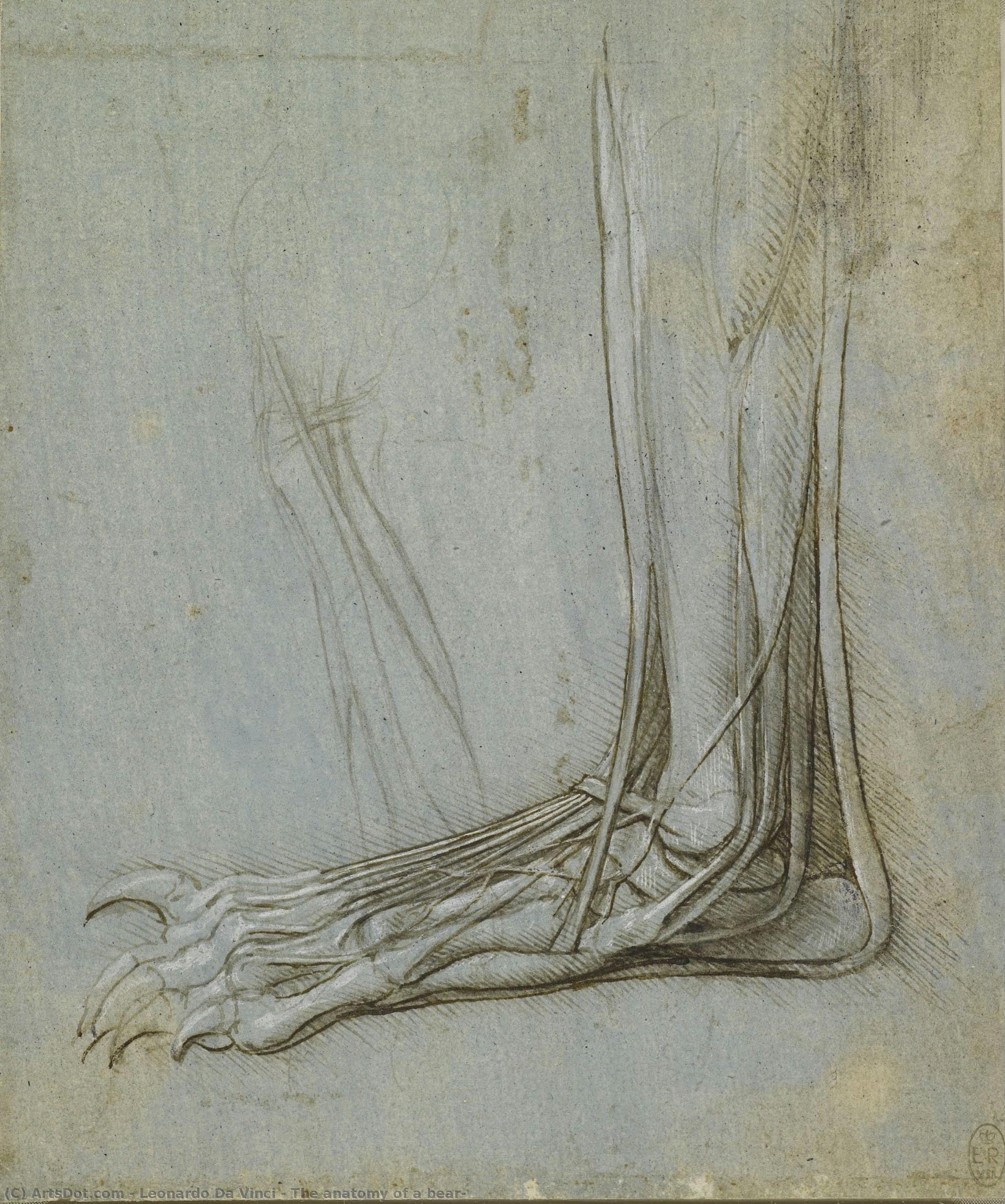
Leonardo da Vinci's “The Anatomy of a Bear,” executed in 1488, transcends mere scientific illustration; it embodies the burgeoning humanist spirit of the Florentine Renaissance and represents a pivotal moment in Leonardo’s artistic journey. This deceptively simple drawing—measuring just 16 x 13 cm—offers an unparalleled glimpse into the mind of one of history's greatest innovators, revealing not only his meticulous observation of the natural world but also his profound desire to understand the underlying principles governing human and animal form.
- Subject Matter: The drawing focuses intently on the lower leg and foot of a bear—a creature chosen deliberately for its gait, mirroring that of humans. Unlike many anatomical studies of the era which relied heavily on speculative theories rooted in Galenic medicine, Leonardo approached this subject with remarkable objectivity.
- Style & Technique: Executed in graphite on paper, “The Anatomy of a Bear” showcases Leonardo’s mastery of chiaroscuro—the dramatic interplay of light and shadow—a technique he would later refine to breathtaking effect in masterpieces like the Mona Lisa. The artist painstakingly rendered the bones, muscles, tendons, and ligaments with astonishing accuracy, utilizing precise lines and shading to convey textural detail.
Historical Context: Leonardo’s anatomical investigations stemmed from a broader intellectual movement aimed at reviving classical learning and challenging medieval dogma. Driven by an unwavering fascination for the human body—and hampered by the unavailability of human cadavers—he sought alternative methods of study, turning to animal dissection as a crucial step in unlocking the secrets of anatomy. The bear was selected specifically because its stance provided a valuable comparative point against human locomotion.
Symbolism & Emotional Impact: Beyond its scientific merit, “The Anatomy of a Bear” speaks to Leonardo’s humanist conviction—a belief that understanding nature was essential for comprehending humanity itself. The drawing isn't merely about depicting physical structures; it reflects Leonardo’s intellectual curiosity and his determination to transcend traditional boundaries of thought. It embodies the Renaissance ideal of *uomo universale*, striving for excellence in all fields of endeavor.
- Interior Design Considerations: This reproduction would lend itself beautifully to contemporary interior spaces, particularly those embracing minimalist aesthetics or valuing natural textures and forms. Its understated elegance complements neutral palettes and creates a serene atmosphere.
- Collector’s Appeal: For discerning collectors interested in Leonardo da Vinci's formative years, “The Anatomy of a Bear” represents an exceptional opportunity to own a piece of art history—a testament to the artist’s pioneering spirit and his unwavering pursuit of knowledge.