A Glimpse Into Mortality: Decoding Leonardo da Vinci’s “View of a Skull”
Leonardo da Vinci, a name synonymous with Renaissance genius, gifted the world not only with iconic paintings like the Mona Lisa and The Last Supper but also with a wealth of drawings and studies that reveal the breadth of his insatiable curiosity. Among these lesser-known yet profoundly compelling works is “View of a Skull,” an image that transcends mere anatomical representation to become a meditation on life, death, and the ephemeral nature of existence. This isn’t simply a depiction of bone; it's a poignant visual poem crafted by one of history’s most observant minds.
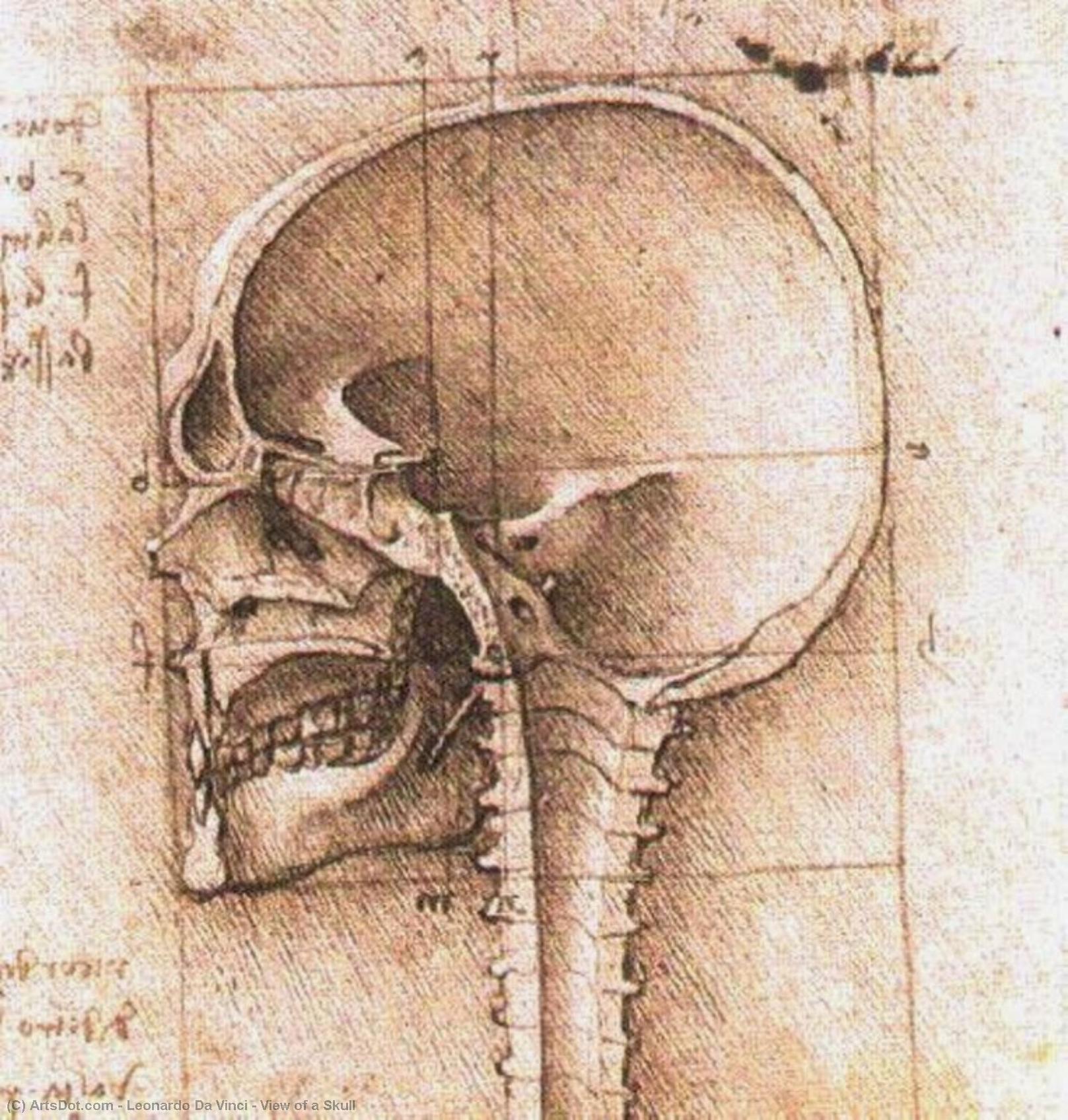
The painting presents a stark yet beautifully rendered skull, centrally positioned and open-mouthed, revealing a meticulously detailed set of teeth. Da Vinci’s anatomical precision is immediately apparent – this isn’t a macabre caricature but a faithful study of the human cranium, born from his dedicated dissections and investigations into the structure of the body. However, the scene doesn't exist in isolation. A bird takes flight above the skull, adding an element of dynamic movement and perhaps symbolizing the soul escaping its earthly vessel. To the right, a clock appears, a potent reminder of time’s relentless march and the inevitability of decay. These elements aren’t merely decorative; they are integral to the work's symbolic weight.
The Anatomical Artist & The Renaissance Obsession
To understand “View of a Skull,” one must consider Da Vinci’s broader artistic and scientific pursuits. Apprenticed to Andrea del Verrocchio in Florence, he received a comprehensive training that encompassed painting, sculpture, and mechanical arts. This foundation fueled his lifelong quest for knowledge, leading him to dissect human corpses – a practice considered radical at the time – to understand the underlying mechanics of the body. His anatomical studies weren’t solely driven by artistic accuracy; they were an attempt to unlock the secrets of life itself. The Renaissance was a period of renewed interest in classical learning and humanism, and Da Vinci embodied this spirit perfectly. He believed that understanding the human form was essential for creating truly compelling art, but also for comprehending our place in the universe.
Symbolism & The Memento Mori Tradition
The skull itself has a long history as a symbol of mortality – a memento mori, or “remember you must die.” This motif was particularly prevalent during the Renaissance and Middle Ages, serving as a reminder of the transience of life and the importance of spiritual preparation. Da Vinci’s depiction, however, is not overtly morbid. The inclusion of the bird suggests hope and transcendence, while the clock serves as a neutral marker of time rather than a menacing harbinger of doom. The overall effect is one of contemplative melancholy rather than grim despair. It invites viewers to confront their own mortality, but also to appreciate the beauty and fragility of life. Da Vinci’s skill lies in his ability to imbue even the most somber subject matter with a sense of grace and intellectual curiosity.
A Timeless Reflection for Modern Interiors
A reproduction of “View of a Skull” offers more than just an artistic statement; it provides a sophisticated focal point for any interior. Its muted tones and subtle symbolism lend themselves well to a variety of décor styles, from classic to contemporary. The artwork’s intellectual depth makes it particularly suitable for studies, libraries, or living spaces where thoughtful conversation is encouraged. It's a piece that invites contemplation, sparking dialogue about life, death, and the enduring power of art. For collectors seeking works beyond the mainstream, “View of a Skull” represents a rare opportunity to own a reproduction of a deeply personal and historically significant work by one of history’s greatest masters.