Discover Lorenzo Monaco (1370-1425), a Florentine painter bridging Gothic elegance & early Renaissance innovation. Explore his spiritual art, illuminated manuscripts, and unique style.
Відкрийте для себе Thorvaldsens Museum у Копенгагені! Насолоджуйтесь величними неокласичними скульптурами Бертеля Торвальдсена, унікальною архітектурою та зануртесь у світ данського мистецтва 18 століття!
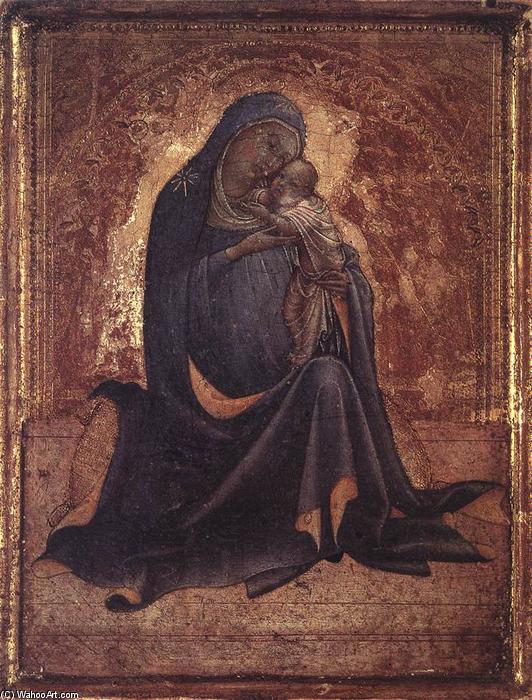
Diptych: Madonna of Humility by Lorenzo Monaco
Lorenzo Monaco’s “Madonna of Humility,” painted circa 1420, stands as a cornerstone of Florentine Renaissance art—a testament to the burgeoning humanist spirit and profound spiritual contemplation that defined the era. More than just a depiction of Mary nursing Jesus, it embodies a complex tapestry of theological symbolism interwoven with masterful artistic execution.
Historical Context: The painting emerged during a period of significant religious reform following the Council of Trent (1545-1563), marking a shift away from opulent Gothic grandeur towards a more restrained aesthetic. Yet, Monaco’s Madonna transcends mere stylistic trends; it reflects the broader intellectual currents of its time—the rediscovery of classical ideals and the emphasis on human dignity alongside divine grace.
Style & Technique: Monaco employed tempera paint on wood panel, utilizing a technique characterized by layering pigments to achieve remarkable textural depth and luminosity. The artist’s meticulous attention to detail is evident in the delicately rendered drapery—flowing robes imbued with subtle folds that convey movement and grace—and the serene expressions of Mary and Jesus. Gold leaf embellishments adorn the frame, symbolizing divine majesty and elevating the artwork's visual impact.
Composition & Symbolism: The central figure of Mary is positioned on a cushion resting upon a marble pavement – a deliberate choice that underscores her humility and earthly grounding. This posture contrasts sharply with the throne typically associated with royalty, signifying Mary’s role as Mother of God—a humble servant devoted to God's will. The infant Jesus rests in her arms, symbolizing purity and divine innocence. Above Mary’s head resides a halo – a universal emblem of holiness—further emphasizing her sanctity.
Emotional Impact: “Madonna of Humility” evokes a palpable sense of reverence and tranquility. Its muted palette—dominated by deep browns, blacks, and golds—creates an atmosphere of solemn beauty, inviting contemplation and fostering a connection to the spiritual realm. The artist’s masterful use of light enhances the emotional resonance of the scene, highlighting Mary's face and Jesus’ hands – focal points that convey tenderness and compassion. It is a painting designed not merely to be seen but felt—a timeless masterpiece capturing the essence of Christian faith.
Additional Research: This panel originally formed a diptych with St Jerome in the Rijksmuseum, Amsterdam. The diptych was created as part of a larger series exploring Marian iconography and reflecting the humanist ideals prevalent in Florence during Monaco’s lifetime.