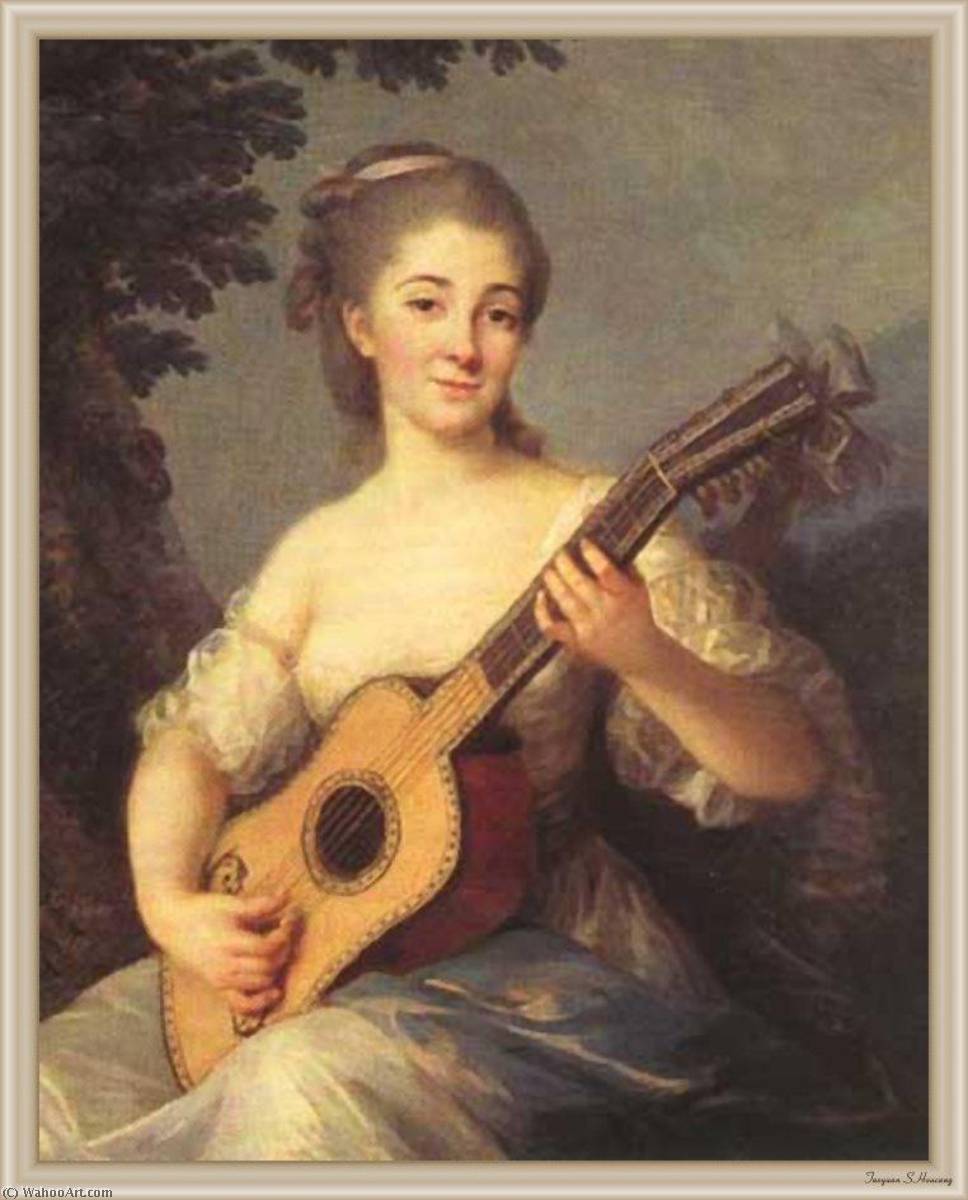
Louise Élisabeth Vigée Le Brun’s luminous pastel portrait captures Mirabeau's contemplative gaze amidst the fervor of the French Revolution—a masterful blend of Rococo elegance and psychological insight, inviting you to explore this iconic masterpiece.
Élisabeth Vigée Le Brun was a celebrated 18th-century French portraitist renowned for her elegant depictions of royalty and aristocracy, capturing both likeness and personality with refined Rococo-Neoclassical style.
Step back in time at Musée Cognacq-Jay! Explore 18th-century Parisian life through fine art, furniture & decorative objects collected by La Samaritaine's founders. A hidden gem in Le Marais.
Louise Élisabeth Vigée Le Brun’s Portrait of Mirabeau: Elegance Amidst Revolution
The painting “Marquise de Mirabeau,” executed by Louise Élisabeth Vigée Le Brun in 1774, stands as a testament to the artistic sensibilities of the Enlightenment and a poignant glimpse into a turbulent period of French history. More than just a depiction of Madame Victoire Léonard Pierre Frédéric Louis Casimir Xavier Auguste Méricourt de Mirabeau—a prominent figure advocating for constitutional reform—it embodies an ideal of aristocratic grace and intellectual contemplation, skillfully rendered against the backdrop of impending societal upheaval.
A Masterful Blend of Rococo Style and Psychological Insight
Vigée Le Brun’s signature style is undeniably rooted in Rococo aesthetics, characterized by delicate pastel hues, flowing drapery, and a penchant for idealized beauty. However, she transcends mere decorative convention, injecting profound psychological depth into her portraiture. Unlike many commissions of the time focused solely on outward appearance, Vigée Le Brun meticulously captures Mirabeau’s gaze—directed slightly off-camera—revealing an inner seriousness and contemplative spirit that speaks volumes about his ambitions and anxieties. The subtle shading techniques employed by the artist create a luminous effect, enhancing the ethereal quality of the gown and emphasizing the contours of Mirabeau's face.
Technique and Material Considerations
The painting itself is executed in pastel on canvas—a medium favored by Vigée Le Brun for its ability to achieve remarkable tonal subtlety and luminosity. Pastels consist of finely powdered pigment mixed with binder, allowing for unparalleled blending capabilities and a velvety finish that captures the nuances of light and shadow with exceptional precision. Vigée Le Brun’s meticulous layering of colors demonstrates her mastery of this technique, resulting in an image brimming with atmospheric richness. The careful selection of canvas texture contributes to the overall impression of elegance and refinement—a deliberate choice reflecting the artistic values of the era.
Historical Context: The Shadow of Revolution
“Marquise de Mirabeau” was created during a pivotal moment in French history – the years leading up to the French Revolution. While outwardly portraying Madame Mirabeau as an embodiment of aristocratic composure, the painting subtly hints at the anxieties simmering beneath the surface of Parisian society. Mirabeau’s gaze—focused on something unseen—suggests a preoccupation with weighty matters of state and a yearning for reform amidst the growing discontent of the populace. Vigée Le Brun's artistic decision to depict him in this contemplative pose underscores the importance of intellectual discourse and moral fortitude as defenses against societal instability – themes that would soon dominate the revolutionary fervor.
Symbolism: Grace Under Pressure
The gown worn by Madame Mirabeau is itself laden with symbolic significance. Pastel shades—particularly pale blues and greens—were associated with serenity, virtue, and nobility during the Rococo period. Vigée Le Brun’s deliberate use of these colors reinforces the portrait's overarching message of dignified resilience in the face of adversity. Furthermore, the guitar held by Madame Mirabeau represents intellect and artistic expression – qualities valued by Enlightenment thinkers and subtly mirrored in Mirabeau’s character.
Emotional Impact: A Portrait Beyond Appearance
Ultimately, “Marquise de Mirabeau” transcends mere visual representation; it evokes a profound emotional response. The painting captures not just Madame Mirabeau's physical beauty but also her inner spirit—her thoughtfulness, ambition, and quiet determination. It serves as an enduring reminder that true artistry lies in conveying emotion and intellect with equal grace – qualities that continue to resonate powerfully with viewers today. This captivating portrait remains a cornerstone of French art history, offering invaluable insight into the complexities of the Enlightenment and the enduring allure of timeless elegance.