Elisabeth Louise Vigée Le Brun’s Self Portrait: A Window Into Rococo Elegance
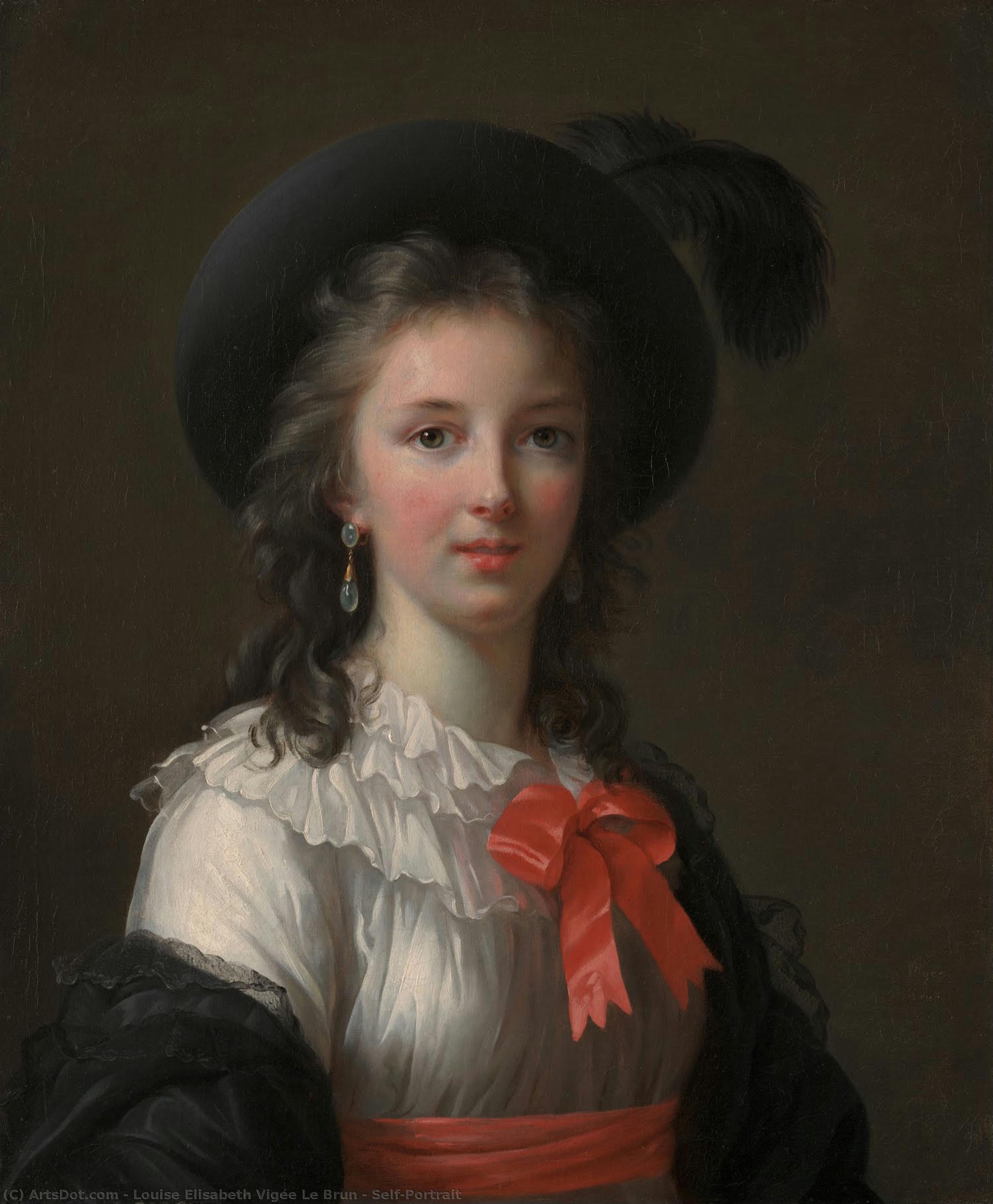
This captivating self-portrait by Elisabeth Louise Vigée Le Brun, completed in 1781, transcends mere likeness; it embodies the spirit of its time—the opulent Rococo era—and offers a profound glimpse into the artist's artistic vision and personal psychology. Painted shortly after Vigée Le Brun began her illustrious career as Marie Antoinette’s portraitist, this artwork stands as a testament to her mastery of technique and her ability to capture not just physical appearance but also inner radiance. The painting is housed in the Kimbell Art Museum in Fort Worth, Texas, where it continues to inspire admiration for its exquisite craftsmanship and timeless beauty.
- Subject Matter: Vigée Le Brun portrays herself with remarkable self-awareness, presenting a serene image of youthful femininity adorned in a flowing muslin gown—a deliberate choice reflecting the prevailing fashions of the period. The inclusion of her daughter Julie adds another layer of familial warmth and reinforces the artist’s role as a mother and woman of her time.
- Style: While firmly rooted in Rococo aesthetics, Vigée Le Brun's style subtly incorporates elements of Neoclassicism—a stylistic shift that signaled a move away from excessive ornamentation toward clarity and restraint. The delicate brushstrokes and luminous palette exemplify the Rococo tradition’s emphasis on sensual beauty and decorative embellishment, yet they are tempered by a sense of composure and intellectual contemplation.
- Technique: Vigée Le Brun skillfully employed oil paint on canvas—a technique favored by artists during this period—to achieve remarkable tonal depth and textural nuance. Her meticulous attention to detail is evident in the rendering of Julie’s hair curls, the subtle shading around her eyes, and the luminous quality of her complexion. The artist's masterful use of chiaroscuro—the interplay between light and shadow—creates a dramatic effect that enhances the portrait’s emotional impact.
- Historical Context: Created during Marie Antoinette’s reign, this self-portrait reflects the broader cultural landscape of France in the late 18th century—a society obsessed with appearances and preoccupied by anxieties surrounding political instability. Vigée Le Brun's depiction of herself aligns perfectly with the prevailing artistic conventions of the era, demonstrating her understanding of both aesthetic ideals and social expectations.
- Symbolism: The choice of attire—the muslin gown—holds symbolic significance, representing purity and grace—values highly esteemed in Rococo culture. Furthermore, Vigée Le Brun’s gaze directly engages the viewer, conveying confidence and intelligence—qualities that were considered desirable traits for women aspiring to social prominence.
Exploring Further: The Influence of Neoclassicism
Despite its adherence to Rococo principles, Vigée Le Brun's Self Portrait subtly incorporates elements of Neoclassical style—a movement championed by artists like Jacques-Louis David and Jean-Auguste Ingres. This stylistic fusion underscores the artist’s intellectual curiosity and her willingness to embrace new artistic approaches. The restrained palette and balanced composition reflect the Neoclassical emphasis on rationality and order, signaling a departure from the excesses of Rococo ornamentation.
A Masterpiece Revisited: Contemporary Perspectives
Today, Elisabeth Louise Vigée Le Brun's Self Portrait continues to captivate audiences worldwide—a testament to its enduring artistic merit. Critics have lauded its technical brilliance and emotional depth, recognizing it as one of Vigée Le Brun’s finest achievements. Its influence can be seen in subsequent portraiture traditions, demonstrating the artist’s lasting legacy as a pioneer of feminine self-representation and a champion of Rococo elegance infused with Neoclassical restraint.
Where to Admire This Iconic Artwork
You can experience this remarkable painting firsthand at the Kimbell Art Museum in Fort Worth, Texas—a treasure trove for art enthusiasts seeking inspiration and appreciation for artistic excellence. Alternatively, high-quality reproductions are available from numerous reputable dealers—allowing you to bring Vigée Le Brun’s masterpiece into your home and immerse yourself in its timeless beauty.