Explore the art of Lovis Corinth (1858-1925), a German painter bridging Impressionism & Expressionism. Known for portraits, landscapes, and raw depictions of life – including 'In the Slaughter House'. Discover his legacy as a Berlin Secession preside
Explore modern & contemporary art at MoMA! Discover iconic works by Van Gogh, Picasso, Warhol & more. Immerse yourself in groundbreaking exhibitions & design.
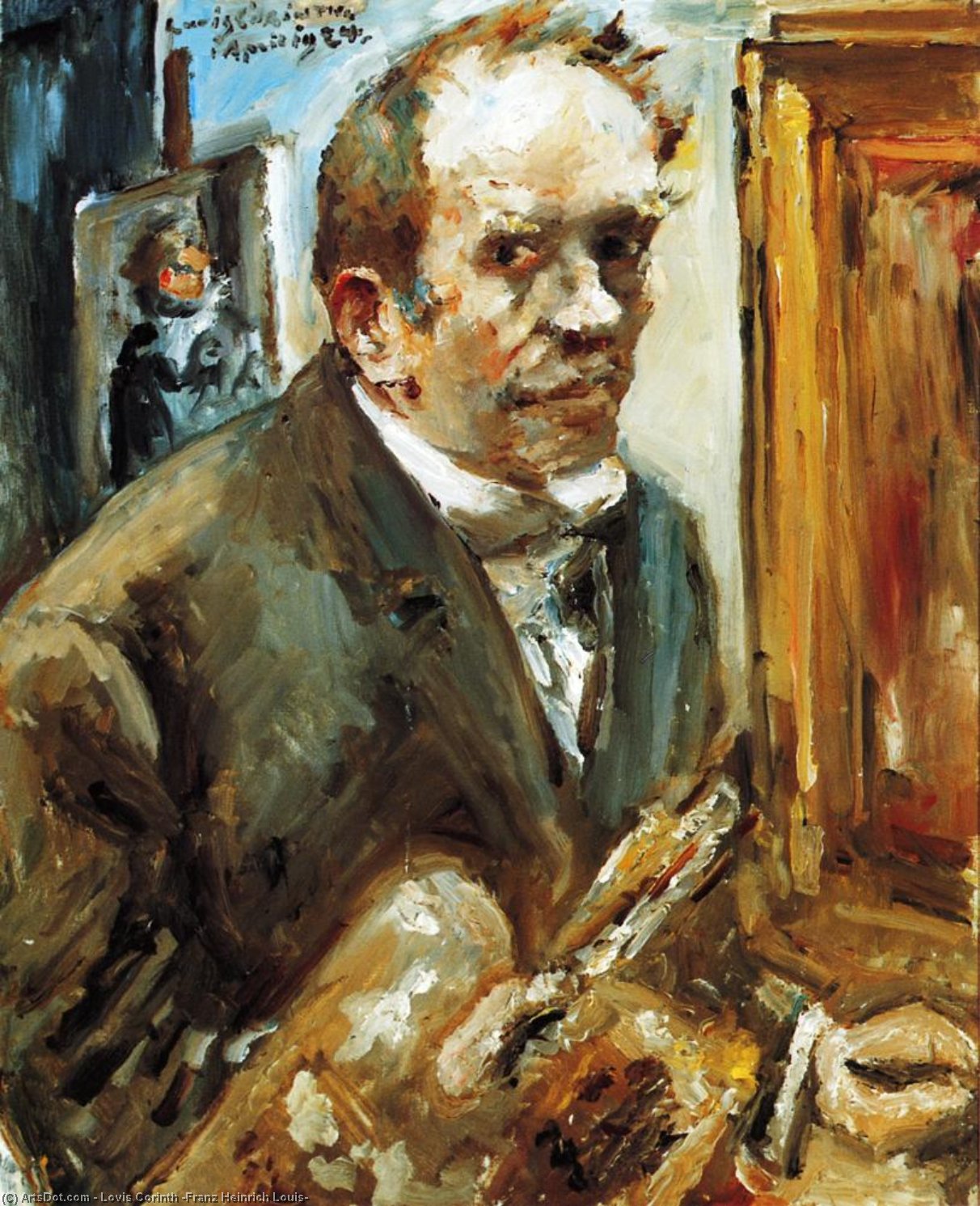
Lovis Corinth’s Self Portrait with Palette: A Window into Expressionist Soul
Lovis Corinth's "Self Portrait with Palette," completed in April 1924, stands as a cornerstone of Expressionism and a poignant reflection on the artist’s own inner landscape. Executed in oil on canvas measuring 39 3/8 x 31 5/8 inches (100 x 80.3 cm), this artwork resides within MoMA's impressive collection, offering visitors a captivating glimpse into Corinth’s artistic vision and personal struggles. The painting’s acquisition by Curt Valentin underscores its significance as a pivotal piece of the early 20th century canon.
- Subject Matter & Composition: At first glance, the portrait depicts Corinth himself seated before a large canvas bearing an unfinished landscape scene – a deliberate juxtaposition that immediately establishes a dialogue between inner contemplation and artistic creation.
- Style & Technique: Corinth’s signature Expressionist style is evident in every brushstroke. Bold, impasto textures dominate the surface of both the self-portrait and the backdrop painting, conveying a palpable sense of urgency and emotional intensity. The muted color palette—primarily browns, ochres, and greens—further enhances the mood, prioritizing tonal variation over precise representation.
The historical context surrounding “Self Portrait with Palette” is crucial to understanding its deeper meaning. Corinth was grappling with profound personal difficulties during this period – a debilitating illness ravaged his body, impacting his ability to paint and forcing him to confront mortality head-on. This biographical reality informs the painting’s psychological depth; Corinth's gaze directs outwards, seemingly confronting an unseen force, while his clasped hands symbolize both vulnerability and determination. The inclusion of three paintings—the self-portrait, the landscape, and a smaller piece behind Corinth—suggests a preoccupation with themes of duality and artistic process itself.
- Symbolism: The unfinished landscape serves as a visual metaphor for Corinth’s own creative endeavors – perpetually striving but never achieving complete fulfillment. The palette rests prominently in his lap, representing not only the tools of his craft but also the artist's intellectual and emotional engagement with his work.
- Emotional Impact: “Self Portrait with Palette” transcends mere visual depiction; it communicates a profound sense of melancholy and introspection. Corinth’s gaze conveys both sorrow and resolve, inviting viewers to contemplate the complexities of human experience and the enduring power of artistic expression.
MoMA's selection of this artwork highlights its enduring appeal to collectors and interior designers alike. Its textured surface and evocative color scheme lend themselves beautifully to reproductions, allowing admirers to appreciate Corinth’s masterful technique and capture the essence of Expressionist emotion. Consider framing it in a neutral tone to maximize its impact—a testament to Corinth’s legacy as one of the most influential artists of his era.