A Symphony of Sorrow: The Emotional Resonance of Signorelli’s Masterpiece
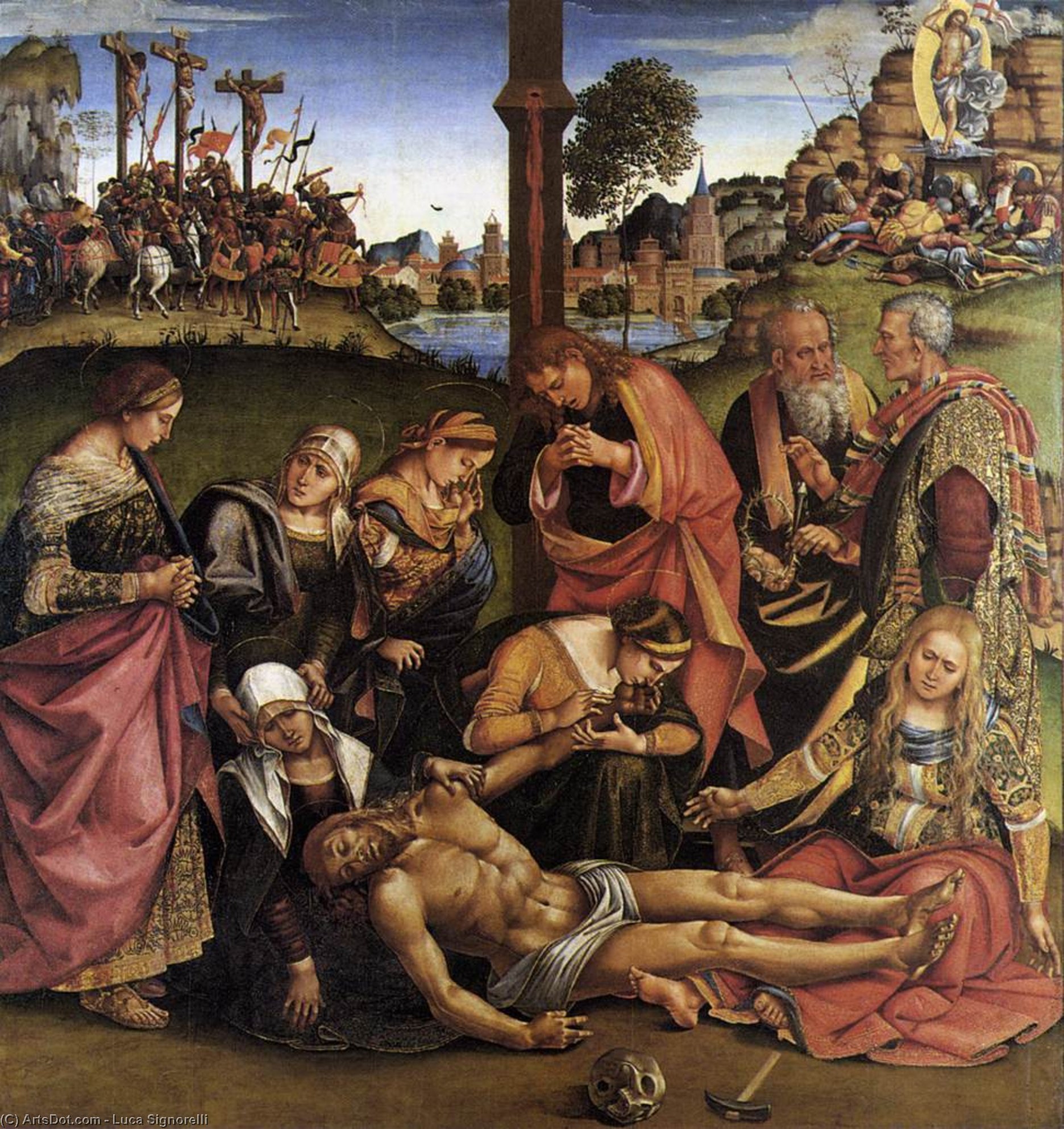
In the quiet sanctity of the Orvieto Cathedral, there exists a window into the profound depths of human suffering and divine grace. Luca Signorelli’s Lamentation over the Dead Christ, painted in 1502, is far more than a mere religious tableau; it is an immersive psychological experience. As one gazes upon the lifeless form of Jesus, the viewer is not merely an observer but a participant in a sacred moment of mourning. The painting captures the heavy, suffocating atmosphere of grief that follows the Crucifixion, rendered with such visceral intensity that the sorrow feels contemporary, transcending the centuries since its creation. For the discerning collector or lover of Renaissance art, this work offers a rare opportunity to possess a piece that speaks to the universal human condition—the intersection of mortality and eternal hope.
The composition is a masterclass in the High Renaissance technique of foreshortening, a skill for which Signorelli was renowned. By expertly manipulating perspective, he creates an illusionistic depth that pulls the mourners—including Mary Magdalene, Nicodemus, and Joseph of Arimathea—into a tangible, three-dimensional space. This technical prowess serves a higher emotional purpose: it brings the viewer face-to-face with the physical reality of death. The meticulous rendering of each figure’s anatomy and the heavy, draped fabrics adds a layer of tactile realism that grounds the spiritual event in the physical world. The use of chiaroscuro—the dramatic interplay of light and shadow—further sculpts the figures, casting deep shadows that mirror the darkness of the soul during times of bereavement.
Symbolism and the Divine Narrative
Beyond its technical brilliance, the painting is a dense tapestry of theological symbolism. Every element within the frame is designed to guide the viewer toward a meditation on redemption. The central figure of Christ, though deceased, remains the focal point of divine compassion; his outstretched hand serves as a silent gesture of mercy reaching toward the grieving Magdalene. This subtle movement suggests that even in the depths of death, the promise of resurrection lingers. In the background, the presence of a horse stands as a somber memento mori, a traditional symbol of the inevability of death and the transient nature of earthly life.
For those looking to integrate such a profound work into a curated interior, the Lamentation over the Dead Christ provides a powerful focal point. Its somber palette and dramatic composition lend themselves beautifully to spaces designed for reflection, such as private libraries, study halls, or formal galleries. A high-quality reproduction of this masterpiece allows the subtle textures of Signorelli’s brushwork and the hauntingly beautiful expressions of the mourners to breathe within a modern setting, offering a constant source of historical inspiration and spiritual contemplation. It is an investment in art that does not merely decorate a wall but enriches the very atmosphere of a home.