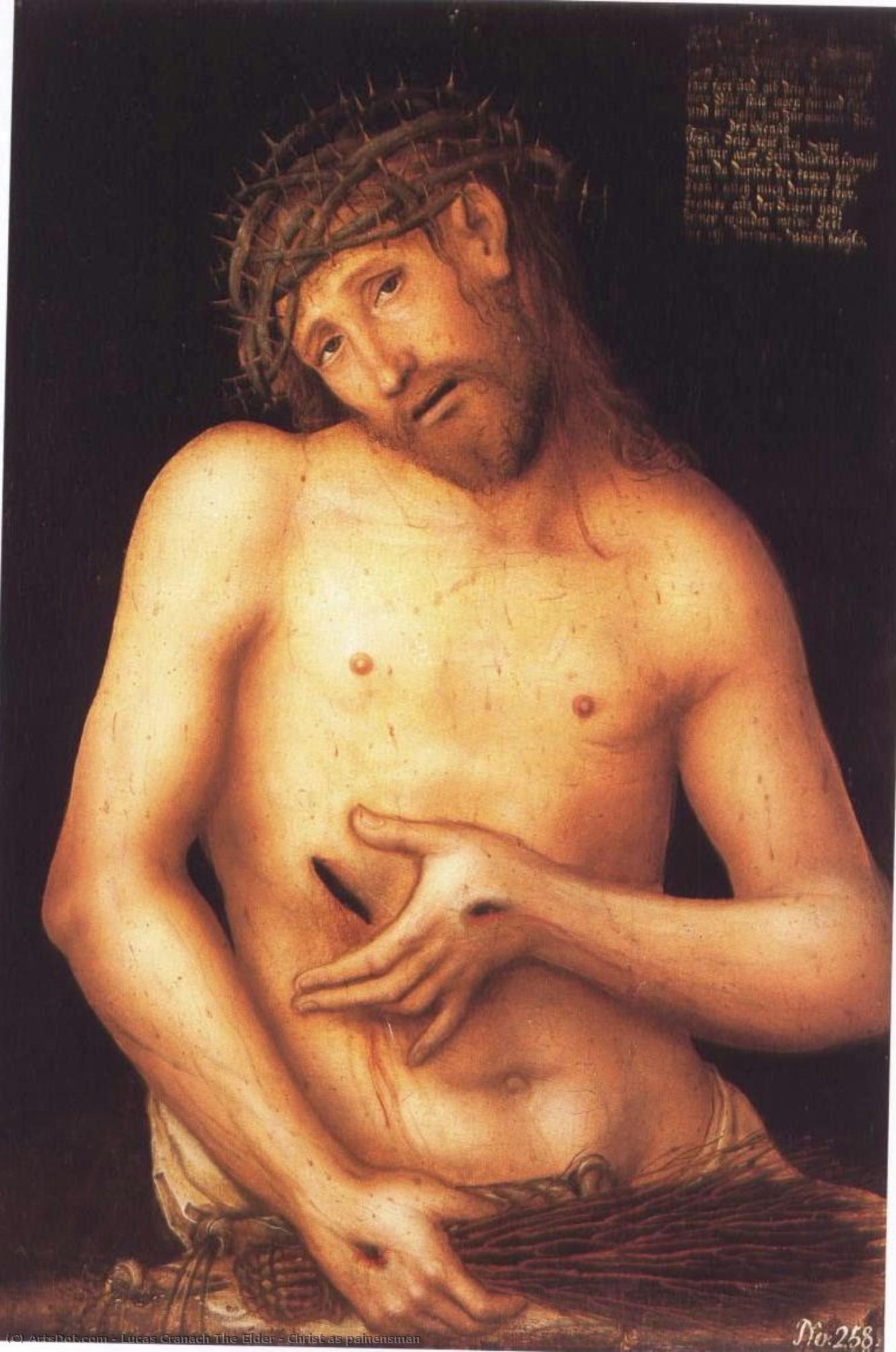
Christ as painensman

Lucas Cranach’s poignant depiction of Christ embodies Renaissance spirituality; the artist's masterful tempera technique captures profound sorrow and contemplation amidst the solemn beauty of 1537 Bremen.


Lucas Cranach the Elder (1472 - 1553)

Explore the captivating world of Lucas Cranach the Elder, a pivotal German Renaissance master known for his portraits, Reformation art, and mythological scenes. Discover his legacy!

Böttcherstraße Museums (Bremen, Germany)

Explore Bremen's Böttcherstraße Museums! Discover Expressionist art, the Paula Modersohn-Becker Museum & unique architecture. 3D tours available. A cultural gem!

A Portrait of Suffering and Artistic Vision

  • Subject Matter The painting depicts Jesus Christ in an arresting pose—his arms outstretched as if enduring immense pain, conveying a profound sense of anguish and vulnerability. This iconic image immediately draws upon centuries of Christian iconography, representing Christ’s sacrifice and embodying the spiritual torment inherent in divine compassion.
  • Style Cranach's masterful execution aligns with the High Renaissance tradition yet possesses a distinctly German character. The artist skillfully blends idealized beauty with unflinching realism, reflecting the humanist spirit of his time while simultaneously grounding the depiction in palpable human emotion.

Technique and Materials

  • Medium Executed in tempera paint on wood panel, “Christ as Painter” exemplifies the favored technique of Northern Renaissance artists. Tempera—a mixture of pigment bound with egg yolk—provided exceptional luminosity and durability, allowing for meticulous detail and vibrant colors.
  • Brushwork Cranach’s brushstrokes are characterized by a deliberate precision and textural richness. He employs layering techniques to build up surfaces gradually, capturing subtle nuances of light and shadow that heighten the dramatic impact of the scene. The artist's attention to anatomical accuracy underscores his commitment to portraying human form with unwavering fidelity.

Historical Context: Reformation and Patronage

  • Religious Significance Created in 1537, during the height of the Protestant Reformation, “Christ as Painter” speaks directly to the theological debates surrounding the role of Christ’s suffering in salvation. The image serves as a powerful visual statement supporting the humanist conviction that God reveals himself through human experience.
  • Royal Patronage Cranach's association with Frederick III solidified his position within Saxony’s elite circles. This patronage enabled him to produce ambitious artworks reflecting the tastes and aspirations of the ruling monarch—a testament to the symbiotic relationship between art and power during the Renaissance.

Symbolism and Emotional Resonance

  • The Crown of Thorns The crown of thorns, a ubiquitous symbol of Christ’s crucifixion, underscores the central theme of suffering. However, Cranach subtly transforms this familiar motif into an emblem of artistic dedication—suggesting that true compassion demands confronting pain and striving for excellence.
  • Expression Beyond its religious symbolism, “Christ as Painter” resonates deeply with viewers on an emotional level. The artist’s portrayal captures the profound sorrow and vulnerability inherent in Christ's posture, inviting contemplation on themes of sacrifice, empathy, and the transformative power of artistic endeavor.

Conclusion: An Enduring Legacy

  • "Christ as Painter" remains a cornerstone of Renaissance art history. Its masterful blend of technique, symbolism, and psychological insight continues to inspire artists and collectors alike. Reproductions offer an opportunity to appreciate Cranach’s genius and immerse oneself in the spirit of a pivotal moment in Western culture.