A Portrait Steeped in Reformation Spirit
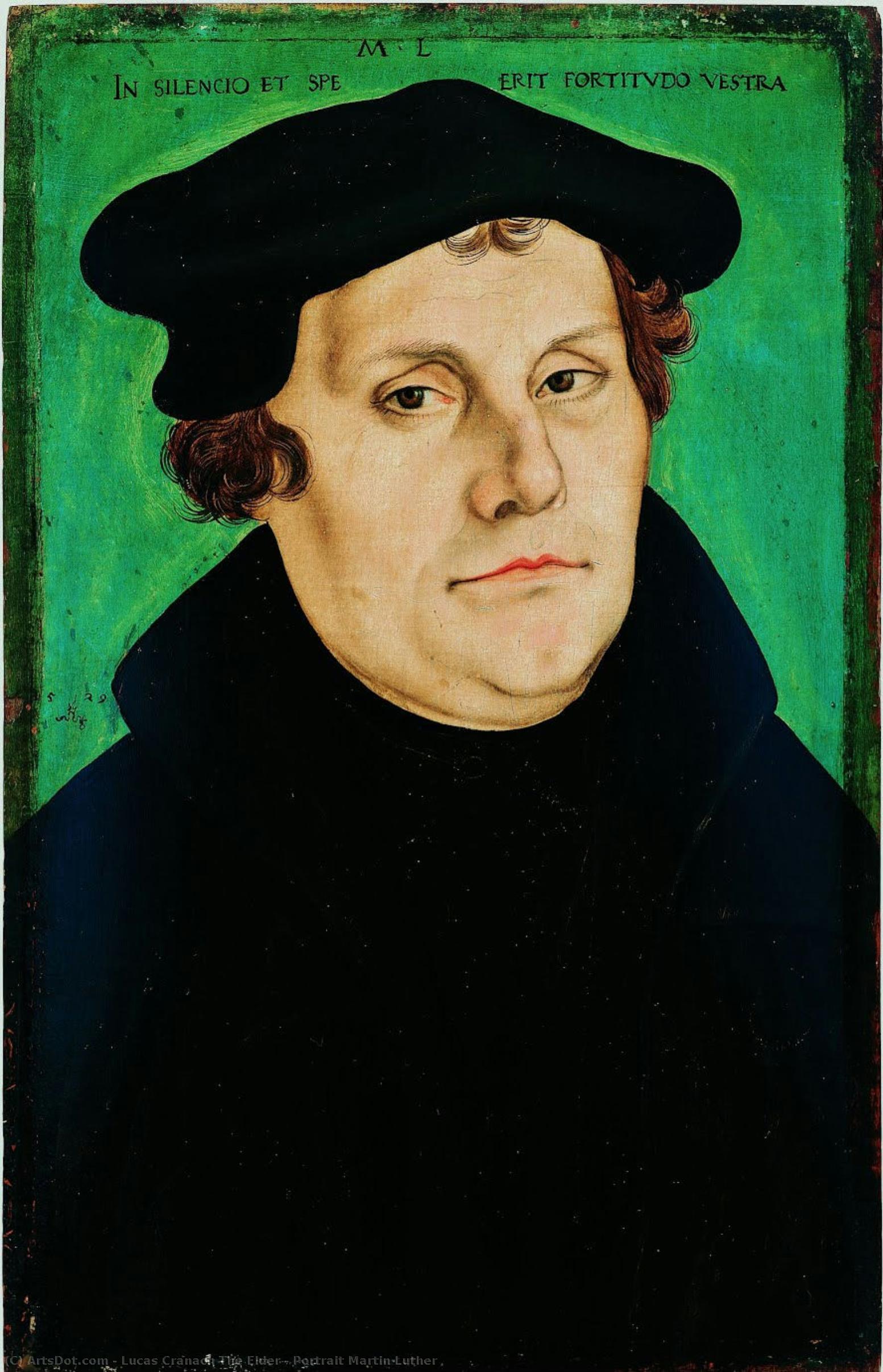
- Subject Matter: This striking portrait depicts Martin Luther, arguably the most influential figure of the Protestant Reformation. Cranach meticulously captured Luther’s likeness, presenting him as a man of unwavering conviction and intellectual prowess – a testament to his enduring legacy.
- Artist's Style: Lucas Cranach the Elder exemplifies the High Renaissance style prevalent in Saxony during his lifetime. His approach blends realism with idealized proportions, reflecting the humanist ideals that underpinned artistic endeavors of the era. The subtle drapery folds and careful rendering of facial features demonstrate Cranach’s mastery of technique.
- Technique: Executed in tempera on a small panel – measuring just 5 x 24 cm – Cranach employed a luminous pigment medium known for its durability and ability to achieve rich, vibrant colors. Tempera painting involved layering pigments mixed with egg yolk, resulting in an image that retains remarkable clarity and detail even centuries later.
- Historical Context: Painted in 1529, the portrait emerged during a period of intense religious fervor as Luther’s challenge to papal authority ignited a seismic transformation across Europe. Cranach skillfully positioned Luther within this turbulent landscape, symbolizing not only Luther's personal conviction but also the broader movement toward spiritual reform.
- Symbolism: The austere attire and solemn gaze of Luther convey a profound seriousness—a deliberate choice by Cranach to portray him as a man dedicated to his faith. The hat symbolizes authority and piety, reinforcing Luther’s role as a leader in reshaping the religious landscape of Europe. Furthermore, the painting serves as a visual record of a pivotal moment in history.
Exploring Cranach's Artistic Vision
Lucas Cranach the Elder wasn’t merely replicating reality; he was crafting an image imbued with humanist ideals and psychological nuance. His meticulous attention to detail—particularly in capturing Luther’s facial expression—reveals a deep understanding of human emotion. This stylistic choice aligns perfectly with the broader Renaissance preoccupation with portraying inner states alongside outward appearances.
The Significance of Tempera Medium
The selection of tempera as the painting medium speaks volumes about Cranach’s artistic sensibilities and the values of his time. Unlike oil paint, tempera dries quickly, allowing for precise layering and blending—characteristics crucial to achieving the subtle gradations of color and tonal variation seen in this portrait. The resulting image possesses an unparalleled luminosity and permanence, ensuring that Luther's likeness will endure for generations to come.
A Reflection of Reformation Ideals
More than just a depiction of a prominent reformer, “Portrait Martin Luther” embodies the spirit of the Protestant Reformation itself. Cranach’s portrayal underscores the importance of intellectual conviction and moral integrity—values championed by Luther as he spearheaded the movement for religious reform. The painting serves as an enduring reminder of this transformative period in European history.