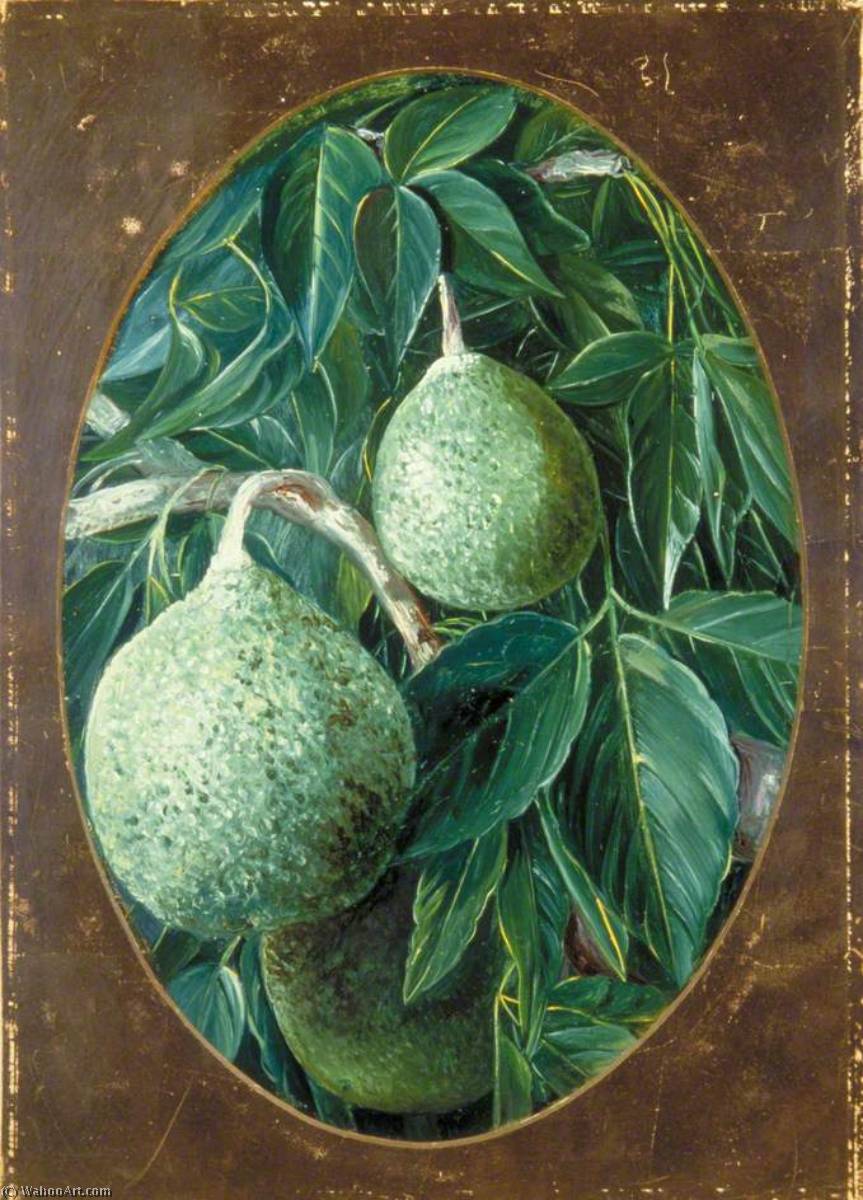
Victorian botanist Marianne North’s stunning watercolor captures the vibrant beauty of bael fruits against lush tropical foliage—a testament to Impressionistic precision and her unwavering dedication to documenting exotic flora.
Discover Marianne North (1830-1890), a Victorian explorer & botanical artist who painted exotic flora worldwide. Her gallery at Kew Gardens showcases over 800 vibrant paintings – a testament to her adventurous spirit!
Discover the captivating world of Victorian botanical artist Marianne North at Kew Gardens! Explore over 800 vibrant paintings from her global travels, showcasing exotic plants and challenging artistic conventions.
A Victorian Explorer's Ode to Tropical Beauty: Marianne North’s “The Bael Fruit”
Marianne North (1830-1890), a woman who defied societal expectations and embraced an extraordinary life dedicated to scientific observation and artistic expression, remains one of the most remarkable figures in Victorian botanical art. Born into privilege in Hastings, England, her early inclinations leaned towards music—a path deemed suitable for women of her era—yet fate intervened with a profound redirection toward capturing the vibrant essence of exotic flora through meticulous watercolor painting. This transformative decision cemented North’s legacy as not merely an artist but also a pioneering botanist who ventured into uncharted territories to document and celebrate the natural world. Her story embodies resilience, independence, and an unwavering passion for scientific discovery—a testament to a spirit unshackled by convention.
The Subject: A Moment Frozen in Time
“The Bael Fruit,” painted circa 1878, depicts two plump bael fruits hanging delicately from the branch of a palm tree against a backdrop of lush green foliage. The bael fruit (Terminalia indica), native to India and Southeast Asia, is revered for its medicinal properties and distinctive spiky exterior—a striking visual element that immediately draws the eye. North’s careful attention to detail captures the subtle nuances of light and shadow, conveying not just the physical appearance of the fruit but also an impression of its vitality and freshness. The artist skillfully renders the textures of the bark, leaves, and ripening fruit, demonstrating a mastery of watercolor technique that elevates the painting beyond mere representation.
Style and Technique: Impressionistic Precision
North’s artistic style aligns closely with Impressionism, albeit tempered by her unwavering commitment to botanical accuracy. Unlike Impressionists who prioritized capturing fleeting moments of light and atmosphere—primarily focusing on optical sensations—North employed a more deliberate approach. She meticulously blended watercolor pigments to achieve tonal gradations that accurately reflect the natural coloration of the subject matter. The layering technique—applying thin washes of color over subsequent layers—creates depth and luminosity, mimicking the way sunlight filters through foliage. This careful blending process ensures that the painting retains both visual beauty and scientific precision.
Historical Context: Victorian Science Meets Artistic Vision
The painting emerged during a period marked by significant advancements in botanical science and fueled by European exploration of distant lands. The Royal Botanic Gardens, Kew—where North served as Curator—were at the forefront of taxonomic research and horticultural experimentation. Artists like Marianne North recognized the importance of documenting these discoveries visually, translating scientific observations into aesthetically compelling artworks. Her work challenged prevailing artistic conventions by prioritizing detailed botanical illustration alongside expressive color palettes—a bold statement that reflected the broader intellectual currents of Victorian Britain.
Symbolism: Beyond Representation – An Expression of Wonder
“The Bael Fruit” transcends mere depiction; it embodies a profound appreciation for the beauty and complexity of the natural world. The bael fruit itself symbolizes fertility, prosperity, and healing—themes prevalent in Hindu mythology and reflecting North’s deep respect for indigenous cultures. More broadly, the painting speaks to the Victorian fascination with exotic landscapes and flora, representing an attempt to capture and preserve the wonders of distant realms before they vanished forever. North's artistic endeavor serves as a poignant reminder that art can illuminate scientific knowledge and inspire awe at the grandeur of creation.
Emotional Impact: Capturing Nature’s Essence
Ultimately, Marianne North’s “The Bael Fruit” succeeds in conveying an overwhelming sense of tranquility and wonder. The artist’s masterful use of color—primarily greens and yellows—creates a harmonious visual experience that evokes feelings of freshness and vitality. The painting invites contemplation on the interconnectedness of life and celebrates the enduring beauty of botanical specimens. It stands as a testament to North's unwavering dedication to artistic exploration and her profound connection with the natural world – an inspiration for anyone seeking solace and beauty in the splendor of tropical flora.