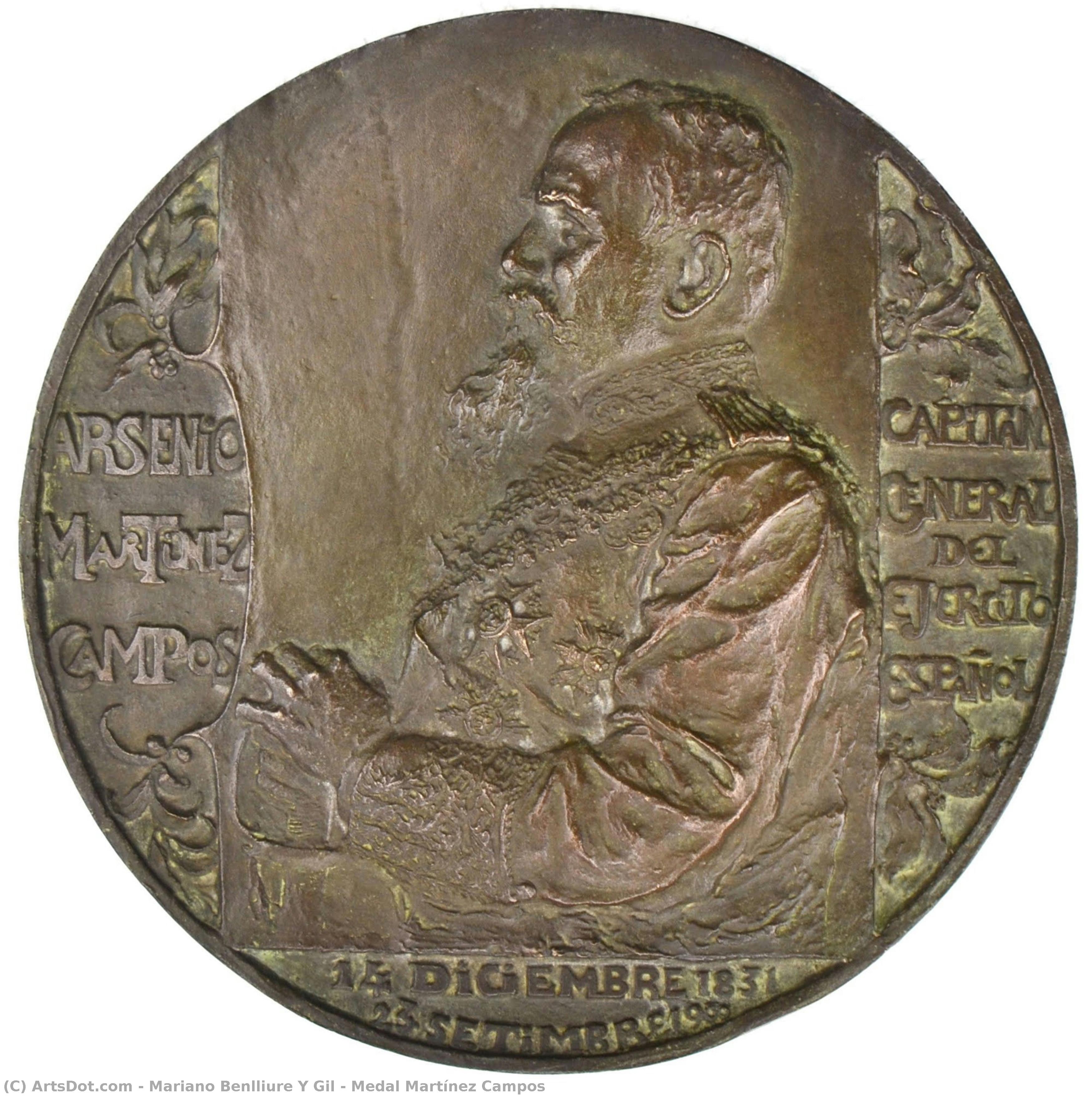
The Legacy of Mariano Benlliure: A Sculptor's Vision for Madrid
Mariano Benlliure y Gil (1862–1947) stands as one of Spain’s most revered sculptors, a figure whose monumental works continue to resonate with the spirit of Madrid and its artistic heritage. Born in Valencia, his early life was marked by familial influence—his father, José Benlliure, was himself a painter—laying the groundwork for a creative trajectory that would ultimately redefine public sculpture in Spain during the Belle Époque. From humble beginnings, he ascended to prominence through unwavering dedication to mastering his craft and an innate ability to capture the essence of human emotion within stone and bronze.
- Early Influences: Benlliure’s formative years coincided with a burgeoning interest in Impressionism and Realism, movements that profoundly shaped his artistic sensibilities. Notably, his encounter with Michelangelo Buonarroti during a trip to Rome ignited an enduring fascination for anatomical precision and expressive dynamism—principles he would diligently incorporate into his subsequent sculptures.
- Bullfighting Inspiration: Benlliure’s initial foray into sculpture centered around the dramatic spectacle of bullfighting, a cornerstone of Spanish culture. He meticulously modeled figures of matadors and bulls in wax, capturing the tension and physicality inherent in this ritualistic combat. These early explorations foreshadowed his signature style—a blend of meticulous observation and emotive portrayal.
- The Pantheon Commission: Perhaps Benlliure’s most enduring achievement is the monumental equestrian statue commemorating José de San Martín, erected in Lima, Peru. This ambitious undertaking demanded unparalleled technical skill and artistic vision, resulting in a masterpiece that embodies heroic grandeur and commemorates a pivotal figure in Latin American independence.
A Style Defined by Detail and Emotion
Benlliure’s sculptural technique distinguishes itself through an unwavering commitment to realism combined with Impressionistic spontaneity. He painstakingly studied anatomy—drawing inspiration from Michelangelo—to achieve unparalleled accuracy in depicting human form, while simultaneously injecting a sense of movement and atmosphere into his compositions. This duality reflects the broader artistic currents of his time, capturing both the tangible reality of his subjects and their psychological depth. His works are characterized by rich textures and subtle nuances of color, achieved through meticulous polishing and layering of bronze—a testament to his mastery of materials and craftsmanship.
- Bronze Casting: Benlliure’s preferred medium was bronze casting, a process he perfected with unwavering dedication. He utilized molds crafted from gypsum and clay, meticulously refining each detail before pouring molten metal into the forms. This painstaking procedure ensured that every surface resonated with luminosity and depth—a hallmark of his sculptural style.
- Monumental Scale: Benlliure’s sculptures are renowned for their imposing scale, reflecting a desire to convey grandeur and commemorate significant historical events. The statue of Alfonso XII in Retiro Park exemplifies this ambition, dominating the plaza with its monumental presence and embodying the regal dignity of Spain's monarchy during the early 20th century.
Symbolism and Emotional Resonance
Beyond mere technical prowess, Benlliure’s sculptures convey profound symbolic meaning—expressions of national pride and artistic idealism. The statue of San Martín embodies the spirit of liberation and heroism, commemorating a champion of independence who united Peru, Bolivia, Chile, and Argentina against Spanish dominion. Similarly, the monument to María Cristina reflects the enduring legacy of Spain's Habsburg monarchy, portraying her as a figure of compassion and dignity—a poignant reminder of Spain’s aristocratic past.
- The Retiro Monument: The statue of Alfonso XII in Retiro Park stands as a symbol of royal authority and national unity—a testament to Benlliure's ability to capture the essence of his subject's character and convey its significance to viewers.
- A Reflection of His Time: Benlliure’s sculptures encapsulate the artistic sensibilities of the Belle Époque, reflecting optimism about progress and a fascination with classical ideals—values that continue to inspire admiration for his enduring contribution to Spanish art history.
Conclusion
Mariano Benlliure y Gil's legacy extends far beyond the bronze statues adorning Madrid’s public spaces; it resides in his unwavering commitment to artistic excellence and his profound understanding of human emotion—qualities that cemented his place as one of Spain’s most influential sculptors. His works serve as enduring reminders of a bygone era, capturing the spirit of heroism and idealism that defined the Belle Époque and continue to captivate audiences today. Reproductions of Benlliure's sculptures offer an opportunity to experience firsthand the beauty and power of his artistic vision—a testament to his enduring contribution to Spanish cultural heritage.