Mariano Fortuny: A Venetian Innovator Shaping Art Deco Elegance
Mariano Fortuny y Marsal (1871-1949) stands as a singular figure in the artistic landscape of the early 20th century, an artist whose multifaceted talents transcended mere painting to encompass fashion design, theatrical lighting, and groundbreaking textile innovation. Born in Reus, Catalonia, Spain, Fortuny’s formative years were steeped in the vibrant colors and textures of Orientalism – a movement that profoundly influenced his artistic vision and fueled his relentless pursuit of inventive techniques.
- Early Life & Inspiration: Fortuny's father, also Mariano Fortuny y Marsal, was a genre painter who tragically passed away when Mariano was just three years old. This loss instilled in him an unwavering determination to honor his father’s legacy and propelled him toward artistic excellence despite immense personal hardship.
- A Synthesis of Disciplines: Fortuny wasn't simply confined to painting; he possessed remarkable skills in photography, sculpting, architecture, etching, and theatrical stage lighting – demonstrating a rare breadth of creative exploration that would define his career.
His artistic breakthroughs began with the development of the “Fortuny Cyclorama Dome,” a revolutionary architectural innovation that utilized indirect lighting to create seamless transitions between scenes during theatrical productions. This ingenious device cemented Fortuny’s reputation as an inventor and solidified his contribution to the advancement of stagecraft.
Technique & Style: Fortuny's artistic style is characterized by meticulous detail, masterful blending of colors, and a distinctive approach to capturing light—elements that are particularly evident in his paintings. He favored tempera on paper, achieving luminous effects through layering pigments and employing glazing techniques to build up depth and richness.
Symbolism & Emotional Impact: Fortuny’s artistic output consistently explored themes of exotic landscapes, mythological narratives, and idealized beauty—reflecting the fascination with Orientalism prevalent during his time. His works evoke a sense of serenity, grandeur, and contemplation, inviting viewers to immerse themselves in worlds far removed from everyday life.
Historical Context: Fortuny’s artistic endeavors flourished amidst the burgeoning Art Deco movement, where he embraced geometric forms and luxurious materials—a testament to his ability to adapt to evolving aesthetic sensibilities. His influence extended beyond visual arts into fashion, where he created the iconic Delphos gown – a masterpiece of draped fabric and sculptural elegance that epitomized the glamour and sophistication of the era.
Legacy: Mariano Fortuny’s enduring legacy resides not only in his artistic achievements but also in his pioneering spirit—a refusal to accept conventional boundaries and an unwavering commitment to pushing the limits of creative expression. Today, reproductions of his paintings continue to inspire collectors and interior designers alike, ensuring that Fortuny's vision persists as a beacon of beauty and innovation.
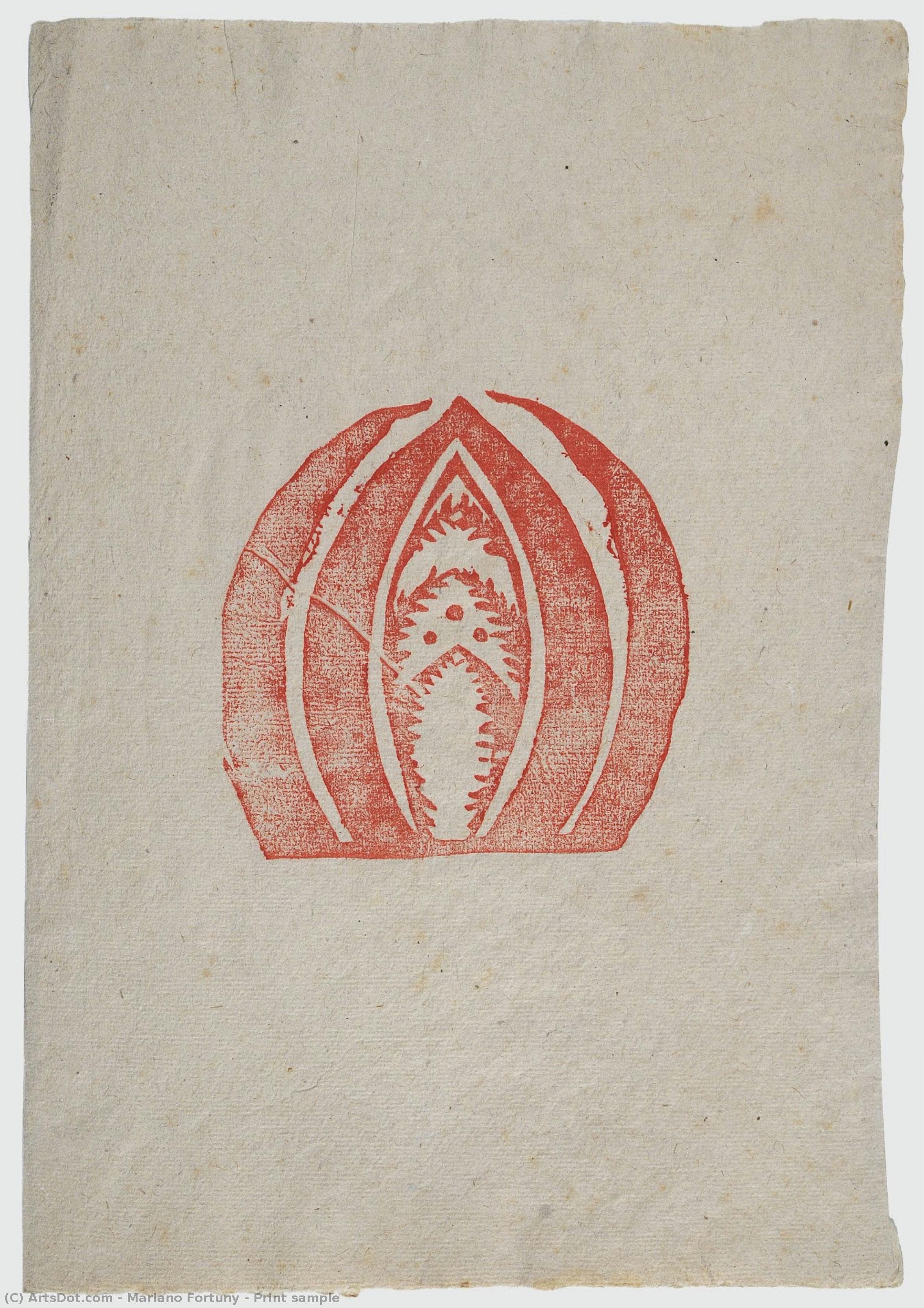
- Notable Works: Among Fortuny’s celebrated masterpieces are “Print sample,” depicting a stylized umbrella motif—a symbol of protection and resilience—and “The Poet,” capturing the contemplative gaze of a figure bathed in ethereal light.
- Influence on Art Deco: Fortuny's innovative use of fabric and lighting profoundly impacted the Art Deco aesthetic, establishing him as one of its foremost champions.
His contribution to art history is undeniable—a testament to his genius and a reminder that true artistry transcends time, captivating audiences with its beauty and conveying timeless messages about human experience.