A Sacred Glimpse into Northern Renaissance Devotion
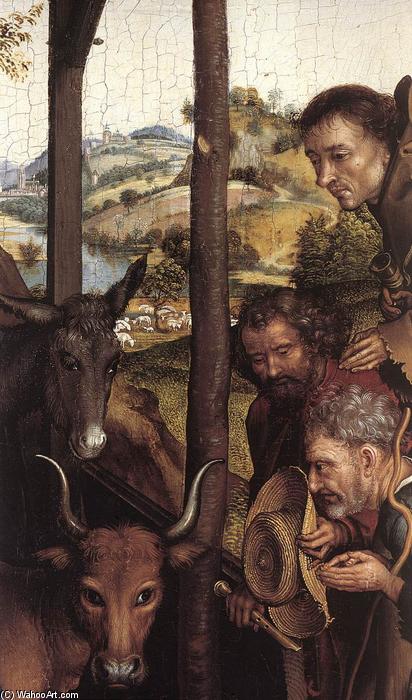
In the quiet intimacy of Martin Schongauer’s Nativity (detail), we are invited to step back into the late 15th century, a period where the boundaries between the earthly and the divine were rendered with breathtaking clarity. This exquisite fragment, part of a larger masterpiece currently held in the British Museum, serves as more than just a religious illustration; it is a window into the soul of the Northern Renaissance. As we gaze upon the kneeling Virgin Mary beside the Christ Child, we feel the profound stillness of that holy night. Schongauer, an artist whose name was whispered with reverence by contemporaries like Albrecht Dürer, captures a moment of serene solemnity that transcends time, offering a meditative experience for any viewer fortunate enough to encounter its delicate beauty.
The technical mastery displayed in this work is nothing short of extraordinary. Executed on a durable oak panel—a hallmark of the era’s enduring craftsmanship—the painting reveals Schongauer’s ability to manipulate light and texture through the meticulous layering of thin oil glazes. One cannot help but be captivated by the tactile realism: the rough, organic weave of the blankets, the dry prickle of the straw within the manger, and the soft, luminous skin of the infant Jesus. By subtly flattening the landscape in the background, Schongauer directs our gaze inward, toward the central figures, creating a sense of depth that pulls the observer into this intimate tableau. The play of light and shadow does not merely illuminate the scene; it breathes life into the textures, heightening the drama while maintaining an atmosphere of peaceful reverence.
Symbolism and the Language of Faith
Every element within this composition is steeped in a rich tapestry of medieval symbolism, designed to guide the faithful through layers of spiritual meaning. The presence of the oxen flanking the manger is not merely a pastoral detail; these animals serve as potent symbols of fertility, strength, and the enduring provision of God for humanity. As shepherds approach from the periphery, their very presence embodies the virtues of humility and piety, representing the common folk who were the first to recognize the divine presence in the lowliest of settings. This interplay between the humble landscape and the profound theological truths creates a narrative that is both accessible to the layperson and intellectually stimulating for the scholar.
For the discerning collector or interior designer, this piece offers an unparalleled opportunity to introduce a sense of historical weight and spiritual tranquility into a space. A high-quality reproduction of this detail allows the soft, muted tones and the intricate Gothic aesthetic to harmonize with sophisticated modern interiors, providing a focal point that encourages reflection. It is a work that does not shout for attention but rather commands it through its quiet, persistent grace. To possess such an image is to hold a piece of the Northern Renaissance's enduring legacy—a testament to a time when art was the ultimate bridge between the human heart and the heavens.