Explore the life & art of Mary Cassatt, a pivotal American Impressionist renowned for intimate portrayals of women & children. Discover her unique style & legacy.
Explore The Metropolitan Museum of Art: 5,000 years of art from around the world! Discover masterpieces, ancient artifacts & immersive exhibitions – a global art destination awaits.
A Moment of Quiet Domestic Bliss: Exploring Mary Cassatt’s Young Mother
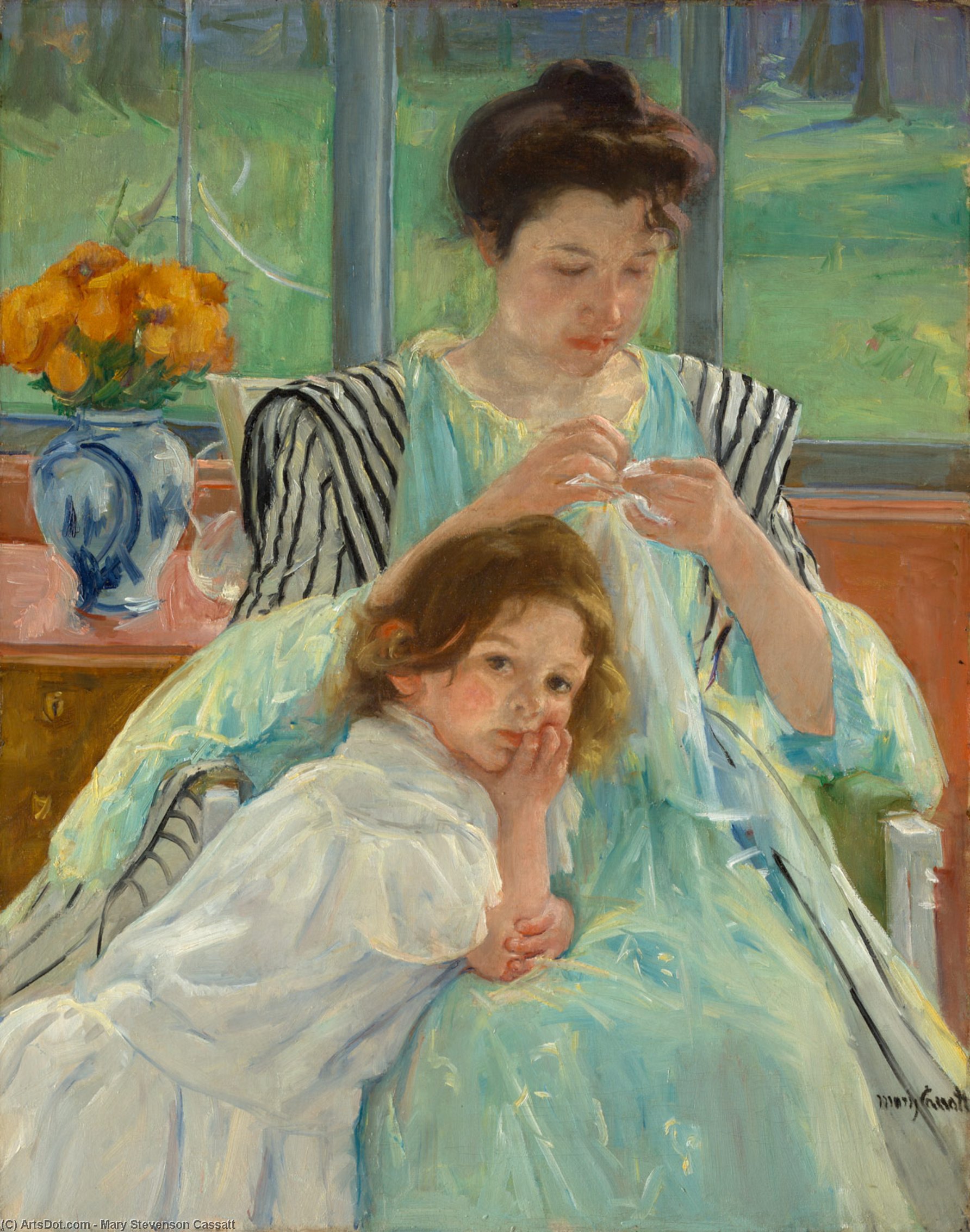
Mary Stevenson Cassatt's "Young Mother," painted in 1900, transcends mere depiction; it embodies the very essence of Impressionist philosophy – capturing fleeting instants of everyday life with remarkable sensitivity and luminous color. Currently residing within the hallowed halls of The Metropolitan Museum of Art in New York City, this oil on canvas masterpiece continues to resonate with audiences captivated by its serene portrayal of maternal tenderness.
The Style and Technique of Impressionism
Cassatt’s approach aligns perfectly with the tenets of Impressionism, spearheaded by artists like Claude Monet and Pierre-Auguste Renoir. Rather than striving for photographic realism, Cassatt prioritized conveying atmosphere and emotion through broken brushstrokes—a technique meticulously employed to render light and shadow in a way that mimics how they appear to the human eye. Notice the subtle layering of pigments, creating an illusion of depth and texture that invites contemplation. The artist skillfully utilizes tonal variations to sculpt form, emphasizing the contours of the woman’s body and the child's lap while simultaneously diffusing harshness with soft washes of color.
Historical Context: A Reflection of Changing Societal Norms
Painted during a period of significant social upheaval—the burgeoning feminist movement challenging traditional gender roles—"Young Mother" speaks volumes about the evolving understanding of womanhood in the early 20th century. Cassatt herself was a trailblazer, fiercely advocating for artistic freedom and portraying women not merely as decorative objects but as active participants in domestic life. The painting subtly critiques societal expectations by presenting motherhood as an act of profound connection and creativity—a space where nurturing care intertwines with intellectual pursuits like knitting.
Symbolism Within the Composition
Beyond its aesthetic beauty, "Young Mother" is laden with symbolic significance. The two vases on the table represent elegance and refinement, yet they also serve as a visual anchor, grounding the scene in a tangible reality. The potted plant symbolizes growth and vitality—a metaphor for the blossoming life of motherhood and the enduring bond between mother and child. Furthermore, Cassatt’s deliberate framing emphasizes intimacy, drawing the viewer into this quiet tableau where vulnerability and compassion prevail.
Emotional Resonance: Capturing the Essence of Maternal Love
Ultimately, "Young Mother" succeeds in conveying a powerful emotional resonance—a palpable sense of warmth, tenderness, and unconditional affection. The woman's gaze is directed inward, reflecting her focused attention on caring for her child, while her posture exudes comfort and reassurance. Cassatt’s masterful use of light enhances this feeling of serenity, illuminating the faces of the figures and casting a gentle glow upon the surrounding space. It’s a painting that invites us to pause, appreciate the beauty of simple moments, and contemplate the profound significance of maternal love—a timeless theme explored with unparalleled grace and artistry by Mary Cassatt.